
×
Remove product
Remove item from cart?

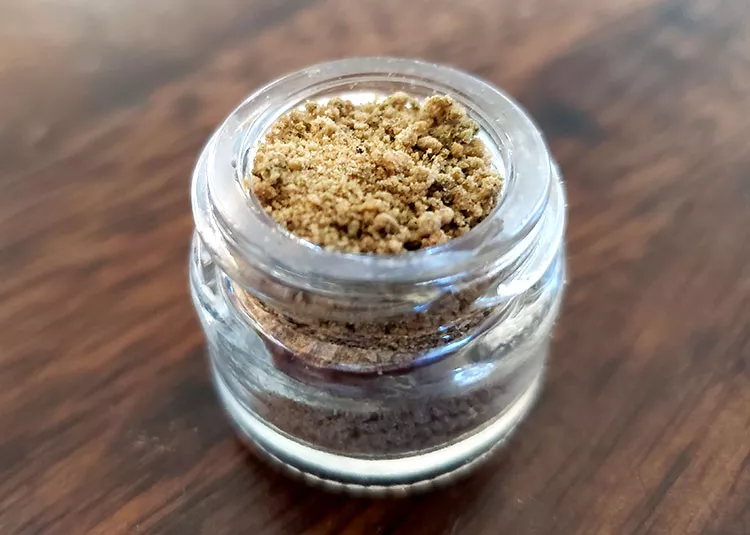
Ice water hash represents one of the purest forms of cannabis concentrate, utilizing only ice, water, and agitation to separate trichome heads from plant material without any chemical solvents. This mechanical separation method preserves the full spectrum of cannabinoids and terpenes while producing a product that ranges from blonde to dark brown depending on quality and processing techniques. The simplicity of using temperature and physical agitation to create high-quality concentrates appeals to purists and health-conscious consumers who prefer solventless extracts, making ice water hash a cornerstone of the craft cannabis movement and a benchmark for quality in legal markets.
The technique’s origins trace back to traditional hash-making methods from regions like Morocco and Afghanistan, modernized with contemporary understanding of trichome biology and precise filtration systems. By exploiting the fact that trichome heads become brittle when frozen and have different densities than plant material, ice water extraction creates remarkably clean separations yielding products that can achieve 50-80% total cannabinoid content. The process’s scalability from home bucket systems to commercial washing machines has democratized access to premium concentrate production, though mastering the technique requires understanding multiple variables including water temperature, agitation intensity, and material preparation.
Modern ice water hash occupies a unique position in cannabis markets, commanding premium prices especially when achieving “full melt” quality that vaporizes completely without leaving residue. The rise of fresh-frozen starting material, where plants are frozen immediately after harvest to preserve monoterpenes typically lost during drying, has elevated ice water hash to new quality levels previously unattainable. This evolution reflects broader trends toward terpene preservation and full-spectrum effects, with ice water hash serving as both a finished product and the starting material for solventless rosin production, creating vertically integrated solventless product lines appealing to discerning consumers.
Material preparation fundamentally determines ice water hash quality, with decisions about fresh-frozen versus dried material, trim versus whole flower, and cultivation practices all impacting final results. Fresh-frozen material preserves volatile monoterpenes lost during traditional drying, creating “live” hash products with exceptional flavor profiles commanding premium prices. However, fresh-frozen processing requires careful coordination between harvest and extraction, plus significant freezer capacity. Dried material offers logistical advantages and can produce excellent results when properly cured, with some terpene profiles actually benefiting from the curing process. Whole flower yields the highest quality but represents significant opportunity cost, while sugar trim provides economical starting material still capable of producing high-grade hash.
Washing techniques vary from gentle hand-stirring in buckets to automated machines providing consistent agitation cycles, with each method offering distinct advantages. Hand-washing allows precise control and immediate response to visual cues but limits batch sizes and introduces variability. Machine washing enables larger batches with consistent results but requires understanding how different machines affect trichome preservation. Water quality proves critical, with reverse osmosis water preventing mineral contamination that affects flavor and melt quality. Temperature maintenance between 32-35°F throughout washing prevents premature trichome membrane rupture while ensuring sufficient brittleness for separation. Multiple washes extract different quality grades, with first washes typically yielding the finest quality.
Filtration and collection through graduated mesh bags represents the critical quality separation stage, with different micron sizes capturing various grades of trichomes and contaminants. The standard bag set includes 220, 190, 160, 120, 90, 73, 45, and 25-micron sizes, though many producers focus on the 73-120 micron range for highest quality. Understanding that different cultivars produce different sized trichome heads helps optimize bag selection. The 160-micron bag primarily catches plant material and immature trichomes, while the 45-73 micron range often contains the highest concentration of mature trichome heads. Proper drainage technique prevents cross-contamination between grades, while careful collection using cold tools preserves trichome integrity for subsequent processing.
Visual assessment of ice water hash quality relies on color, consistency, and microscopic examination to determine grade and appropriate pricing. First-quality hash displays light blonde to golden colors indicating minimal plant contamination and optimal trichome preservation. Darker colors suggest oxidation, plant material contamination, or overworking during extraction. Consistency when pressed between fingers reveals quality, with high-grade hash forming a cohesive mass that can be rolled into temple balls, while lower grades remain granular. Microscopic examination at 60-100x magnification reveals intact trichome heads versus broken stalks and debris, with premium grades showing 80%+ intact heads. The clarity of individual trichomes indicates freshness and proper handling throughout processing.
Melt classifications standardize quality communication in ice water hash markets, ranging from cooking grade to six-star full melt designations. Full melt hash vaporizes completely on a nail or banger without leaving residue, indicating exceptional purity with minimal plant contaminants. Five-star hash leaves slight residue but still provides exceptional dabbing experiences. Three to four-star grades work well for bowl topping or pressing into rosin but leave too much residue for dabbing. Cooking grade hash contains significant plant material suitable only for edibles or further processing. These classifications help set price expectations and guide appropriate consumption methods, though subjective assessment means ratings can vary between producers.
Laboratory testing provides objective quality metrics complementing visual and melt assessments, with cannabinoid potency, terpene profiles, and contamination screening ensuring safety and validating premium pricing. High-quality ice water hash typically tests between 50-80% total cannabinoids, with exceptional examples exceeding 80%. Terpene content in live hash can reach 8-15%, significantly higher than dried starting material. Residual moisture content below 10% prevents mold while maintaining proper texture. Microbial testing becomes especially critical given water’s potential for harboring pathogens. Heavy metals and pesticide testing ensure cultivation quality carried through to concentrates. These analytical results support premium pricing and provide quality assurance for medical patients.
Freeze drying technology has revolutionized ice water hash production by removing moisture while preserving trichome structure and preventing oxidation during the critical drying phase. Traditional air drying over screens in cold rooms takes 7-14 days and risks oxidation affecting color and terpene content. Freeze drying completes in 24-48 hours while maintaining temperatures below freezing, sublimating water directly from ice to vapor without liquid phase that can burst trichome membranes. Proper freeze-drying protocols involve gradual temperature ramping and pressure control preventing over-drying that makes hash crumbly. The investment in freeze-drying equipment pays dividends through improved quality, reduced processing time, and lower contamination risk.
Microplaning techniques for breaking up freeze-dried hash patties into uniform granules ready for packaging or pressing require proper tools and timing to prevent quality degradation. Frozen microplaning immediately after freeze drying prevents oxidation and maintains light colors, with cold metal tools and surfaces essential for preventing trichome rupture from heat. The uniform particle size achieved through microplaning ensures consistent melting and optimal surface area for terpene expression. Some producers skip microplaning for premium full-melt grades, maintaining patty form to minimize handling. Others argue microplaning improves curing by increasing surface area exposure. Understanding when and how to microplane represents crucial processing knowledge distinguishing amateur from professional operations.
Cold curing and storage protocols preserve and potentially enhance ice water hash quality through controlled environmental conditions promoting terpene evolution without degradation. Short-term cold curing at 35-45°F for 1-4 weeks allows moisture equilibration and terpene development, with some producers reporting flavor improvements similar to wine aging. Long-term storage requires even colder temperatures near freezing, with vacuum-sealed containers preventing oxidation. Some premium producers age hash for months, developing complex flavor profiles commanding ultra-premium prices. Proper storage containers using non-reactive materials like glass or food-grade stainless steel prevent terpene absorption. Documentation of storage conditions and duration adds value for collectors and connoisseurs appreciating aged hash products.
Direct consumption methods for ice water hash vary by quality grade, with full-melt products suited for dabbing while lower grades excel in traditional consumption methods. Premium full-melt hash provides exceptional dabbing experiences at low temperatures (450-550°F) preserving terpenes while achieving complete vaporization. Half-melt grades work well as bowl toppers or mixed with flower in joints, enhancing potency and flavor without the residue issues of dabbing. Traditional hash consumption methods like hot knife hits or hash pipes suit all grades, connecting modern products to historical consumption culture. The versatility of ice water hash across consumption methods broadens market appeal beyond dedicated concentrate users.
Rosin production from ice water hash yields the highest quality solventless oils available, with hash rosin commanding significant premiums over flower rosin in discerning markets. Starting with high-quality hash eliminates plant material that contributes to darker colors and vegetable flavors in flower rosin. Hash rosin typically yields 60-85% returns when pressing quality starting material, producing light-colored oils with exceptional clarity. Lower temperatures (160-190°F) and shorter press times preserve terpenes while achieving good yields. The combination of ice water hash production followed by rosin pressing represents the pinnacle of solventless extraction, creating products that can exceed $100/gram retail. This vertical integration allows producers to capture maximum value from premium starting material.
Value-added products incorporating ice water hash expand market opportunities beyond traditional concentrate consumers to edibles, topicals, and infused pre-rolls. Water-soluble hash preparations enable beverage applications with rapid onset and predictable effects. Hash-infused pre-rolls command premium prices by combining traditional flower consumption with concentrate enhancement. Luxury edibles featuring single-source hash appeal to gourmet cannabis markets. Topical applications leverage hash’s concentrated cannabinoid content for targeted relief products. The versatility of ice water hash as an ingredient rather than just a finished product creates multiple revenue streams from single production runs. Understanding these diverse applications helps producers maximize value from each quality grade.

