
×
Remove product
Remove item from cart?

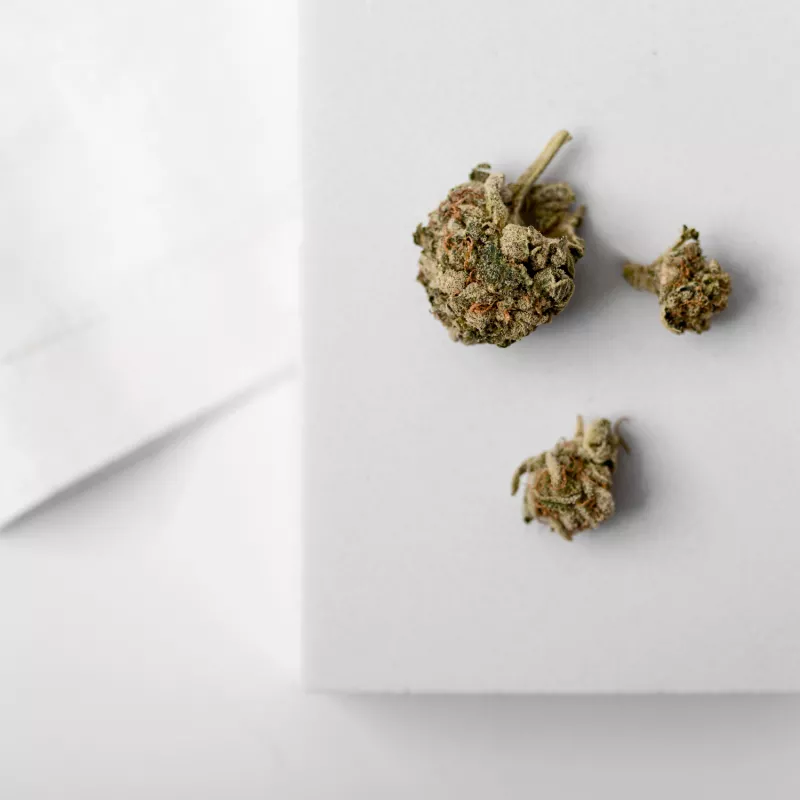
Ganja stands as one of the most culturally significant terms for cannabis, carrying deep spiritual and social meanings that transcend simple slang to embody entire belief systems and cultural identities. Derived from the Sanskrit word “gañjā” meaning hemp, this ancient term traveled through centuries and continents, accumulating layers of meaning that reflect cannabis’s role in human civilization. Unlike clinical terms or street slang, ganja carries reverence and respect, particularly within Rastafarian culture where it represents a sacred herb facilitating communion with Jah (God) rather than mere recreational substance. This linguistic heritage connects modern cannabis culture to ancient spiritual traditions, demonstrating how language shapes perception and use patterns of this controversial plant.
The word’s journey from ancient India through colonial trade routes to Caribbean islands illustrates how cannabis culture spreads through human migration and cultural exchange, with language serving as a vessel for transmitted knowledge and practices. Indian indentured workers brought ganja terminology and consumption practices to Caribbean colonies in the 19th century, where it merged with African spiritual traditions and local customs to create unique cultural expressions. This linguistic migration parallels the plant’s physical spread, with terminology preserving cultural practices and spiritual associations that might otherwise be lost. The persistence of “ganja” across diverse cultures demonstrates language’s power to maintain cultural continuity despite geographic displacement and social upheaval.
Contemporary usage of ganja reflects evolving attitudes toward cannabis as legalization and cultural acceptance expand globally, with the term gaining mainstream recognition while retaining subcultural authenticity. Music, particularly reggae and hip-hop, popularized ganja terminology beyond traditional communities, spreading Rastafarian philosophy and cannabis-positive messages worldwide. Modern dispensaries and brands increasingly embrace ganja terminology, recognizing its cultural cachet and positive associations compared to more clinical or slang alternatives. This linguistic evolution from sacred terminology to commercial branding illustrates how cannabis language adapts to changing social contexts while preserving historical connections that authenticate contemporary cannabis culture.
Sanskrit roots of ganja reveal ancient Indian relationships with cannabis extending back millennia through religious texts, medical traditions, and social customs. The Atharvaveda, composed around 1500 BCE, mentions cannabis among sacred plants, establishing spiritual associations persisting through Hindu and Buddhist traditions. Ayurvedic medicine incorporated ganja for treating various ailments from pain to digestive issues, recognizing both therapeutic benefits and consciousness-altering properties. Sadhus (holy men) traditionally consumed ganja to facilitate meditation and spiritual insights, creating cultural frameworks viewing cannabis as divine gift rather than dangerous drug. These ancient associations embedded positive connotations into the terminology itself, influencing how subsequent cultures interpreted and integrated ganja practices.
Colonial transmission of ganja culture occurred through complex networks of trade, labor migration, and cultural suppression that inadvertently preserved and spread traditional practices. British colonial authorities initially tolerated ganja use among Indian laborers in Caribbean colonies, viewing it as harmless cultural practice maintaining worker satisfaction. The 1893 Indian Hemp Drugs Commission conducted extensive research on ganja, producing remarkably balanced findings about moderate use benefits despite colonial tendency toward prohibition. Indentured servants maintained ganja cultivation and preparation techniques, adapting practices to new environments while preserving essential cultural elements. This colonial period created unique hybrid cultures where Indian ganja traditions merged with African and indigenous Caribbean practices, forming new syncretic spiritual and social frameworks.
Rastafarian adoption of ganja elevated the term from cultural practice to religious sacrament, transforming Sanskrit terminology into cornerstone of modern spiritual movement. Rastafari theology interprets biblical passages as endorsing herb use, with ganja facilitating reasoning sessions where communities discuss spiritual and social issues. The belief that ganja opens mind to divine truth while healing body from Babylon’s (oppressive society’s) poisons gives consumption ritual significance beyond recreation. Linguistic choices matter deeply in Rastafarian discourse, with “ganja” preferred over colonial terms like “marijuana” imposed by oppressive authorities. This conscious terminology selection demonstrates how marginalized communities use language to assert cultural autonomy and resist dominant narratives about cannabis.
Musical evangelism through reggae music served as primary vector spreading ganja terminology and associated cultural values globally during the 1970s and beyond. Bob Marley’s international success brought Rastafarian philosophy and ganja advocacy to worldwide audiences, embedding the term in global consciousness through powerful lyrics and charismatic presentation. Songs celebrating ganja’s spiritual and healing properties challenged prohibitionist propaganda while offering alternative narratives about cannabis benefits. Peter Tosh’s aggressive advocacy including “Legalize It” made explicit political demands using ganja terminology to assert cultural rights. This musical movement created international solidarity among cannabis users who adopted Jamaican terminology and cultural frameworks even without direct Caribbean connections.
Countercultural adoption across Western societies during the 1960s-70s embraced ganja terminology as marker of authenticity and political resistance against establishment values. Hippie travelers to India returned with ganja terminology and associated spiritual practices, spreading Eastern cannabis traditions through Western countercultures. Underground publications and head shops popularized ganja terminology alongside paraphernalia and cultivation information. College campuses became transmission nodes where ganja terminology signified sophisticated cannabis knowledge and cultural awareness beyond simple “pot” smoking. This adoption pattern demonstrates how marginalized terminology can gain cultural capital through association with authenticity and resistance movements.
Digital age proliferation accelerated ganja terminology’s spread through internet forums, social media, and global cannabis communities transcending geographic boundaries. Online spaces allow direct cultural transmission between Jamaican communities and global audiences interested in authentic ganja culture. Streaming platforms spread reggae and dancehall music featuring ganja references to new generations discovering cannabis culture. Cannabis influencers adopt ganja terminology to signal cultural knowledge and respect for traditional practices. Hashtag activism using #ganja connects global legalization movements while honoring terminology’s cultural origins. This digital spread maintains surprising fidelity to original meanings while adapting to contemporary contexts.
Commercial appropriation of ganja terminology by legal cannabis businesses raises complex questions about cultural authenticity and respectful usage of traditionally marginalized language. Dispensaries named “Ganja Garden” or products labeled “Ganja Gold” attempt capturing cultural cachet while potentially divorcing terminology from spiritual and political contexts. Some businesses partner with Rastafarian communities or Caribbean cultivators, attempting authentic connections beyond surface appropriation. Marketing strategies using ganja terminology must navigate between cultural appreciation and exploitation, particularly when profits flow to communities historically excluded from legal markets. Consumer responses vary between appreciation for cultural recognition and criticism of commercialization, reflecting broader tensions in cannabis industry development.
Educational contexts increasingly recognize ganja as legitimate terminology deserving scholarly attention rather than dismissal as mere slang or foreign word. Academic courses on cannabis history include modules on ganja’s cultural significance and linguistic evolution. Museums developing cannabis exhibitions grapple with presenting ganja culture respectfully while educating diverse audiences. Medical professionals working with Caribbean or South Asian patients benefit from understanding ganja terminology and associated cultural beliefs about cannabis medicine. This educational integration validates marginalized knowledge systems while promoting cultural competency in professional contexts. Proper contextualization helps audiences understand ganja represents worldviews not just alternative terminology.
Social media dynamics around ganja terminology reveal generational and cultural negotiations over appropriate usage and cultural ownership of cannabis language. Young cannabis users freely adopt ganja terminology learned through music and media, sometimes without understanding cultural depths. Rastafarian and Caribbean voices on social media educate about respectful usage while calling out cultural appropriation. Influencer culture creates new contexts where ganja terminology gains fresh meanings potentially disconnected from origins. Platform policies around cannabis content affect how ganja terminology spreads or faces suppression online. These digital negotiations demonstrate living languages evolve through usage while communities struggle maintaining semantic integrity.
Semantic shifts in ganja meaning reflect broader cannabis normalization as terminology moves from subcultural identifier to mainstream vocabulary. Original Sanskrit meanings emphasized hemp fiber and medicinal preparations rather than psychoactive properties exclusively. Rastafarian usage added layers of spiritual significance absent from original Indian contexts. Contemporary usage spans from casual recreational reference to brand names, demonstrating semantic broadening typical of culturally mobile terms. Regional variations develop as ganja enters local slang systems acquiring new connotations and combinations. Dictionary inclusion debates reflect tensions between descriptive documentation and prescriptive language policing. These semantic evolutions show how living languages adapt terminology to contemporary needs while maintaining historical threads.
Code-switching practices around ganja usage demonstrate sophisticated linguistic competence as speakers navigate different social contexts requiring varied cannabis vocabularies. Professional contexts may require “cannabis” while cultural settings welcome “ganja” as authentic expression. Musicians and artists strategically deploy ganja terminology for cultural credibility or political statement. Legal proceedings create interesting dynamics where defendants’ ganja terminology meets judicial cannabis vocabulary. Educational settings see students code-switching between academic cannabis discourse and cultural ganja references. These practices reveal how multilingual competence extends beyond traditional language boundaries to include subcultural vocabularies.
Future terminology trends suggest ganja will continue evolving as cannabis legalization expands and cultural mixing accelerates through global digital connections. Hybrid terms combining ganja with local language elements create new regional variants maintaining cultural connections while establishing local identity. Corporate branding strategies will likely continue appropriating and transforming ganja terminology for commercial purposes. Youth language innovation may preserve ganja as heritage term while creating new terminology for emerging cannabis products and practices. Academic and medical acceptance of traditional terminology could validate indigenous knowledge systems using ganja frameworks. These evolutionary pressures ensure ganja remains dynamic terminology adapting to serve new generations while honoring ancient roots.

