
×
Remove product
Remove item from cart?

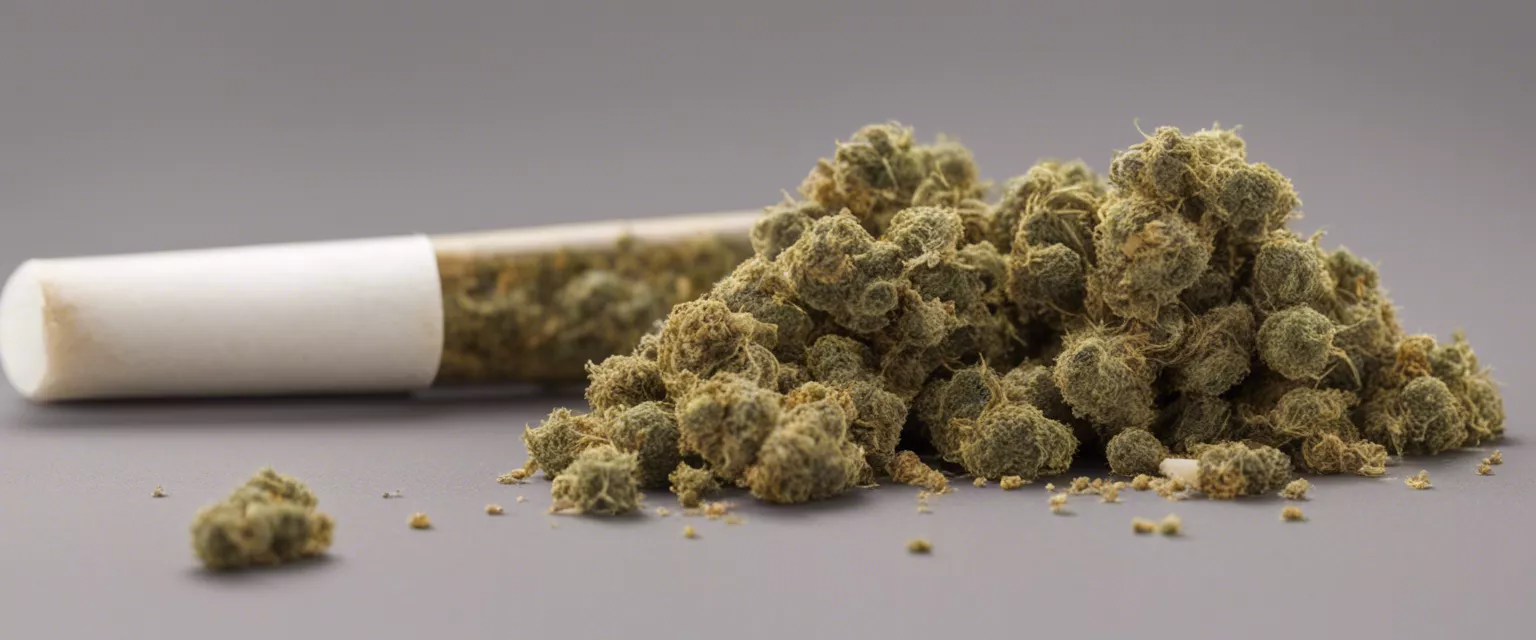
A fatty in cannabis culture refers to an oversized joint or blunt rolled with significantly more cannabis than standard personal consumption sizes, typically containing anywhere from 2 to 7 grams or more of flower. This term emerged from the descriptive nature of these enlarged rolls that appear notably thicker and longer than regular joints, resembling their “fat” nickname. The cultural significance of fatties extends beyond mere consumption quantity to represent celebration, generosity, and communal sharing within cannabis communities, where rolling and sharing a fatty marks special occasions or demonstrates social bonding.
The art of rolling a proper fatty requires advanced technique and quality materials, as standard rolling papers often prove inadequate for the increased cannabis volume and structural demands. Experienced rollers might use king-size papers, multiple papers combined, or specialty extra-large papers designed for these ambitious creations. The construction challenges include achieving even distribution of flower throughout the extended length, maintaining structural integrity to prevent runs or collapse, and ensuring proper airflow despite the increased density. These technical demands elevated fatty rolling to a respected skill within cannabis culture, where masterful construction earns social recognition.
Contemporary relevance of fatties persists despite trends toward microdosing and efficient consumption methods, as they continue representing cannabis culture’s celebratory and communal aspects. In legal markets, pre-rolled fatties appear as premium products for special occasions, parties, or tourist experiences, often featuring high-quality flower or mixed strain blends. Social media amplifies fatty culture through viral videos of elaborate rolls, though responsible consumption messaging increasingly accompanies such content. Understanding the fatty’s role in cannabis culture provides insight into consumption rituals, social dynamics, and the persistent tension between excess and moderation in evolving cannabis communities where traditional practices meet modern sensibilities.
Historical emergence of fatty culture traces to 1960s and 1970s counterculture when communal cannabis consumption served as social glue binding alternative communities. The practice of rolling oversized joints for sharing reflected both practical needs of group sessions and symbolic rejection of mainstream moderation values. Hippie gatherings, music festivals, and protest movements featured ceremonial fatty smoking as collective ritual. The abundance represented by fatties contrasted with scarcity and paranoia of prohibition, making their open consumption acts of defiance. Underground high times often centered on legendary fatties becoming mythology within local scenes. This historical context embedded fatties deeply in cannabis culture as symbols of freedom, abundance, and community rather than mere consumption vessels.
Musical connections to fatty culture appear throughout hip-hop, reggae, and rock, where artists celebrate and normalize oversized consumption through lyrics and imagery. Cypress Hill’s advocacy for blunts and fatties influenced 1990s cannabis culture significantly. Snoop Dogg’s public persona includes regular fatty smoking, making it signature element. Bob Marley’s massive spliffs in photographs became iconic representations of Rastafarian cannabis use. Concert culture expects fatties passed through crowds during certain songs. Music video aesthetics often feature fatty rolling and smoking as authenticity markers. These artistic representations shaped public perception and aspiration around fatty consumption. The music industry’s relationship with fatties continues influencing new generations despite changing legal landscapes.
Symbolic significance of fatties extends beyond practical consumption to represent various cultural values within cannabis communities. Abundance symbolism contrasts with prohibition-era scarcity when cannabis was precious commodity. Generosity displays through sharing fatties demonstrate community values over individual consumption. Skill demonstration in rolling perfect fatties earns respect similar to other craft accomplishments. Milestone celebrations from harvests to legalization victories often feature ceremonial fatties. Anti-establishment messaging persists through conspicuous consumption challenging authority. Status symbols emerge as ability to roll and provide fatties indicates resources and connections. These symbolic layers make fatties cultural artifacts beyond simple drug delivery methods, encoding complex social meanings understood within communities.
Rolling techniques for successful fatties require advanced skills beyond basic joint construction, with specific methods developed for managing increased volume and length. Foundation building starts with creating stable base using crutch or filter proportioned to fatty diameter. Paper preparation might involve connecting multiple papers with overlap technique or using specialized king-size papers. Cannabis preparation demands consistent medium grind avoiding fine powder that restricts airflow or chunks creating uneven burn. Distribution methods include boat technique for initial shaping or cone packing for structural stability. Rolling motion must account for increased mass requiring firm but gentle pressure. Sealing challenges multiply with length requiring moisture control. Final shaping ensures even density preventing runs. These techniques separate amateur attempts from expertly crafted fatties worthy of special occasions.
Material considerations for fatty construction influence both practical success and consumption experience requiring quality inputs matching ambitious scale. Paper selection impacts burn rate, flavor, and structural integrity with hemp or rice papers preferred over wood pulp. Multiple paper techniques demand matching paper types avoiding mixed burn rates. Filter construction scales proportionally using business cards, raw tips, or pasta for stability. Cannabis quality becomes paramount as fatties amplify both positive and negative characteristics. Moisture content proves critical – too dry crumbles during rolling while too moist won’t burn properly. Strain selection considers complementary effects for extended sessions. Some rollers layer different strains creating effect progressions. Hash or concentrate additions require technique modifications. These material choices significantly impact fatty success beyond rolling skill alone.
Consumption dynamics of fatties differ substantially from personal joints creating unique social and physiological experiences. Duration extends from typical 5-10 minute joint to 20-45 minute fatty sessions demanding endurance. Group rotation etiquette develops around fair sharing while maintaining burn. Tolerance buildup occurs during single fatty potentially overwhelming novice participants. Effect onset varies as continuous consumption maintains ascending high. Respiratory fatigue from extended smoking challenges even experienced users. Social dynamics shift during long sessions from energetic to contemplative. Waste concerns arise as fatties may continue past optimal enjoyment. Planning considerations include setting, participant experience levels, and post-consumption activities. Understanding these dynamics helps optimize fatty experiences beyond novelty attempts.
Sharing protocols around fatties create complex social dynamics balancing generosity with practical consumption limits. Rotation etiquette typically follows “puff puff pass” but may adjust for fatty size and group dynamics. Contributor recognition acknowledges those providing cannabis or rolling skills. Guest inclusion demonstrates hospitality though may strain resources. Declining participation requires graceful options avoiding social pressure. Camping violations where someone holds fatty too long prompt gentle correction. Slobbering or canoeing through poor technique brings shame. Final roach disposition often goes to roller or main contributor. These unwritten rules maintain order during communal consumption while reinforcing social bonds. Violation marks poor cannabis citizenship affecting future invitations.
Status implications of fatty provision and rolling ability create informal hierarchies within cannabis social circles. Master rollers earn respect and requests for their services at gatherings. Wealthy providers gain influence through generous fatty offerings. Competition emerges around who rolls biggest or most perfect fatties. Instagram culture amplifies status games through fatty photography. Strain quality in fatties signals knowledge and connections. Occasion appropriateness demonstrates social awareness – random Tuesday fatties seem excessive while birthday fatties show consideration. Regional variations exist in fatty expectations and styles. These status dynamics mirror other consumption communities where provision and skill earn social capital. Understanding implications helps navigate social situations appropriately.
Group bonding through fatty sessions creates intense shared experiences strengthening social connections within cannabis communities. Extended consumption time allows deep conversations impossible with quick joint passes. Shared challenge of finishing fatty creates accomplishment bonds. Vulnerability during intense highs builds trust between participants. Ritual aspects from rolling to roach disposal create memorable moments. Story generation about epic fatty sessions becomes group mythology. Regular fatty circles develop tight friendships through repeated experiences. Exclusion from fatty sessions signals social distance. These bonding mechanisms explain fatty persistence despite efficiency arguments. The social glue provided by communal fatty consumption maintains community cohesion in ways individual consumption cannot replicate.
Legal market adaptations of fatty culture transform underground excess into regulated premium products navigating compliance while maintaining cultural authenticity. Pre-rolled fatties appear in dispensaries as special occasion products often priced at significant premiums. Regulatory limits on THC per package constrain traditional fatty sizes in some markets. Marketing balances celebration with responsibility messaging avoiding encouragement of overconsumption. Tourist markets particularly embrace fatties as bucket-list experiences for cannabis travelers. Some brands specialize in artisanal fatties using premium inputs and custom papers. Consumption lounges feature fatty-friendly spaces with ventilation and duration accommodations. These adaptations preserve fatty culture within legal frameworks though some argue commercialization diminishes authentic spirit. Market success indicates consumer demand for traditional consumption formats despite modernization.
Health consciousness impacts fatty culture as awareness of smoking risks and alternative consumption methods challenge traditional excess. Vaporizer technology offers “digital fatties” through extended sessions without combustion. Edible equivalents provide long duration without respiratory impact. Microdosing trends directly oppose fatty philosophy of abundance. Medical programs rarely recommend fatty-level consumption for therapeutic purposes. Harm reduction messaging suggests moderation over excess. Some reframe fatties as occasional indulgence rather than regular practice. Younger consumers may view fatties as outdated boomer excess. These health trends pressure fatty culture adaptation or risk seeming irresponsible. Balance between cultural preservation and health awareness remains ongoing negotiation within communities.
Digital age influence on fatty culture amplifies certain aspects while transforming others through social media and online communities. YouTube tutorials democratize fatty rolling techniques previously passed through personal teaching. Instagram fatty posts gain millions of views spreading culture globally. Virtual smoke sessions attempt recreating communal aspects through video chat. Influencer culture monetizes fatty content through sponsorships and merchandise. Comment sections debate technique and share experiences. Memes celebrate and satirize fatty excess simultaneously. Dating apps reference fatty appreciation signaling cannabis friendliness. This digital transformation expands fatty awareness while potentially distorting authentic cultural practices. Future fatty culture will likely blend traditional physical sharing with digital community building.

