
×
Remove product
Remove item from cart?

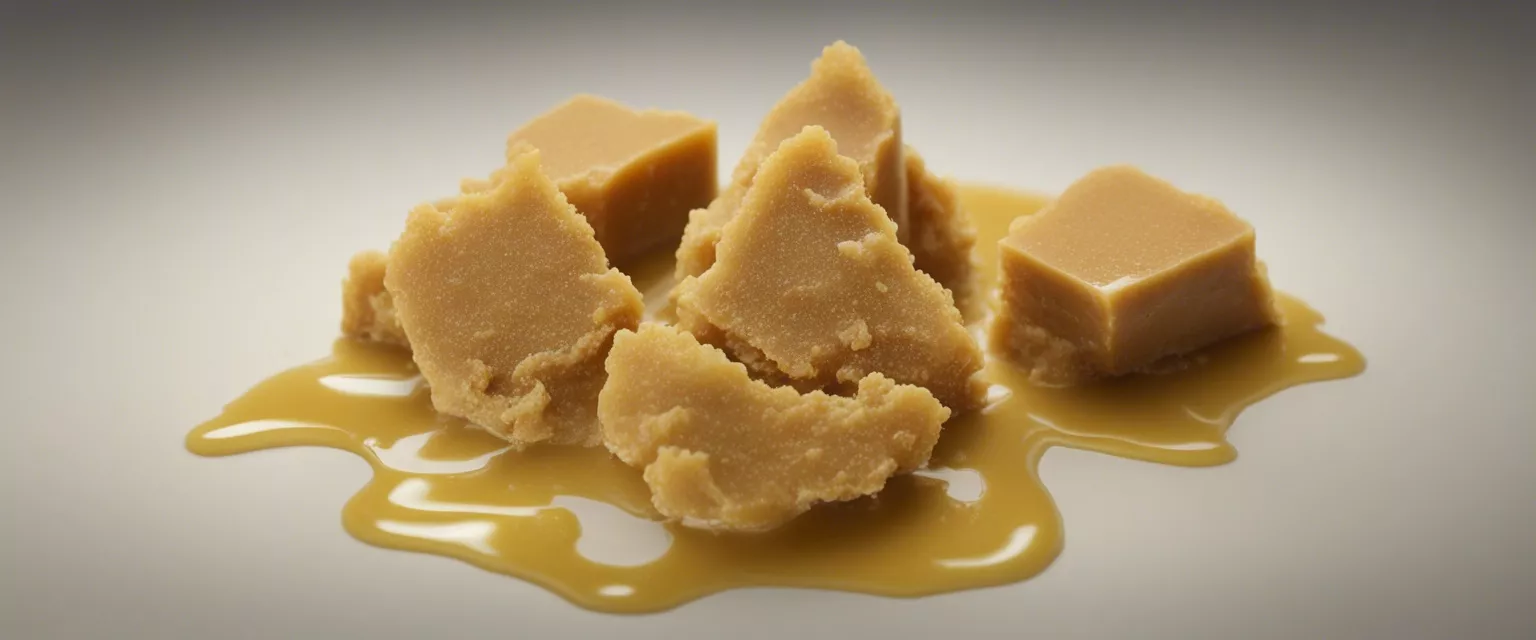
Cannabis extract represents any concentrated preparation derived from cannabis plant material through various separation techniques that isolate and concentrate cannabinoids, terpenes, and other desirable compounds. This broad category encompasses everything from simple bubble hash made with ice water to sophisticated pharmaceutical preparations using supercritical CO2 or chromatography. The fundamental principle underlying all extraction involves separating trichomes and their contents from plant material, creating products with dramatically higher potency and different consumption properties than traditional flower.
The significance of extracts in modern cannabis markets cannot be overstated, as these concentrated forms now represent 30-40% of legal cannabis sales and continue growing faster than flower categories. This shift reflects consumer preferences for discretion, precise dosing, smoke-free options, and enhanced potency that extracts provide. The extract revolution has transformed cannabis from a primarily smoked botanical into diverse product forms including vape cartridges, edibles, topicals, and pharmaceutical preparations, each requiring specific extraction and refinement techniques to achieve desired characteristics.
Contemporary extraction represents the intersection of traditional hash-making knowledge with modern chemical engineering, creating an entirely new industry segment requiring specialized expertise, equipment, and safety protocols. Professional extraction facilities resemble pharmaceutical manufacturing more than traditional cannabis cultivation, with trained technicians operating sophisticated equipment under strict quality control. This evolution from artisanal craft to industrial science reflects cannabis industry maturation while raising questions about preserving traditional methods and ensuring product diversity. Understanding extraction principles, methods, and market dynamics proves essential for anyone involved in modern cannabis, as extracts increasingly define how millions consume cannabinoids worldwide.
Fundamental principles of cannabis extraction revolve around exploiting differential solubility and physical properties to separate desired compounds from plant matrix. Cannabinoids and terpenes concentrate in trichome glands on cannabis flowers and leaves, presenting as resinous structures containing the plant’s psychoactive and therapeutic compounds. Extraction methods either physically separate intact trichomes through mechanical means or chemically dissolve target compounds using appropriate solvents. The choice between physical and chemical extraction influences final product characteristics, with mechanical methods preserving more complete chemical profiles while solvent extractions enable greater refinement and potency concentration. Understanding these principles guides method selection based on desired outcomes and available resources.
Classification systems for extracts organize the diverse product landscape based on extraction method, consistency, or chemical composition, helping consumers and professionals navigate options. Method-based classification divides extracts into solvent-based (using chemicals like butane, ethanol, or CO2) versus solventless (using physical separation like ice water or heat/pressure). Consistency-based naming describes physical properties from stable shatters to viscous oils, though these terms often overlap with method associations. Chemical composition classifications distinguish full-spectrum extracts maintaining natural compound ratios from broad-spectrum (THC-removed) or isolates containing single cannabinoids. Each classification system serves different purposes – method indicates safety and quality considerations, consistency guides consumption device selection, and composition informs therapeutic effects.
Historical evolution of cannabis extraction spans millennia from ancient hand-rubbed charas to modern closed-loop hydrocarbon systems, demonstrating humanity’s persistent interest in concentrating cannabis effects. Traditional methods like dry sifting and hand-rubbing developed independently across cannabis-growing regions, creating distinct hashish traditions in Morocco, Afghanistan, and India. The 1960s-70s counterculture introduced ice water extraction and early solvent methods to Western markets. Medical cannabis legalization drove innovation in CO2 and refined solvent extractions seeking pharmaceutical-grade products. Recent years witnessed explosive diversification with rosin, sauce, diamonds, and novel consistencies pushing boundaries of what constitutes cannabis extract. This evolution continues accelerating as legalization enables open research and development previously impossible under prohibition.
Solvent-based extraction methods utilize chemical solvents to dissolve cannabinoids and terpenes from plant material, enabling high efficiency and product refinement at the cost of complexity and safety requirements. Hydrocarbon extraction using butane or propane remains popular for producing shatter, wax, and live resin due to excellent terpene preservation and versatility. Ethanol extraction offers safer handling with FDA GRAS status, producing full-spectrum oils suitable for edibles and tinctures. CO2 extraction provides ultimate safety and selectivity through temperature and pressure manipulation, though equipment costs limit accessibility. Each solvent exhibits different selectivity for various compounds – hydrocarbons excel at terpene extraction, ethanol pulls broader spectrum including chlorophyll, while CO2 allows targeted fractionation. Solvent recovery and purging represents critical steps ensuring product safety and regulatory compliance.
Solventless extraction techniques rely on physical forces rather than chemical solvents to concentrate cannabis compounds, appealing to purists and health-conscious consumers. Ice water extraction produces bubble hash by agitating cannabis in ice water, causing trichomes to become brittle and separate through screens. Dry sifting uses mechanical agitation over fine screens to collect trichome heads as kief. Rosin pressing applies heat and pressure to squeeze resin from flower or hash, creating solventless dabs rivaling solvent-based extracts. These methods preserve complete terpene profiles and avoid residual solvent concerns but typically yield less than solvent methods. Recent innovations in rosin technology and freeze-drying enhance quality and yields, making solventless extracts increasingly competitive with traditional methods.
Post-processing refinement transforms crude extracts into diverse finished products through various purification and modification techniques. Winterization removes plant waxes and lipids by dissolving extracts in cold ethanol then filtering precipitates, essential for vape products. Distillation further purifies extracts into high-potency distillates through short-path or wiped-film systems. Decarboxylation converts THCA to psychoactive THC for edible applications. Crystallization techniques isolate pure cannabinoids creating diamonds or isolate powders. Sauce separation allows collection of terpene-rich fractions from crystallizing extracts. Color remediation using filtration media lightens dark extracts. These refinement options enable processors to create specific products from single extraction batches, maximizing value and meeting diverse market demands.
Potency factors in cannabis extracts extend beyond simple THC percentages to encompass cannabinoid ratios, terpene profiles, and minor compound presence affecting overall effects. Total cannabinoid content in extracts typically ranges 50-95% depending on method and refinement, compared to flower’s 15-30%. However, ultra-high potency doesn’t necessarily indicate superior quality – entourage effects from preserved terpenes and minor cannabinoids often provide better therapeutic outcomes than pure THC. Full-spectrum extracts maintaining natural compound ratios may test lower in THC but deliver more nuanced effects. Degradation during processing can convert THC to CBN, altering effect profiles. Understanding potency complexity helps consumers select appropriate products beyond chasing maximum THC numbers that dominate current marketing.
Purity standards for cannabis extracts address both desirable compound concentration and absence of contaminants requiring comprehensive testing protocols. Residual solvents must fall below strict limits – typically parts per million for hydrocarbons and higher thresholds for ethanol or CO2. Pesticide concentration becomes critical as extraction can concentrate these harmful compounds from source material. Heavy metals, mycotoxins, and microbial contaminants require testing ensuring consumer safety. Visual clarity and color indicate refinement level though don’t guarantee purity. Homogeneity ensures consistent dosing throughout products. Third-party testing verification provides transparency, though testing standards vary between jurisdictions. Premium extracts undergo extensive purification removing all detectable contaminants while preserving beneficial compounds.
Terpene preservation during extraction significantly impacts product quality, as these volatile compounds provide flavor and modulate cannabinoid effects through the entourage phenomenon. Low-temperature extraction methods better preserve monoterpenes that evaporate at moderate heat. “Live” extractions using fresh-frozen material capture terpene profiles impossible with dried flower. Hydrocarbon solvents at subzero temperatures excel at terpene extraction compared to room-temperature ethanol. CO2 extraction can fractionate terpenes for reintroduction but may alter profiles. Post-processing heat degrades terpenes, making cold-processing preferable for terpene-rich products. Some processors add cannabis-derived or botanical terpenes to enhance profiles, though authenticity debates continue. Terpene analysis on certificates of analysis helps consumers identify products prioritizing these important compounds.
Consumer preferences driving extract markets reveal diverse motivations from potency and discretion to health consciousness and precise dosing needs. Vape cartridges dominate extract sales due to convenience and discretion, particularly among younger demographics and urban consumers. Medical patients appreciate consistent dosing and smoke-free options extracts provide. Dabbing enthusiasts seek flavor and potency combinations pushing extraction innovation. Price-sensitive consumers gravitate toward distillate-based products while connoisseurs pay premiums for live resins and specialty extracts. Health trends favor solventless options and CO2 extracts perceived as cleaner. Social consumption drives portable extract formats. Understanding these varied preferences helps producers and retailers optimize product selection and marketing strategies in competitive markets.
Pricing structures for cannabis extracts reflect production costs, market positioning, and perceived value creating wide ranges from budget distillates to premium specialty products. Basic distillate cartridges wholesale at $10-15/gram enabling accessible retail pricing. Mid-tier live resins and CO2 oils command $20-40/gram wholesale reflecting increased production complexity. Premium extracts like diamonds, sauce, and 6-star hash reach $50-100+/gram for connoisseurs. Vertical integration reduces costs but requires capital investment. Branding and packaging significantly impact pricing beyond production costs. Bulk extracts for manufacturing trade below retail-ready products. Market maturation typically compresses margins requiring operational efficiency. Understanding pricing dynamics helps businesses position products appropriately while maintaining sustainable margins.
Regulatory frameworks for cannabis extracts vary dramatically between jurisdictions, creating complex compliance requirements for multi-state operators. Extraction facility requirements range from basic ventilation to pharmaceutical-grade cleanrooms depending on location. Solvent restrictions eliminate hydrocarbon extraction in some markets while others embrace with proper engineering controls. Potency limits for retail products affect formulation strategies – 10mg THC edible limits drive different approaches than 1000mg medical allowances. Testing requirements and acceptable contaminant levels lack standardization between states. Packaging and labeling mandates specific to extracts address child safety and dosing clarity. Some jurisdictions restrict extraction to licensed facilities while others allow home production. These regulatory variations significantly impact market development and product availability.

