
×
Remove product
Remove item from cart?

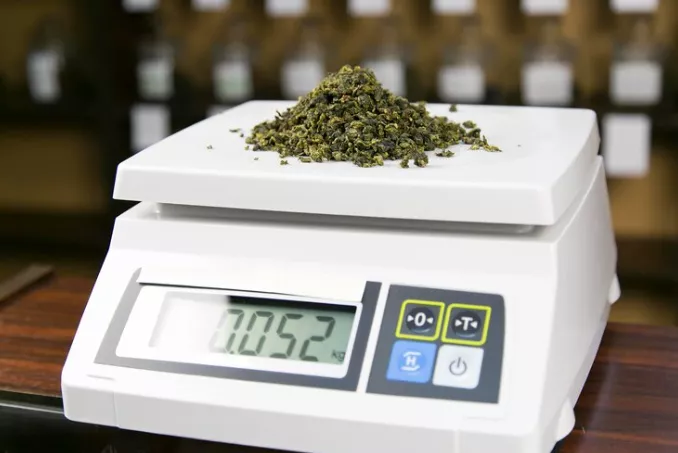
An eighth represents one-eighth of an ounce (3.5 grams) of cannabis flower, establishing itself as the fundamental retail unit that bridges small personal amounts with bulk quantities in both legal and traditional markets. This measurement became the de facto standard for cannabis transactions through decades of underground trade, creating a cultural touchstone that persists despite metrification efforts in some legal markets. The eighth’s prevalence reflects practical considerations: enough quantity for regular consumers to last several days to a week, while remaining affordable for single purchases and easy for retailers to pre-package and price.
The mathematical elegance of the eighth emerges from the imperial ounce system, where sequential halving creates intuitive fractions: an ounce divides into halves (14 grams), quarters (7 grams), and eighths (3.5 grams), with further division yielding “teenths” (1.75 grams) or grams. This system predates legal cannabis markets by decades, embedded in underground culture where quick mental math and standardized quantities facilitated transactions without scales. The persistence of imperial measurements in predominantly metric countries demonstrates cannabis culture’s powerful influence on commercial practices, resisting change even as legal markets attempt standardization.
Contemporary significance of the eighth extends beyond simple weight measurement to represent pricing benchmarks, quality indicators, and consumption patterns that shape entire market structures. Industry analysts track average eighth prices as key economic indicators, while consumers use eighth pricing to compare value across dispensaries and regions. The unit’s size influences packaging design, regulatory compliance, and inventory management throughout legal supply chains. Understanding the eighth’s role in cannabis commerce proves essential for industry professionals, policymakers, and consumers navigating markets where this traditional measurement continues defining how cannabis is bought, sold, and conceptualized despite ongoing evolution toward standardization.
Historical roots of the eighth measurement trace through decades of cannabis prohibition where standardized quantities emerged from practical needs of underground commerce. Before digital scales became accessible, dealers relied on balance scales and standardized weights, with the ounce providing a base unit divisible into convenient fractions. The eighth’s 3.5-gram weight proved optimal for typical transactions – substantial enough to justify meeting risks while remaining affordable for regular consumers. This quantity typically provided a week’s supply for moderate users, creating natural purchasing cycles. Law enforcement inadvertently reinforced these standards as possession penalties often jumped at quarter-ounce thresholds, making eighths safer to carry. These historical patterns embedded so deeply that legal markets inherited measurement systems designed for entirely different contexts.
Underground economy influences on the eighth created cultural associations extending beyond mere weight to encompass quality expectations, pricing structures, and social rituals around cannabis transactions. “Eighth pricing” became conversational shorthand for comparing dealers or assessing market rates, with experienced consumers quick to calculate gram prices from eighth quotes. The practice of “weighing out” eighths in front of customers established trust in underground markets, creating theatrical elements preserved in some legal dispensaries. Slang variations like “half-quarter” or “slice” demonstrate linguistic creativity around standard measurements. These cultural elements transferred into legal markets where budtenders perform similar weighing rituals and consumers still request “eighths” rather than “3.5 grams,” maintaining continuity with decades of tradition.
Linguistic persistence of imperial measurements in global cannabis markets reveals how deeply embedded cultural practices resist rational standardization efforts. Countries using metric systems exclusively still price cannabis in ounces and eighths, creating confusion for unfamiliar consumers. Legal markets attempting gram-based pricing face resistance from consumers accustomed to eighth-based calculations. The term “eighth” itself requires cultural knowledge to understand, excluding newcomers while reinforcing insider status. This linguistic barrier parallels other industries where traditional measurements persist despite inefficiency – like television screens measured in inches globally. The eighth’s survival demonstrates how commercial practices encode cultural memory, preserving underground heritage within legal frameworks.
Pricing strategies around eighths create complex market dynamics where this unit serves as both loss leader and profit center depending on positioning. Budget eighths priced aggressively attract price-sensitive consumers while potentially sacrificing margins, forcing retailers to profit from accessories or premium products. Premium eighths command prices exceeding $60-80 in some markets, with consumers paying for novelty strains, organic certification, or brand prestige. The “ounce break” pricing model incentivizes bulk purchases by offering better per-gram value on larger quantities, though eighths remain most profitable per-gram for retailers. Dynamic pricing based on age of inventory helps move older stock through discounted eighths. These pricing strategies around a standardized unit enable sophisticated yield management rivaling other retail sectors.
Quality segmentation within eighth pricing creates informal tier systems communicating value propositions to educated consumers. “Top shelf” eighths feature pristine appearance, high potency, and rare genetics commanding premium prices. “Mid-shelf” offerings balance quality with affordability for regular consumption. “Bottom shelf” or “value” eighths serve price-conscious consumers accepting aesthetic flaws or older harvests. Some markets develop formal grading systems, though most rely on price positioning and budtender guidance. Small-batch or craft eighths create super-premium categories for connoisseurs. This quality stratification within a standardized quantity helps consumers navigate choices while allowing retailers to serve diverse market segments efficiently.
Supply chain impacts of eighth-centric commerce influence decisions throughout cannabis production and distribution networks. Cultivators plan harvests around expected eighth yields, with pound-to-eighth conversions determining revenue projections. Testing requirements often specify per-batch sampling affecting how producers allocate flower for eighth packaging versus bulk sales. Distribution models optimize for eighth-heavy order patterns, with case quantities reflecting common dispensary orders. Packaging suppliers design containers specifically for 3.5-gram quantities, investing in molds and machinery for this standard size. Even regulatory frameworks often reference eighth quantities in possession limits or purchase restrictions. This standardization around eighths creates efficiencies while potentially limiting innovation in package sizes or sales models.
Purchase patterns analysis reveals eighths dominating transaction frequency though not necessarily revenue, with typical consumers buying 1-2 eighths per dispensary visit. Regular consumers often purchase multiple eighths of different strains, treating variety packs as exploration opportunities. Weekly purchasing cycles align with eighth quantities lasting moderate consumers 5-7 days. Price sensitivity varies dramatically, with some consumers exclusively buying discounted eighths while others pay premium prices for specific effects or flavors. Day-of-week patterns show eighth sales spiking on Fridays and weekends when consumers stock up. First-time buyers frequently default to eighth purchases as manageable trial quantities. These patterns inform inventory management, staffing decisions, and promotional strategies across retail operations.
Consumption rates correlated with eighth purchases provide insights into usage behaviors and tolerance development over time. New consumers typically make eighths last 2-3 weeks, while daily users may consume multiple eighths weekly. The 3.5-gram quantity enables rough consumption tracking – users noting “an eighth a week” habit communicates usage levels efficiently. Social consumers stretch eighths across multiple sessions, while medical patients may require precise daily dosing within eighth allocations. Tolerance development often manifests as shortened eighth duration rather than increased session consumption. These consumption patterns help retailers recommend purchase quantities and identify opportunities for bulk sales to heavy users.
Decision factors in eighth selection reveal complex value calculations beyond simple price comparison, encompassing freshness, variety, and discovery motivations. Package dates influence choices as educated consumers avoid older eighths despite discounts. Variety-seeking behavior drives multiple eighth purchases over equivalent bulk quantities, with consumers valuing flavor exploration. Brand loyalty develops through consistent eighth experiences, creating repeat purchase patterns. Budtender recommendations strongly influence eighth selection, particularly for intermediate consumers. Limited edition or small-batch eighths trigger scarcity responses despite premium pricing. Packaging appeal matters more for eighth purchases intended as gifts or special occasions. Understanding these decision factors helps retailers optimize product mix and marketing strategies.
Metrification pressures on traditional eighth measurements intensify as cannabis mainstreams and international commerce standardizes on metric units. Some Canadian provinces mandate metric-only labeling creating “3.5 gram” packages that confuse consumers expecting “eighth” terminology. European markets developing legal frameworks favor 5-gram standardized units over imperial-derived quantities. Wholesale transactions increasingly use kilogram pricing even in eighth-dominant retail markets. Software systems designed for global deployment default to metric measurements. However, consumer resistance remains strong, with “eighth” terminology persisting in metric markets through cultural momentum. This tension between rational standardization and cultural tradition will likely result in hybrid systems maintaining both measurement frameworks.
Alternative packaging trends challenge eighth dominance as markets mature and consumption patterns diversify beyond traditional flower smoking. Pre-roll multi-packs offer convenience while obscuring weight-based value calculations. “Smalls” or “popcorn” eighths provide budget options using B-grade flower. Half-gram “tasters” allow strain exploration without eighth commitments. Subscription models deliver curated eighths weekly or monthly. Some brands experiment with 5-gram or 7-gram packages targeting different consumption frequencies. Single-serving packaging for social consumption venues requires rethinking traditional quantities. These innovations suggest eighth dominance may fragment as markets segment, though the cultural weight of traditional measurements ensures continued relevance.
Technology disruption potential exists for fundamentally reimagining cannabis retail beyond weight-based transactions toward experience or effect-based models. Biosensor feedback could enable “dose until desired effect” purchasing rather than predetermined weights. Subscription algorithms might optimize quantities based on consumption patterns rather than standard eighths. Vending machines or automated dispensaries could offer precise custom weights. Blockchain verification of chemistry rather than weight might shift value perception. Social consumption data could inform dynamic sizing based on group composition. However, regulatory frameworks built around weight-based limits and cultural attachment to traditional measurements create substantial inertia. The eighth’s future likely involves gradual evolution rather than revolutionary disruption, maintaining relevance while adapting to new contexts.

