×
Remove product
Remove item from cart?
Sold & Shipped by: BIRCH+FOG

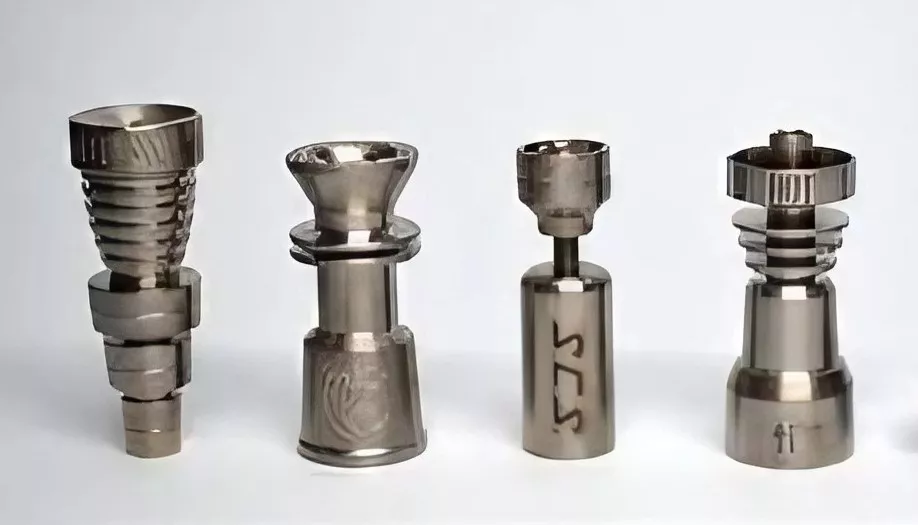
A domeless nail represents an innovative evolution in dabbing technology that eliminates the need for a separate glass dome to capture vapor, integrating vapor collection into the nail design itself through strategic airflow engineering. This advancement simplified the dabbing process significantly by reducing components, improving functionality, and creating a more user-friendly experience that helped mainstream concentrate consumption beyond dedicated enthusiasts. The domeless design features built-in air intake systems that direct airflow across the heated dabbing surface, efficiently capturing and channeling vapor directly into the rig without requiring additional accessories.
The engineering behind domeless nails involves careful consideration of thermodynamics, fluid dynamics, and materials science to create optimal vaporization and collection in a single component. These nails utilize various hole configurations, channel designs, and dish shapes that create pressure differentials guiding vapor flow while maintaining appropriate temperature zones for efficient vaporization. The elimination of the dome not only streamlines the dabbing process but also improves safety by removing a hot glass component that frequently caused burns and created handling challenges during the critical timing of concentrate application.
Contemporary significance of domeless nails extends throughout the dabbing community as they have become the standard for both casual users and connoisseurs, largely replacing traditional dome-and-nail setups in modern consumption. This technology democratized concentrate consumption by lowering the technical barrier to entry, reducing the equipment investment, and creating more intuitive user experiences. The success of domeless designs sparked continued innovation in nail technology, leading to advanced features like directional airflow, self-cleaning designs, and optimized heat retention that define current dabbing hardware. Understanding domeless nail design principles, materials, and proper usage techniques proves essential for anyone involved in concentrate consumption or retail, as these components fundamentally changed how millions of consumers interact with cannabis extracts.
Traditional dome systems required precise coordination between multiple hot components, creating complexity and safety hazards that limited dabbing to experienced users willing to master intricate techniques. The original setup involved heating a nail, applying concentrate, then quickly placing a glass dome over the nail to capture rising vapor – all while managing extremely hot surfaces. Timing proved critical as delayed dome placement meant lost vapor, while premature placement could cause concentrate to splatter. Glass domes frequently stuck to nails due to reclaim buildup, requiring force to remove that often resulted in breakage. Temperature management became complicated as domes trapped heat, creating unpredictable vaporization conditions. These multi-component systems demanded dedicated workspace and careful handling that discouraged casual use and created barriers for medical patients seeking simple consumption methods.
Early domeless innovations emerged from user frustration with traditional systems, as creative consumers and glassblowers experimented with integrated designs that captured vapor without separate components. Initial attempts included simple dishes with strategic hole placement that used natural convection to direct vapor flow. Castle-style nails featured raised centers with surrounding moats and angled holes creating natural vapor paths. Honeycomb designs incorporated multiple small holes that diffused airflow while maintaining vapor capture. Side-arm configurations directed air horizontally across dabbing surfaces. These pioneering designs proved that integrated vapor collection was possible, though early versions often suffered from inefficient airflow, difficult cleaning, or poor heat retention. Market response to these innovations demonstrated clear demand for simplified dabbing solutions.
Design standardization occurred as successful domeless patterns emerged through community testing and manufacturer refinement, establishing configurations that balanced functionality, durability, and manufacturing feasibility. The cup or dish style with angled intake holes became dominant for its simplicity and effectiveness. Standardized joint sizes (10mm, 14mm, 18mm) ensured compatibility across different rigs. Universal designs accommodated both male and female joint configurations through reversible or adjustable components. Heat sink bases improved stability and temperature management. Cleaning considerations influenced designs toward simple geometries avoiding reclaim traps. Materials science advanced to support these designs with titanium, quartz, and ceramic options each offering distinct advantages. This standardization enabled mass production, reduced costs, and created consumer confidence in domeless technology as a mature solution.
Airflow engineering in domeless nails requires precise calculation of hole placement, angle, and size to create optimal pressure differentials that naturally direct vapor into rigs without manual capture. Intake holes positioned around dish perimeters create venturi effects as air passes over heated concentrate, generating low-pressure zones that pull vapor downward. Angle optimization typically ranges 15-45 degrees depending on dish depth and overall design geometry. Hole diameter affects flow velocity with smaller holes creating faster streams that may cool vapor excessively while larger holes reduce capture efficiency. Multiple hole configurations balance these factors distributing airflow evenly across dabbing surfaces. Channel designs between holes and central chambers guide vapor flow preventing turbulence that causes reclaim buildup. Computational fluid dynamics modeling helps manufacturers optimize designs before production. These engineering principles separate effective domeless nails from poor designs that waste concentrate or provide harsh hits.
Material properties significantly impact domeless nail performance with titanium, quartz, ceramic, and silicon carbide each offering distinct thermal characteristics affecting user experience. Titanium’s durability and rapid heating made it the early standard, though concerns about oxidation at high temperatures and potential metallic flavors drove alternative development. Quartz provides superior flavor preservation and visual temperature indication through color changes but requires careful handling due to thermal shock vulnerability. Ceramic offers excellent heat retention and flavor neutrality but suffers from slow heating and fragility. Silicon carbide emerges as premium option combining durability, flavor preservation, and optimal thermal properties at higher costs. Each material demands specific temperature ranges and heating techniques for optimal performance. Thermal mass variations affect dabbing experiences from quick, intense hits to prolonged, flavorful sessions.
Manufacturing precision requirements for domeless nails exceed typical smoking accessories due to tight tolerances necessary for proper function and safety in extreme temperature applications. CNC machining for titanium nails ensures consistent hole angles and smooth surfaces preventing concentrate waste in rough areas. Quartz fabrication requires skilled lampworking or precision molding maintaining uniform wall thickness for even heating. Joint grinding must create perfect seals preventing air leaks that compromise vapor collection. Quality control includes pressure testing for quartz integrity and dimensional verification ensuring compatibility. Surface finishing affects both aesthetics and function with polished surfaces easier to clean but potentially more slippery when handling. Mass production challenges include maintaining consistency across batches while managing material costs. Premium manufacturers often serialize products enabling authenticity verification and warranty support addressing widespread counterfeiting in popular designs.
Temperature optimization for domeless nails varies by material and user preference but generally requires more precise control than traditional setups due to direct airflow cooling effects. Low-temperature dabbing (450-550°F) preserves terpenes and provides smooth hits but may leave residue requiring cleaning between uses. Medium temperatures (550-650°F) balance flavor and complete vaporization for most users. High temperatures (650-750°F) ensure complete vaporization but sacrifice flavor and may produce harsh vapor. Domeless designs cool faster than enclosed systems requiring temperature adjustment compared to dome setups. Heat retention varies significantly between materials affecting optimal heating times. Electronic nail controllers excel with domeless designs providing consistent temperatures compensating for cooling effects. Infrared thermometers help dial in preferences for torch users. Understanding thermal dynamics improves efficiency and experience quality.
Cleaning and maintenance requirements for domeless nails prove simpler than traditional systems but remain critical for optimal performance and flavor preservation. Daily cleaning prevents reclaim buildup that restricts airflow and harbors degraded flavors. Isopropyl alcohol soaks dissolve most residues with higher concentrations working faster. Ultrasonic cleaners excel for intricate designs reaching internal channels. Torch cleaning burns off stubborn deposits but risks oxidizing titanium or shocking quartz. Cotton swab cleaning immediately after use prevents buildup when done consistently. Deep cleaning techniques vary by material with titanium tolerating aggressive methods while quartz requires gentler approaches. Seasoning new titanium nails remains controversial with some users applying oils while others rely on natural buildup. Regular maintenance extends nail lifespan and ensures consistent performance crucial for medical users requiring reliable dosing.
Safety considerations for domeless nails improve over traditional systems but still require respect for extreme temperatures and proper handling techniques preventing injuries. Exposed heating surfaces reach temperatures exceeding 700°F requiring careful spatial awareness during use. Stable rig placement prevents tipping accidents that could cause severe burns or fires. Heat-resistant surfaces protect furniture from damage during nail placement between uses. Cooling time awareness prevents premature handling with quartz retaining dangerous heat despite appearing cool. Proper torch technique ensures even heating preventing thermal shock in quartz nails. Ventilation remains important as any dabbing produces vapor requiring air exchange. Storage considerations include protecting quartz from impacts and preventing titanium oxidation. First-time users benefit from lower temperatures and smaller dabs while learning timing and technique. These safety practices enable enjoyable experiences while minimizing risks inherent to high-temperature consumption.
Democratization effects of domeless nail technology expanded concentrate consumption beyond dedicated enthusiasts to casual users intimidated by complex traditional setups. Simplified operation removed technical barriers that previously required extensive knowledge and practice to achieve satisfactory results. Reduced component counts lowered initial investment costs making dabbing accessible to budget-conscious consumers. Intuitive designs enabled successful first experiences encouraging continued exploration of concentrates. Medical patients particularly benefited from easier operation when dealing with mobility issues or condition-related limitations. Retail staff could more easily demonstrate and explain domeless systems to curious customers. Social consumption became more practical without juggling multiple hot components. This accessibility expansion grew concentrate markets significantly as dabbing transformed from niche practice to mainstream consumption method. Hardware simplification paralleled concentrate quality improvements and price reductions creating perfect conditions for market growth.
Innovation catalyst effects from domeless nail success encouraged continued hardware development as manufacturers recognized consumer appetite for improved dabbing experiences. Electronic nail development accelerated to complement domeless designs with precise temperature control. Carb cap evolution created specialized airflow tools optimizing domeless nail performance. Recycler rig designs emerged specifically for domeless setups maximizing flavor through advanced percolation. Portable dab rigs integrated domeless concepts into compact devices. Hybrid nails combining materials addressed individual material limitations. Self-cleaning designs attempted to minimize maintenance requirements. Modular systems allowed customization of airflow patterns. Smart features like temperature indicators integrated into premium options. This innovation cycle continues driving dabbing technology forward as each advancement reveals new optimization opportunities. Competition benefits consumers through rapid improvement cycles and diverse options.
Cultural shifts within dabbing communities moved from exclusivity around complex techniques toward inclusivity as domeless nails made concentrate consumption more approachable. Traditional dabbing culture valued mastery of difficult dome techniques as marks of expertise creating hierarchies within communities. Domeless adoption democratized access reducing emphasis on technical skill while maintaining appreciation for quality and effects. Social media content shifted from dome technique tutorials to temperature optimization and flavor appreciation. Retail environments became more welcoming to concentrate newcomers without intimidating traditional setups. Product reviews and recommendations adapted to broader audiences beyond experienced users. Community attitudes evolved embracing simplification rather than viewing it as dumbing down. This cultural transformation paralleled broader cannabis normalization as consumption moved from underground expertise to mainstream acceptance. Domeless nails symbolize technology’s role making cannabis more accessible while preserving culture.