
×
Remove product
Remove item from cart?

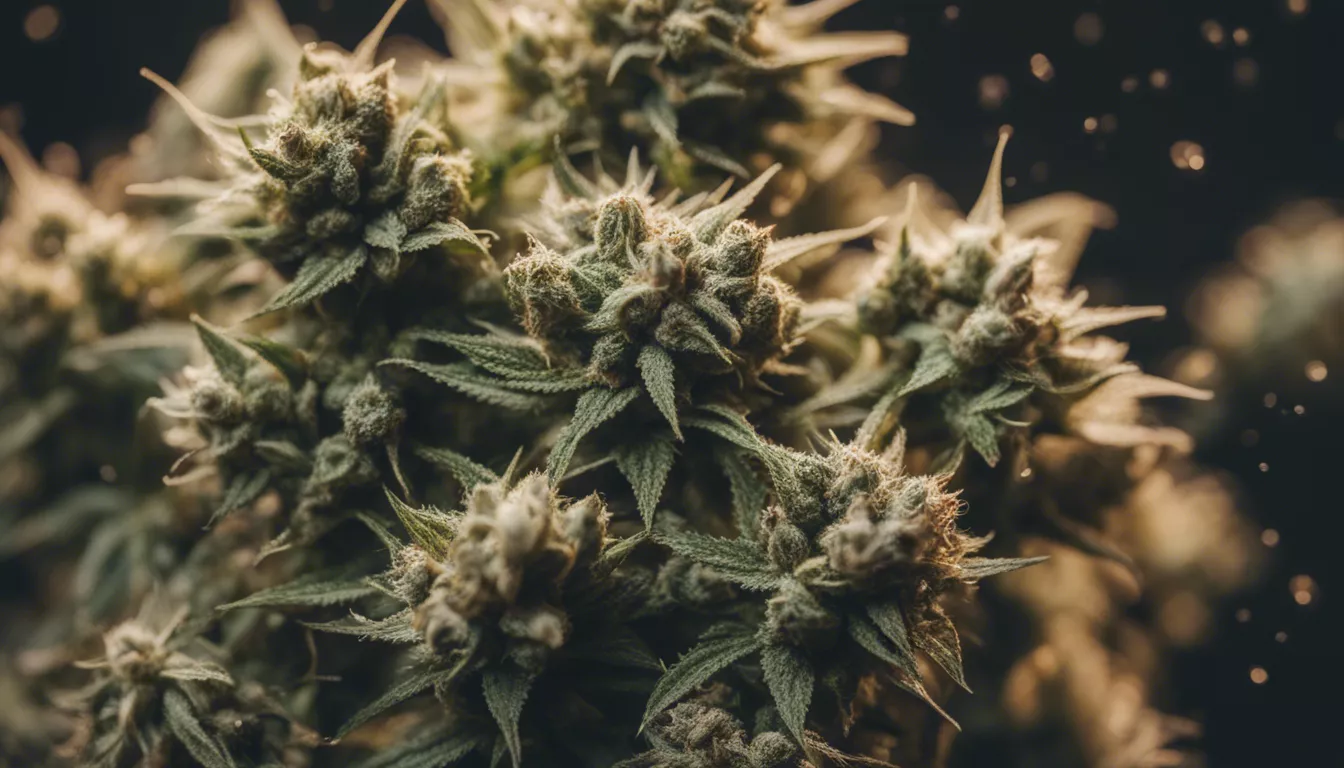
Dank serves as a quintessential cannabis descriptor conveying premium quality through a single term that encompasses superior aroma, potency, appearance, and overall desirability in cannabis flower and products. Originally meaning unpleasantly moist or humid, the term underwent semantic transformation within cannabis culture to represent the opposite—highly desirable, sticky, aromatic flower exhibiting characteristics of proper cultivation, curing, and genetics. This linguistic evolution reflects cannabis culture’s tendency to reclaim and redefine language, creating insider terminology that simultaneously identifies community members and describes nuanced quality attributes difficult to capture in conventional vocabulary.
The sensory experience of dank cannabis engages multiple senses through dense, resinous flowers emitting powerful, complex aromas often described as earthy, skunky, or pungent with underlying sweet or fuel-like notes. Visual indicators include abundant trichome coverage creating a frosty appearance, dense bud structure, and vibrant colors ranging from deep greens to purples with contrasting orange pistils. The tactile sensation reveals sticky, resinous texture indicating high trichome content and proper moisture levels—neither too dry nor excessively wet. These combined characteristics create an immediate impression of quality that experienced consumers recognize instantly, making “dank” a valuable shorthand in cannabis communication.
Contemporary usage of dank extends beyond simple quality description to represent a cultural standard and marketing term that resonates with both traditional cannabis enthusiasts and newer consumers seeking premium products. In legal markets, “dank” appears in strain names, brand positioning, and product descriptions, though its subjective nature challenges standardization efforts. The term’s persistence despite industry professionalization demonstrates the enduring influence of traditional cannabis culture on modern markets. Understanding what constitutes dank cannabis proves valuable for cultivators targeting premium markets, budtenders describing products, and consumers navigating quality variations, as the concept encapsulates decades of collective knowledge about what makes cannabis exceptional beyond simple laboratory metrics of potency or terpene percentages.
Aromatic complexity defines dank cannabis through layered scent profiles that evolve from initial impression through grinding to combustion, creating dynamic olfactory experiences distinguishing premium flower. Primary notes often include earthy, musky foundations reminiscent of rich soil or forest floor, overlaid with skunky or diesel-like pungency that announces potency. Secondary aromatics vary by strain but commonly feature sweet undertones like berries or tropical fruit, sharp citrus notes, or floral hints adding depth. The intensity matters as much as complexity—dank cannabis announces itself upon opening containers, filling rooms with unmistakable presence. This aromatic strength results from high terpene content properly preserved through optimal cultivation and curing practices. Connoisseurs often judge quality primarily through smell, recognizing that robust, complex aromas indicate overall excellence.
Visual presentation of dank cannabis showcases cultivation mastery through multiple aesthetic indicators working synergistically to create immediate quality impressions before consumption. Dense, compact flower structure suggests optimal growing conditions and genetics, with calyxes swollen with resin rather than airy or loose construction. Trichome coverage appears as thick frost coating all surfaces, visible to naked eye but spectacular under magnification revealing intact mushroom-shaped glands. Color vibrancy indicates proper nutrition and environmental conditions, with deep greens complemented by strain-specific purples, blues, or reds. Pistil condition and color provide maturity indicators, with properly timed harvest showing predominantly amber or red rather than white hairs. Absence of visible seeds, stems, or leaf material demonstrates careful trimming and quality control. These visual elements combine creating “bag appeal” crucial for premium market positioning.
Tactile qualities of dank cannabis provide immediate physical feedback about resin content, moisture levels, and overall quality through touch sensations distinct from average flower. Properly cured dank flower exhibits slight spring when gently squeezed, bouncing back rather than crumbling (too dry) or compressing permanently (too moist). The sticky sensation when handling results from abundant surface resins adhering to fingers, leaving visible residue and requiring hand washing. Breaking apart buds reveals internal structure matching external appearance—consistent trichome coverage throughout rather than just surface decoration. The grinding experience differs notably, with dank flower requiring more effort due to resin content while releasing intense aromatics. This tactile richness translates directly to smoking or vaporization experiences, with resinous flower producing smoother, more flavorful consumption.
Terpene contributions to dank characteristics extend beyond simple aroma to create the complex sensory experiences distinguishing exceptional cannabis through synergistic interactions. Primary terpenes in classically dank strains include myrcene providing earthy, musky foundation notes while enhancing THC uptake. Caryophyllene adds spicy, peppery elements contributing to skunky impressions. Limonene brightens profiles with citrus notes while potentially enhancing mood effects. Pinene contributes sharp, fresh elements reminiscent of pine forests. The total terpene content in dank cannabis typically exceeds 2%, compared to 0.5-1% in average flower. These aromatic compounds work synergistically, creating complexity impossible to replicate through single terpenes. Preservation through proper drying, curing, and storage maintains these volatile compounds essential for dank designation.
Cannabinoid profiles in dank cannabis typically feature high total cannabinoid content, though potency alone doesn’t guarantee dank status without accompanying characteristics. THC levels usually exceed 20%, but more importantly, the cannabinoid profile includes meaningful amounts of minor cannabinoids like CBG, CBC, and CBN contributing to effect complexity. The ratio of different cannabinoids creates nuanced experiences beyond simple THC potency. THCA crystal formation visible on flower surfaces indicates proper plant maturation and post-harvest handling. Conversion efficiency during consumption reflects resin quality, with dank flower producing notably stronger effects per gram than equivalent THC percentage in lesser quality products. This efficiency results from enhanced bioavailability through entourage effects and superior resin gland integrity.
Resin gland integrity distinguishes dank cannabis at microscopic levels, with intact trichome heads containing full complement of cannabinoids and terpenes rather than damaged or degraded structures. Proper cultivation practices including gentle handling, optimal environmental conditions, and precise harvest timing preserve these delicate structures. Curing processes in dank cannabis production focus on moisture regulation preventing trichome brittleness while avoiding conditions promoting degradation. Storage in appropriate containers maintains structural integrity preventing static damage or oxidation. This preservation of complete trichomes explains why dank cannabis provides superior effects and flavors—intact resin glands release their contents efficiently during consumption rather than losing compounds to handling damage or environmental degradation before use.
Environmental optimization during cultivation creates the foundation for dank cannabis through precise control of variables affecting plant metabolism and resin production throughout growth cycles. Temperature management maintains optimal ranges (68-78°F) preventing stress while encouraging robust development. Humidity control varies by growth stage, from 60-70% during vegetation to 40-50% during flowering, preventing mold while supporting transpiration. Light intensity and spectrum selection maximizes photosynthesis and influences terpene production, with many dank strains responding well to UV supplementation. Air circulation prevents microclimates while strengthening stems through mechanical stress. CO2 enrichment can enhance growth rates and resin production when other variables are optimized. These environmental factors work synergistically—excellence in one area cannot compensate for deficiencies elsewhere.
Genetic selection plays a fundamental role in achieving dank status, as certain cultivars possess inherent traits for exceptional resin production, terpene complexity, and aesthetic appeal. Classic dank strains like OG Kush, Sour Diesel, and their progeny demonstrate genetic predisposition for characteristics defining quality. However, genetics provide potential requiring proper cultivation to express fully. Phenotype selection within cultivars identifies individuals exhibiting superior dank traits for mother plant preservation. Modern breeding programs specifically target dank characteristics, combining proven genetics while maintaining or enhancing defining qualities. The interaction between genetics and environment means identical seeds can produce varying results, with skilled cultivators consistently achieving dank outcomes from good genetics while poor practices waste exceptional genetic potential.
Harvest timing precision significantly impacts whether potentially dank cannabis achieves its quality ceiling or falls short through premature or overripe collection. Trichome examination reveals optimal harvest windows when cloudy trichomes dominate with minimal clear (immature) or amber (degraded) heads. This timing varies by strain and desired effects but generally occurs within a 1-2 week window requiring daily monitoring. Environmental conditions during final weeks affect resin production, with many cultivators manipulating temperature and humidity to stress plants into maximum trichome development. Flushing practices removing residual nutrients affect final flavor profiles. Dark periods before harvest may enhance terpene content. These finishing techniques separate dank cannabis from merely good flower, requiring patience and experience recognizing subtle maturity indicators.
Linguistic transformation of “dank” from negative descriptor to cannabis culture’s ultimate quality endorsement illustrates how subcultures create meaning through usage rather than formal definition. The word’s original meaning—disagreeably damp or humid—seemingly opposes desired cannabis characteristics, yet the ironic adoption created powerful insider terminology. This semantic shift occurred organically through repeated use in cannabis communities during the 1990s and 2000s, spreading through hip-hop culture and internet forums. The appropriation demonstrates linguistic creativity, taking available vocabulary and imbuing new meaning through context. Similar transformations include “chronic,” “fire,” and “loud,” showing pattern of reimagining words to describe cannabis excellence. This linguistic play serves multiple functions: creating group identity, avoiding surveillance, and expressing concepts lacking conventional vocabulary.
Generational differences in dank usage reflect evolving cannabis culture as legalization brings new consumers unfamiliar with traditional terminology and its cultural weight. Older cannabis enthusiasts use dank with specific meaning tied to personal experiences with exceptional flower during prohibition, creating high standards for the designation. Younger consumers may apply the term more liberally to any above-average cannabis, diluting its significance. Legal market marketing sometimes overuses dank in product descriptions, potentially devaluing through saturation. However, core cannabis communities maintain strict standards, gatekeeping the term’s application to truly exceptional products. This tension between preservation and evolution characterizes many aspects of cannabis culture’s mainstream integration, with dank serving as linguistic battleground for authenticity versus commercialization.
Cross-cultural adoption of dank demonstrates cannabis culture’s global reach, with the English term appearing untranslated in multiple languages’ cannabis vocabulary. International cannabis communities adopt dank alongside other English cannabis terminology, creating shared global vocabulary transcending linguistic boundaries. This adoption reflects American cannabis culture’s influence through media, music, and internet communities. However, local variations emerge as different cultures interpret dank through their cannabis traditions and quality standards. Some regions develop equivalent terms in local languages while maintaining dank for international communication. This linguistic spread parallels cannabis legalization’s global expansion, with terminology serving as cultural export alongside cultivation techniques and consumption methods.

