
×
Remove product
Remove item from cart?

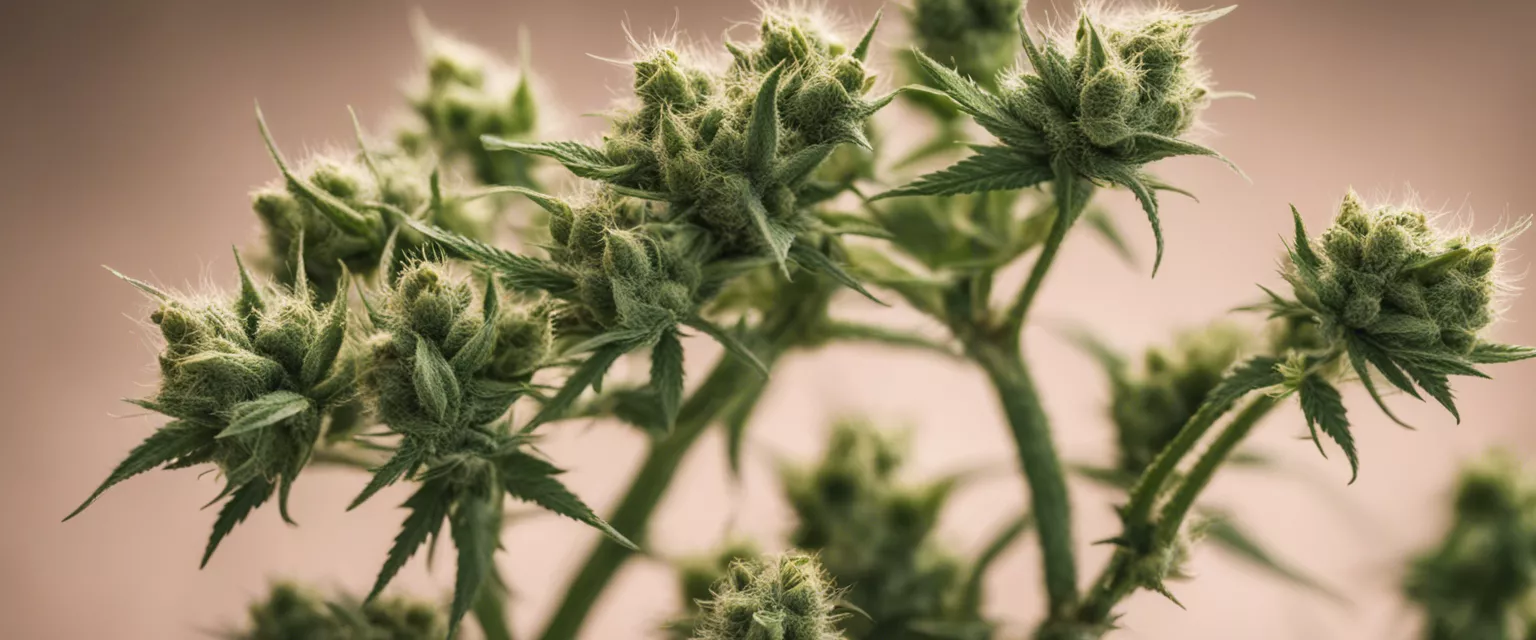
A cola refers to the flowering cluster that forms at the apex of cannabis branches, representing the plant’s most prized and potent production sites where dense concentrations of trichome-covered buds develop. These terminal flower clusters, deriving their name from the Spanish word for “tail,” serve as the culmination of the plant’s reproductive effort and the primary focus of commercial cultivation. The main cola, also known as the apical cola, typically develops at the plant’s highest point and often grows larger than secondary colas due to apical dominance and optimal light exposure.
The botanical significance of colas extends beyond their impressive appearance to their role as the cannabis plant’s reproductive powerhouses, where female flowers cluster tightly to maximize pollination opportunities in nature. In cultivation settings, these dense flower formations concentrate the plant’s energy into producing the highest levels of cannabinoids and terpenes, making colas the most valuable portion of the harvest. The size, density, and resin production of colas serve as primary indicators of overall plant health, genetic potential, and cultivation success.
Contemporary cannabis cultivation practices increasingly focus on maximizing cola production through various training techniques, environmental optimization, and genetic selection. Understanding cola development, structure, and optimization has become essential knowledge for both commercial cultivators seeking to maximize yields and quality, as well as connoisseurs who recognize that the finest cannabis flowers typically come from well-developed colas. As the industry professionalizes, the ability to consistently produce large, dense, and resinous colas has become a key differentiator between amateur and professional cultivation operations.
Physiological development of colas begins during the transition from vegetative growth to flowering, triggered by photoperiod changes that initiate hormonal cascades throughout the plant. As flowering hormones accumulate, the apical meristem shifts from producing leaves to generating flower primordia, which cluster together forming the initial cola structure. This transformation typically occurs over 1-2 weeks, with visible pre-flowers appearing at node sites before full cola development begins. The density of flower sites within the cola depends on genetic factors, environmental conditions, and the plant’s overall health during this critical transition period.
Hormonal regulation of cola formation involves complex interactions between auxins, cytokinins, and flowering hormones like florigen. Apical dominance, mediated by auxin production in the main shoot tip, typically results in the largest cola forming at the plant’s apex. This hormone suppresses lateral branch development, directing energy toward the main cola. Cytokinins produced in the roots counteract auxin effects, promoting lateral branching and secondary cola formation. The balance between these hormones, influenced by genetics and cultivation practices, determines the number and size of colas a plant produces.
Environmental factors profoundly impact cola development, with light intensity, spectrum, and distribution playing crucial roles. Optimal cola formation requires intense light, particularly during the flowering phase when energy demands peak. Temperature differentials between day and night affect cola density, with moderate differences promoting tighter bud structure. Humidity levels influence cola development and susceptibility to pathogens, requiring careful balance. Nutrient availability, especially phosphorus and potassium during flowering, directly impacts cola size and resin production. These environmental parameters interact synergistically, requiring holistic management for optimal results.
Flower arrangement within colas follows a specific pattern, with individual calyxes spiraling around the central stem in phyllotactic sequences. Each calyx contains potential seed sites and concentrates trichome production on its surface. The density of calyx stacking determines overall cola density, with tighter arrangements generally indicating higher quality. Pistils emerge from each calyx, initially white and gradually changing color as the cola matures. Sugar leaves interspersed throughout the cola contribute additional trichome coverage while providing photosynthetic support. This intricate arrangement maximizes reproductive potential in nature while concentrating resin production in cultivation.
Trichome distribution on colas shows distinct patterns, with highest densities typically occurring on calyxes and sugar leaves nearest the cola’s apex. Capitate-stalked trichomes, the largest and most cannabinoid-rich type, predominate on cola surfaces exposed to direct light. Sessile and bulbous trichomes fill spaces between larger trichomes, creating the characteristic frosty appearance of mature colas. Trichome density and maturation progress from the cola’s base upward, with apical regions often showing the most advanced development. This distribution pattern influences harvest timing decisions and trimming strategies.
Support structures within colas include the main stem, which must strengthen to support increasing flower weight, and the network of sugar leaves that provide both photosynthetic capacity and physical structure. The stem often lignifies during flowering, developing woody characteristics to prevent breaking under cola weight. Internodal spacing affects cola structure, with tighter nodes creating denser formations. The ratio of flower to leaf material within colas varies by genetics and growing conditions, influencing both bag appeal and processing efficiency. Understanding these structural elements helps optimize cultivation practices and post-harvest handling.
Apical dominance creates distinct differences between main and secondary colas, with the primary cola typically exhibiting superior size, density, and cannabinoid concentration. The main cola receives priority resource allocation due to its position and hormonal signaling, often growing 20-50% larger than secondary colas. This dominance results from higher auxin concentrations that suppress lateral growth while promoting vertical development. Light exposure advantages at the canopy’s apex further enhance main cola development. Breaking apical dominance through topping redirects growth hormones, creating multiple main colas of more uniform size.
Secondary cola characteristics depend on their position within the plant architecture and local environmental conditions. Lower branches produce smaller, less dense colas due to reduced light penetration and resource allocation. These secondary colas often mature at different rates than the main cola, complicating harvest timing. However, secondary colas from well-trained plants can approach main cola quality when given adequate light and space. The total number of secondary colas varies dramatically based on genetics, training, and growing methods, from a few large secondaries to dozens of smaller ones.
Hierarchical development patterns emerge as plants allocate resources based on cola position and potential reproductive success. Energy distribution follows source-sink relationships, with larger colas acting as stronger sinks for nutrients and photosynthates. This creates feedback loops where successful colas continue growing at the expense of weaker ones. Understanding these patterns enables cultivators to optimize plant architecture for their specific goals, whether maximizing total yield, producing uniform colas, or focusing energy on fewer, larger colas. Pruning strategies can manipulate these natural hierarchies to achieve desired outcomes.
Topping and FIMing represent fundamental techniques for increasing cola production by breaking apical dominance and promoting lateral growth. Topping involves removing the main growth tip, causing auxin redistribution that stimulates multiple shoots to become dominant colas. The timing of topping critically affects outcomes, with earlier intervention allowing more time for recovery and development. FIMing (Fuck I Missed) partially removes the growth tip, potentially creating 3-4 new main colas instead of topping’s typical two. These techniques require healthy, vigorous plants to recover effectively and benefit from extended vegetative periods.
Low Stress Training (LST) manipulates cola positioning without cutting, using gentle bending to create even canopies and improved light distribution. By bringing lower branches to the same height as the main cola, LST breaks apical dominance through gravitropic responses rather than removal. This technique suits autoflowering varieties and situations where plant stress must be minimized. Continuous adjustment throughout growth maintains optimal positioning. LST combined with other techniques creates complex canopy architectures with numerous uniform colas.
Screen of Green (SCROG) methods optimize cola production by spreading growth horizontally through a screen or net. This technique maximizes light utilization by creating a uniform canopy of colas at optimal distance from lights. SCROG requires careful timing, typically installing screens during late vegetative growth and weaving branches through during stretch. The method particularly suits limited height environments and can dramatically increase cola numbers per plant. Proper screen spacing and plant density are crucial for preventing overcrowding while maximizing production area utilization.
Quality grading systems universally prioritize cola flowers, with “A-grade” or “top shelf” designations typically reserved for well-formed cola buds. The visual appeal of large, dense colas commands premium prices in retail markets, often 20-40% higher than lower buds from the same plant. Dispensaries frequently display impressive colas as showcase products, understanding their marketing impact on consumer perception. The correlation between cola quality and overall harvest quality makes them reliable indicators for batch assessment. This market preference drives cultivation practices focused on maximizing cola production and appearance.
Processing advantages of cola flowers include higher trichome density, better trim ratios, and more uniform cannabinoid distribution. Large colas simplify trimming operations, reducing labor costs while maintaining quality. The concentrated resin production makes colas preferred material for premium extracts and concentrates. Uniformity in cola flowers improves product consistency for pre-rolls and other manufactured products. Some processors specifically request cola-only material for high-end products. These advantages translate to better economics throughout the supply chain.
Branding opportunities around exceptional colas have created niche markets for “craft cannabis” emphasizing hand-trimmed, carefully cured cola flowers. Social media culture celebrates impressive cola photography, driving consumer awareness and demand. Limited edition releases featuring exceptional colas command collector prices. Competitions often judge based on cola quality, with winners gaining significant marketing advantages. This cultural appreciation for well-developed colas influences breeding programs, cultivation techniques, and marketing strategies throughout the industry.

