
×
Remove product
Remove item from cart?

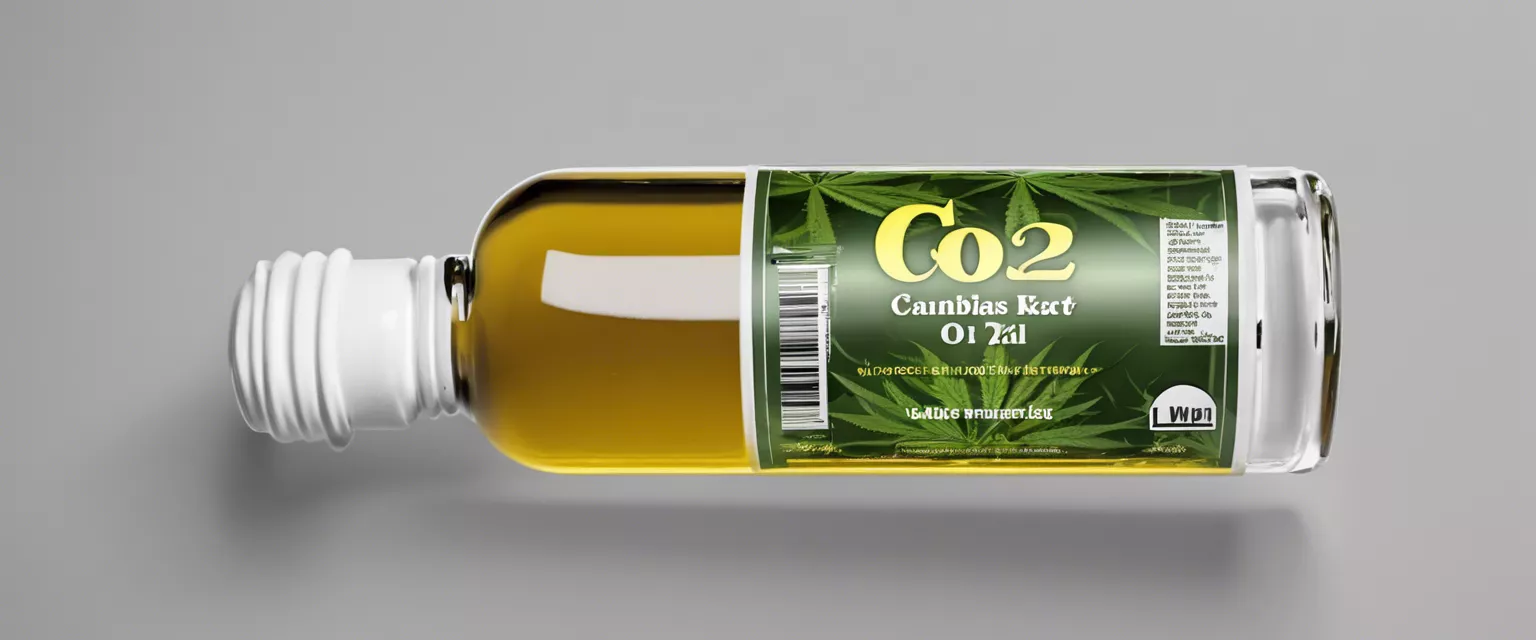
CO2 oil represents a premium cannabis extract produced through supercritical or subcritical carbon dioxide extraction, yielding clean, potent concentrates free from residual solvents while preserving the plant’s complex cannabinoid and terpene profiles. This extraction method has become synonymous with high-quality, medical-grade cannabis products due to CO2’s ability to selectively extract desired compounds without introducing harmful contaminants. The resulting oil typically appears as a golden to amber viscous liquid, containing 50-90% total cannabinoids depending on processing parameters and starting material.
The versatility of CO2 oil stems from the tunability of the extraction process, where adjusting temperature and pressure allows producers to create diverse product profiles from the same starting material. This adaptability enables manufacturers to produce everything from terpene-rich, full-spectrum oils that maintain the entourage effect to highly refined, nearly pure cannabinoid distillates. The absence of residual solvents makes CO2 oil particularly suitable for medical applications, vaporizer cartridges, and edible products where purity standards are paramount.
Contemporary significance of CO2 oil in legal cannabis markets reflects consumer demand for clean, consistent, and potent products backed by transparent production methods. As the industry matures, CO2 oil has established itself as a premium product category, commanding higher prices than many other extraction methods while setting standards for quality and safety. Understanding the production, characteristics, and applications of CO2 oil proves essential for industry professionals, medical practitioners, and educated consumers navigating an increasingly sophisticated cannabis marketplace where extraction method significantly impacts product quality and effects.
Cannabinoid profiles in CO2 oil typically showcase high concentrations of major cannabinoids while preserving minor compounds often lost in other extraction methods. Full-spectrum CO2 oils maintain ratios similar to the source material, with THC or CBD dominance depending on starting genetics. The extraction process allows for decarboxylation control, enabling producers to maintain acidic cannabinoids (THCA, CBDA) or convert to neutral forms. Minor cannabinoids like CBG, CBC, and CBN often concentrate during extraction, potentially enhancing therapeutic effects. Post-processing refinement can further concentrate specific cannabinoids, with some CO2 oils reaching 90%+ purity for single compounds.
Terpene retention in CO2 oil varies significantly based on extraction parameters, with subcritical extraction preserving more volatile compounds than supercritical methods. Low-temperature, low-pressure subcritical extraction can capture monoterpenes typically lost in other processes, creating aromatic oils true to the source strain. However, standard supercritical extraction often strips lighter terpenes, requiring reintroduction for full-spectrum products. Advanced fractional extraction systems can separate terpene fractions for later recombination. The presence of sesquiterpenes and other heavier aromatic compounds contributes to CO2 oil’s characteristic smooth, refined flavor profile distinct from hydrocarbon extracts.
Non-cannabinoid components in CO2 oil include waxes, lipids, and chlorophyll, whose presence depends on extraction conditions and post-processing. Higher pressure extraction pulls more undesirable compounds, necessitating winterization for vaping applications. The selective nature of CO2 can minimize chlorophyll extraction compared to ethanol, resulting in lighter-colored oils. Beneficial compounds like flavonoids may be preserved depending on parameters. Understanding the complete composition enables producers to optimize for specific applications, whether prioritizing purity for vaporizers or maintaining full-plant complexity for therapeutic products.
Viscosity characteristics of CO2 oil range from honey-like consistency to nearly solid at room temperature, primarily determined by cannabinoid concentration and wax content. Raw CO2 oil typically exhibits high viscosity due to dissolved waxes and long-chain cannabinoids. Temperature dramatically affects flow properties, with warming to body temperature significantly reducing viscosity. This temperature sensitivity impacts product formulation, particularly for vaporizer cartridges requiring specific flow characteristics. Winterization removes waxes, reducing viscosity and improving clarity. Understanding viscosity enables proper formulation for different delivery methods.
Color variations in CO2 oil span from pale yellow to deep amber, indicating extraction parameters and post-processing extent. Lighter colors generally suggest lower temperature extraction and minimal chlorophyll content. Darker oils may contain more full-spectrum compounds but could indicate excessive extraction or degradation. The golden color prized in premium CO2 oil results from optimal extraction preserving cannabinoids while minimizing undesirable pigments. Color stability during storage indicates product quality, with darkening suggesting oxidation or degradation. These visual characteristics help assess quality and guide purchasing decisions.
Stability profiles of CO2 oil generally exceed other extract types due to the absence of residual solvents and reduced oxidation during processing. The inert nature of CO2 prevents oxidative degradation during extraction. However, concentrated cannabinoids remain susceptible to light and heat degradation. Proper storage in dark, cool conditions maintains potency for 12-24 months. The presence of natural antioxidants from the extraction process may enhance stability. Crystallization of high-concentration oils can occur during storage, particularly with CBD-rich products. Understanding stability guides proper storage and shelf-life determination.
Temperature control during CO2 oil production critically impacts both yield and quality, with different ranges optimal for various product goals. Subcritical extraction below 31°C preserves volatile terpenes but reduces cannabinoid extraction efficiency. Moderate supercritical temperatures (31-50°C) balance terpene retention with cannabinoid yield. Higher temperatures (50-80°C) maximize cannabinoid extraction but may degrade sensitive compounds. Temperature ramping strategies can fractionate extraction, collecting terpenes at low temperatures before increasing for cannabinoids. Precise control prevents unwanted decarboxylation or degradation. Understanding temperature effects enables customized extraction for specific product profiles.
Pressure variations directly control CO2 density and thus solvent strength, with typical ranges from 1000-5000 PSI for cannabis extraction. Lower pressures (1000-1500 PSI) in subcritical range selectively extract terpenes and lighter compounds. Moderate pressures (2000-3000 PSI) efficiently extract cannabinoids while limiting wax co-extraction. High pressures (3500-5000 PSI) maximize yields but pull more undesirable compounds requiring post-processing. Pressure programming during extraction can separate compound classes. The relationship between pressure and selectivity guides parameter selection for desired oil characteristics. Equipment limitations and safety considerations constrain maximum operating pressures.
Time factors in CO2 extraction balance completeness with efficiency and operating costs. Typical extraction cycles range from 2-8 hours depending on scale and parameters. Initial extraction removes easily accessible compounds, with diminishing returns over time. Extended extraction may increase yield marginally while consuming significant CO2 and energy. Pulsed extraction techniques can improve efficiency by periodically depressurizing to enhance mass transfer. Multiple passes with fresh CO2 sometimes prove more efficient than single extended runs. Optimizing extraction time requires balancing yield, quality, and economic factors.
Residual solvent absence represents CO2 oil’s primary quality advantage, as CO2 completely evaporates at atmospheric pressure leaving no harmful residues. Unlike hydrocarbon or ethanol extraction requiring extensive purging, CO2 oil inherently meets stringent residual solvent standards. This purity makes CO2 oil ideal for medical patients, particularly those with compromised immune systems or respiratory conditions. Analytical testing confirms absence of all solvents, not just CO2. The clean extraction process eliminates concerns about benzene, hexane, or other contaminants sometimes found in poorly purged extracts. This inherent purity justifies premium pricing in medical and health-conscious markets.
Contaminant profiles in CO2 oil generally show lower levels of pesticides and heavy metals compared to other extraction methods. The selective nature of CO2 extraction can leave some contaminants in the plant material rather than concentrating them in oil. However, any contaminants present in source material may still transfer to oil. Rigorous testing requirements include pesticide panels, heavy metals, and microbials. The closed-loop nature of CO2 systems prevents environmental contamination during processing. Quality CO2 oil producers emphasize clean source material and comprehensive testing. These purity advantages position CO2 oil as the premium safety choice.
Consistency achievements through CO2 extraction enable batch-to-batch uniformity crucial for medical and branded products. Precise parameter control yields reproducible cannabinoid and terpene profiles. Automated systems with data logging ensure process repeatability. In-line testing during extraction can verify consistency in real-time. Standard operating procedures for each product type maintain quality. This consistency contrasts with more variable extraction methods dependent on operator technique. Pharmaceutical companies particularly value CO2 oil’s reproducibility for drug development. Brand loyalty develops when consumers can rely on consistent effects.
Vaporizer cartridges represent the largest market segment for CO2 oil, leveraging its purity and flow characteristics ideal for inhalation products. Winterized CO2 oil provides appropriate viscosity for modern cartridge hardware without cutting agents. The absence of residual solvents ensures clean vapor production. Strain-specific cartridges preserve original terpene profiles when using subcritical extraction. Some producers reintroduce cannabis-derived terpenes to enhance flavor. Premium positioning of CO2 oil cartridges commands higher prices than distillate alternatives. Consumer education about CO2 advantages drives market growth. Technological advances in cartridge design optimize CO2 oil performance.
Tincture formulations utilize CO2 oil’s purity and potency for sublingual and oral applications. The concentrated nature allows effective dosing in small volumes. Carrier oil dilution creates appropriate concentrations for medical dosing. Full-spectrum CO2 oils provide entourage effects in tincture format. The clean extraction process appeals to health-conscious consumers avoiding alcohol-based tinctures. Precise cannabinoid profiles enable consistent dosing crucial for medical applications. Flavoring options mask cannabis taste while maintaining purity. These products bridge traditional herbal medicine with modern extraction technology.
Edible applications leverage CO2 oil’s activated cannabinoids and clean profile for infused food and beverage products. Decarboxylated CO2 oil provides immediate bioavailability without additional processing. The neutral flavor profile integrates well into various food matrices. Precise potency enables accurate dosing in manufactured products. Water-soluble formulations using CO2 oil and emulsification technology expand beverage applications. Regulatory compliance favors solvent-free extracts for food use. Shelf stability of CO2 oil supports commercial edible production. This versatility makes CO2 oil a preferred ingredient for premium edibles.

