
×
Remove product
Remove item from cart?

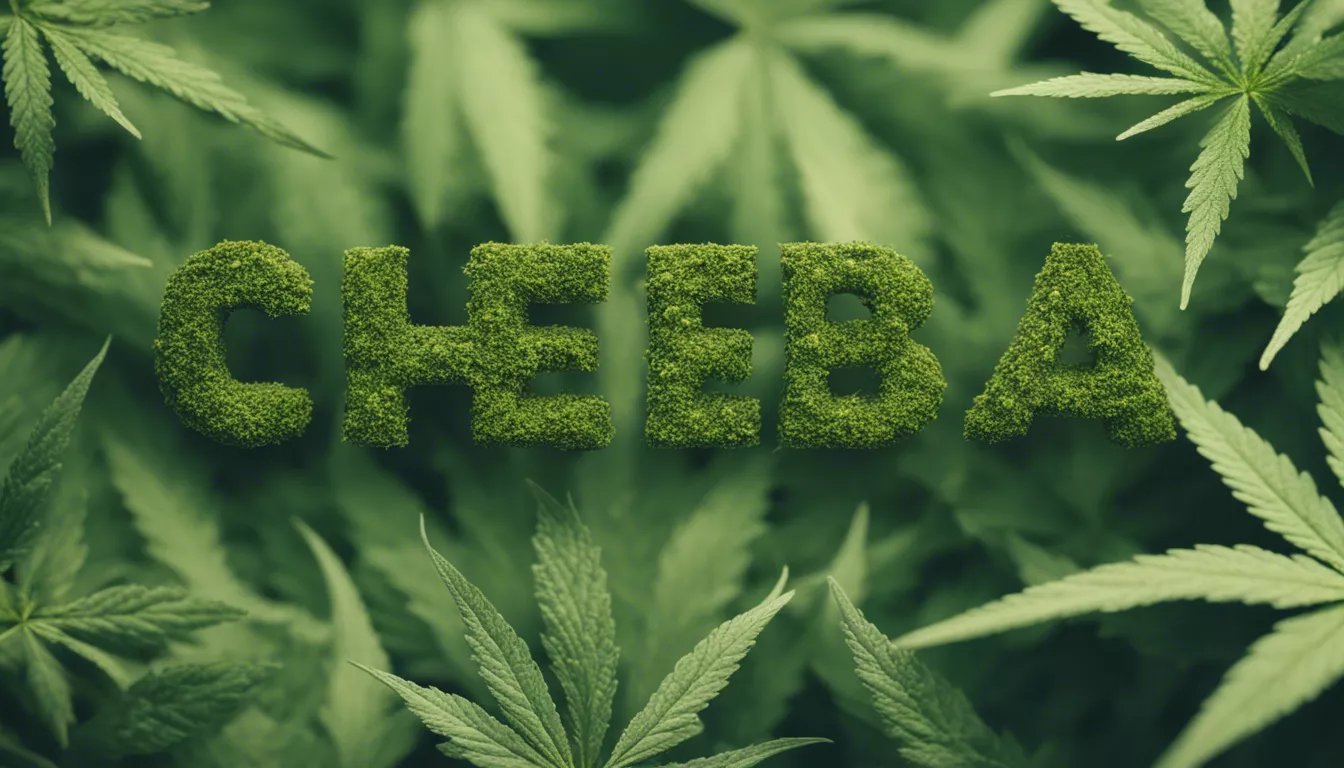
Cheeba represents a classic piece of cannabis vernacular that emerged from Latino communities and gained widespread adoption through hip-hop culture, serving as both a playful euphemism for marijuana and a cultural marker of cannabis’s integration into diverse communities. This term, believed to derive from the Spanish “chiva” (meaning heroin) but repurposed for cannabis, illustrates the fluid nature of drug slang and how terms migrate between substances and cultures. The word’s journey from regional slang to mainstream recognition through music and media demonstrates cannabis culture’s powerful influence on language evolution.
The linguistic appeal of “cheeba” lies in its phonetic playfulness and cultural authenticity, offering a softer, more approachable alternative to clinical terms or harder-edged street slang. Its usage peaked during the 1970s and 1980s, particularly in urban areas with significant Latino populations, before spreading through popular culture via movies, music, and comedy. Artists like Tone Loc and films like Cheech and Chong’s works helped cement cheeba in the cannabis lexicon, though its usage has declined in recent decades as legalization brings more standardized terminology.
Contemporary relevance of cheeba reflects generational and cultural divides in cannabis terminology, with older users and specific cultural communities maintaining its usage while younger consumers gravitate toward newer slang or technical terms. The word serves as a linguistic time capsule, preserving a particular era of cannabis culture when coded language was necessary for safety and community identification. Understanding terms like cheeba provides insight into cannabis’s cultural history and the communities that shaped modern marijuana culture, even as legalization reduces the need for such euphemistic language.
Linguistic roots of cheeba trace through complex pathways of cultural exchange and semantic shift, demonstrating how drug terminology evolves through community usage. The most accepted etymology links cheeba to Mexican Spanish slang, possibly derived from “chiva” or related terms, though the exact pathway remains debated among linguists. The transformation from terms associated with other substances to cannabis-specific usage reflects common patterns in drug slang evolution. Some theories suggest Portuguese or African linguistic influences through cultural mixing in urban areas. The word’s phonetic structure, with its soft consonants and pleasing rhythm, contributed to its adoption across language barriers.
Geographic emergence centers primarily in Southwest United States and urban areas with significant Latino populations during the mid-20th century. Los Angeles, New York, and other metropolitan areas with diverse communities served as incubators for the term’s development and spread. Border regions showed early adoption, suggesting cross-cultural exchange in terminology. The term’s movement from Spanish-speaking communities to broader usage demonstrates cannabis culture’s role in linguistic integration. Military veterans returning from Latin America may have contributed to spread patterns. This geographic distribution influenced regional variations in pronunciation and usage.
Cultural adoption accelerated through the 1970s as cheeba moved from insider terminology to broader recognition through cultural production. Early lowrider culture and Latino cultural movements incorporated the term into artistic expression. The word’s appearance in underground comics, graffiti, and early hip-hop demonstrated its cultural currency. Integration into African American Vernacular English expanded usage beyond Latino communities. Cross-cultural adoption reflected cannabis’s role as a social bridge between communities. This linguistic migration paralleled broader patterns of cultural exchange in urban America during the civil rights era.
Musical proliferation of cheeba through hip-hop, funk, and Latin music genres embedded the term deeply in popular consciousness. Tone Loc’s “Cheeba Cheeba” and numerous hip-hop references throughout the 1980s and 1990s brought mainstream attention. Reggae and dancehall artists adopted the term, adding Caribbean influences to its usage. Latin rock and Chicano rap maintained cultural authenticity while spreading the term. The word’s rhythmic qualities made it particularly suitable for musical incorporation. Sampling culture preserved and propagated classic cheeba references to new generations. This musical legacy ensures continued recognition even as active usage declines.
Cinematic representation in stoner comedies and urban dramas of the 1970s and 1980s captured cheeba’s cultural moment for posterity. Cheech and Chong’s films, while not exclusively using the term, contributed to its association with cannabis comedy. Blaxploitation and Latino-focused films incorporated authentic street terminology including cheeba. Independent films documenting urban life preserved linguistic authenticity. The term’s appearance in dialogue marked characters as culturally connected insiders. Documentary footage from the era provides evidence of real-world usage patterns. This media preservation creates a permanent record of cheeba’s cultural significance.
Comedy influence through stand-up routines and sketch comedy helped normalize and spread cheeba beyond its original communities. Richard Pryor, George Lopez, and other comedians incorporated authentic street language including cheeba. Comedy albums preserved pronunciation and contextual usage for linguistic study. The term’s humorous potential in wordplay and cultural commentary enhanced its appeal. Latino comedians particularly used cheeba to explore cultural identity and generational differences. Comedy’s role in making taboo subjects approachable facilitated broader acceptance. This comedic legacy influences how subsequent generations understand and contextualize the term.
Latino heritage connections to cheeba reflect complex relationships between language, identity, and substance use within marginalized communities. The term’s origins in Spanish-speaking communities created cultural ownership distinct from mainstream cannabis terminology. Usage patterns reflected generational differences, with older community members often disapproving while youth embraced it. The word became a marker of bicultural identity for many Latino Americans navigating multiple cultural contexts. Community discussions about drug terminology revealed broader tensions about assimilation and cultural preservation. Cheeba’s evolution mirrors larger patterns of how immigrant communities adapt and transform language.
Cross-cultural bridge functions of cheeba demonstrated cannabis’s role in facilitating social connections across ethnic and racial boundaries. Shared terminology created common ground between diverse urban communities. The term’s adoption by non-Latino users required cultural navigation and respect for origins. Hip-hop culture’s embrace of cheeba exemplified productive cultural exchange. Usage patterns revealed social networks and cultural fluency. The word functioned as a passport between different cultural spaces. This bridging role highlights cannabis culture’s historically inclusive nature despite broader social segregation.
Resistance symbolism embedded in cheeba usage reflected broader patterns of linguistic rebellion against mainstream authority. Using culturally specific terminology asserted community identity against assimilation pressures. The term’s illegibility to authorities provided practical security benefits. Generational transmission of slang maintained cultural continuity. Cheeba represented authentic street knowledge versus official discourse. The word’s persistence despite declining usage demonstrates cultural preservation instincts. This resistance aspect connects to broader patterns of how marginalized communities use language for protection and identity.
Generational divides in cheeba usage create clear demarcations between cannabis culture eras, with the term serving as a linguistic marker of age and cultural background. Millennials and Gen Z rarely use cheeba except ironically or when referencing older media. Gen X maintains some usage, particularly those with connections to hip-hop culture. Baby boomers who came of age during cheeba’s peak show highest usage rates. The term’s datedness can mark speakers as out of touch or authentically old school. Intergenerational cannabis conversations reveal these linguistic gaps. This divide illustrates how quickly drug slang evolves and dates itself.
Regional persistence of cheeba shows stronger retention in areas with historical Latino populations and cultural continuity. Southwest cities maintain higher usage rates than other regions. Urban areas with long-standing cannabis cultures preserve older terminology. Rural areas that missed the term’s original spread show minimal contemporary usage. Border regions demonstrate unique bilingual usage patterns. Cultural enclaves preserve terminology through community transmission. This geographic variation maps onto broader patterns of cultural preservation and change. Understanding regional differences helps contextualize contemporary encounters with the term.
Nostalgic revival through retro cultural products and throwback references keeps cheeba circulating in contemporary discourse. Streaming platforms’ classic content exposes new audiences to historical terminology. Vintage cannabis branding occasionally references cheeba for authenticity. Social media memes repurpose old slang for humorous effect. Cannabis museums and cultural exhibitions preserve linguistic history. Older influencers sharing stories maintain oral traditions. This nostalgic circulation differs qualitatively from active usage but ensures continued recognition. The pattern reflects broader trends in cultural recycling and historical preservation.
Linguistic navigation using terms like cheeba demonstrates sophisticated code-switching abilities within multilingual and multicultural communities. Speakers select terminology based on audience, setting, and desired cultural positioning. Professional contexts require different vocabulary than social situations. Age-appropriate terminology shifts between generational groups. Cultural insider status influences word choice. Bilingual speakers navigate additional complexity in terminology selection. This code-switching skill represents valuable cultural capital in diverse societies. Understanding these dynamics helps appreciate the social intelligence embedded in slang usage.
Authority evasion through euphemistic terms like cheeba served practical security functions during prohibition eras. Unfamiliar terminology delayed law enforcement recognition and response. Cultural specificity provided additional protection through linguistic barriers. The playful sound reduced perceived threat levels during encounters. Community understanding of coded language facilitated safe communication. Evolution of terminology responded to law enforcement adaptation. This cat-and-mouse dynamic drove continuous linguistic innovation. Historical understanding of these patterns provides context for contemporary legalization debates.
In-group signaling via cheeba usage established cultural credentials and community membership beyond simple substance references. Proper pronunciation and contextual usage demonstrated authentic cultural knowledge. Misuse by outsiders marked cultural boundaries. Subtle variations in usage patterns revealed subcultural affiliations. The term functioned as cultural capital in specific contexts. Generational teaching of proper usage maintained traditions. This signaling function extends beyond cannabis to broader cultural literacy. Recognition of these patterns helps understand how communities maintain boundaries through language.

