
×
Remove product
Remove item from cart?

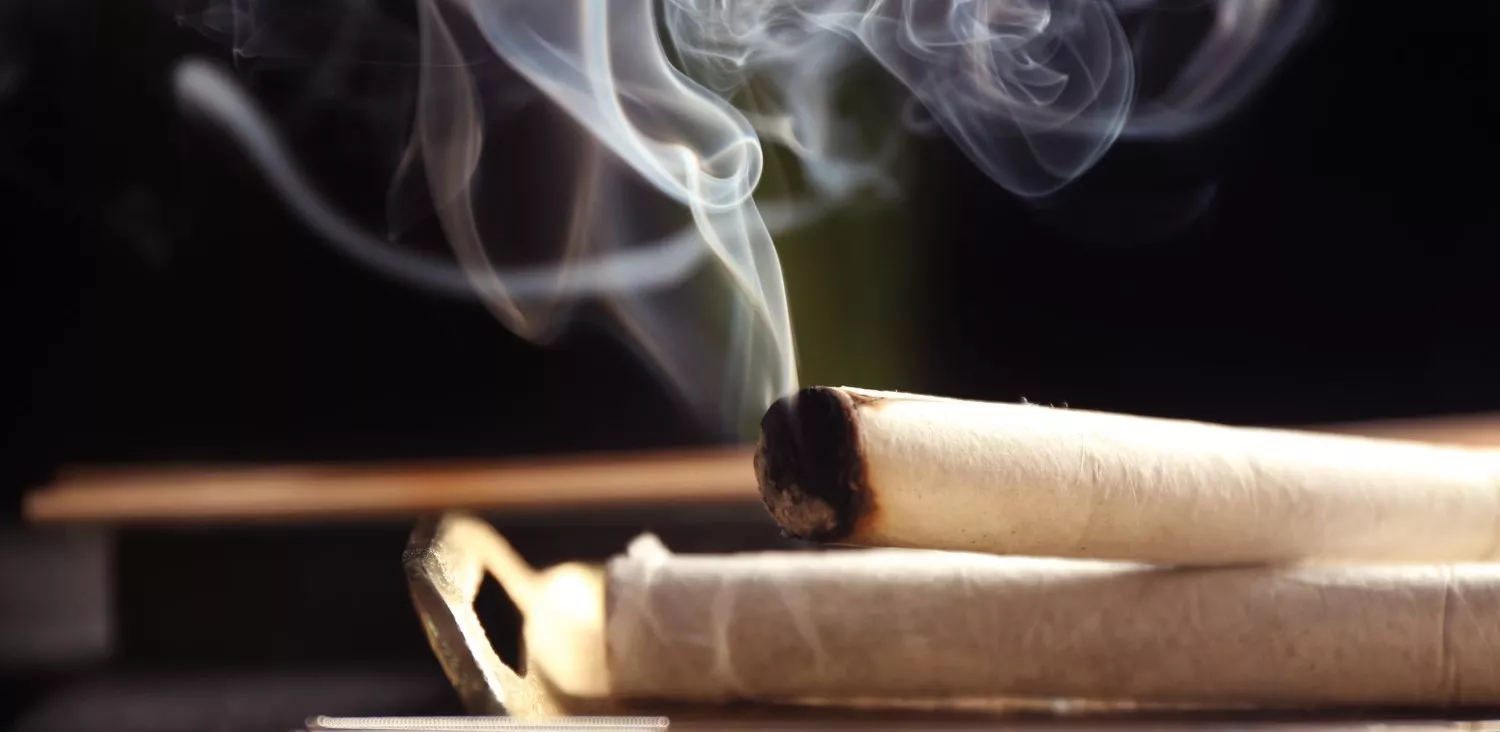
Cannon in cannabis culture refers to an oversized joint, blunt, or smoking device designed for group consumption or special occasions, typically containing multiple grams of flower and engineered for extended smoking sessions. This term captures both the impressive size and powerful impact of these supersized smoking implements, which have become symbols of celebration, abundance, and communal cannabis consumption. The cannon represents cannabis culture’s tendency toward excess and spectacle, where standard consumption methods are amplified to create memorable experiences and social media moments.
The evolution of cannons from practical group-smoking solutions to Instagram-worthy creations reflects broader changes in cannabis culture as legalization reduces stigma and enables open display of consumption. These oversized creations range from simple multi-gram joints to elaborate constructions incorporating multiple strains, concentrates, and artistic rolling techniques that push the boundaries of traditional smoking methods. Professional rollers and cannabis influencers have elevated cannon creation to an art form, with some pieces containing ounces of flower and requiring hours of preparation.
Contemporary cannon culture intersects with social media, cannabis tourism, and event marketing, where these impressive smoking devices serve as both functional consumption tools and powerful marketing symbols. Understanding cannons requires appreciating their role in group dynamics, special occasions, and the broader spectacle of modern cannabis culture, while also recognizing the practical challenges and safety considerations inherent in consuming large quantities of cannabis in single sessions.
Building cannabis cannons requires advanced rolling skills and specialized techniques that go far beyond standard joint construction. The foundation typically involves multiple papers adhered together using natural gums or specialized rolling glues, creating sheets large enough to accommodate substantial quantities of flower. Professional builders often use bamboo mats or custom rolling tools to maintain consistent pressure and shape throughout the construction process. The internal structure may incorporate multiple smaller joints or “tributaries” that feed into the main chamber, ensuring even airflow despite the massive size.
Material selection for cannons emphasizes quality and consistency, as uneven burning can ruin the experience and waste expensive product. Builders typically use medium-grind flower with consistent moisture content, avoiding stems and overly dense nugs that might impede airflow. Some incorporate hash, kief, or concentrate layers for potency boosts, though this requires careful placement to prevent runs and maintain structural integrity. The outer wrap might feature artistic elements like gold rolling papers, hemp leaves, or intricate patterns created with different colored papers, elevating the visual impact.
Engineering considerations become critical as cannon size increases, with builders calculating optimal diameter-to-length ratios for maintainable draws and even combustion. Internal supports using glass tips, wooden skewers, or rolled cardboard prevent collapse during construction and consumption. Some advanced designs incorporate multiple mouthpieces for simultaneous group smoking, percolation chambers for cooling, or segmented construction allowing partial consumption. The curing process after construction allows moisture equalization throughout the cannon, improving burn consistency and preventing common issues like canoeing or running.
Lighting and maintaining cannons presents unique challenges requiring coordinated effort and specific techniques to ensure even combustion. Initial lighting often involves multiple flame sources applied simultaneously around the circumference, with some groups using torches or hemp wick ropes for consistent ignition. The “chief” or designated lighter must rotate the cannon continuously during early stages to establish an even cherry, preventing runs that can waste product and create harsh smoke. Proper technique involves gentle, consistent draws rather than aggressive pulling that can cause overheating and coughing fits.
Group smoking protocols for cannons evolved from practical necessity into ritualized social practices that enhance the communal experience. Traditional passing follows clockwise or counterclockwise patterns with designated rest periods allowing the cannon to cool between rounds. Some groups implement “puff-puff-pass” variations accounting for the cannon’s intensity, while others prefer individual hit counts based on tolerance levels. The social dynamics require consideration for varying experience levels, with veteran smokers often coaching newcomers on proper technique and pacing to prevent overwhelming experiences.
Safety considerations during cannon sessions extend beyond individual tolerance to include environmental factors and group responsibility. Adequate ventilation becomes crucial as cannons produce substantial smoke volumes that can quickly overwhelm indoor spaces. Hydration stations and comfortable seating arrangements support extended sessions, while designated non-smoking assistants help manage logistics and monitor participant wellbeing. Some groups implement “tap-out” protocols allowing graceful exit from rotation without social pressure, recognizing that cannon potency can exceed individual comfort levels. Emergency protocols including water, fresh air access, and transportation arrangements ensure safety during these intense consumption experiences.
The origins of cannabis cannons trace back to communal smoking traditions where resource sharing and group bonding necessitated larger formats than individual joints. Early iterations in 1960s counterculture involved simple multi-paper constructions designed to serve entire gatherings efficiently when cannabis was scarce and expensive. These practical solutions evolved through decades of prohibition, where clandestine consumption encouraged quick, efficient group sessions that minimized exposure time. The tradition carried particular significance in activist circles where communal cannons symbolized unity and shared risk in challenging unjust laws.
Hip-hop culture’s embrace of cannabis excess in the 1990s transformed cannons from utilitarian objects into status symbols and artistic expressions. Influential artists showcased increasingly elaborate smoking devices in music videos and performances, inspiring fans to push creative boundaries. The competitive aspect emerged as rollers challenged each other to create larger, more complex constructions, with underground competitions judging both technical skill and artistic merit. This period established many conventions still followed today, including naming traditions, photographic documentation, and the association of cannons with celebration and success.
Legalization era developments revolutionized cannon culture by removing legal risks and enabling open documentation and sharing of creations. Social media platforms, particularly Instagram and YouTube, created global audiences for cannon artists who previously operated in local scenes. Professional rollers emerged as cannabis industry specialists, charging premium prices for custom cannons at events and private parties. The commercialization brought standardization and safety improvements while maintaining the countercultural authenticity that gives cannons their enduring appeal. This evolution from hidden tradition to celebrated art form reflects broader cannabis normalization trends.
Cannon sessions create unique social bonds through shared intense experiences that differ qualitatively from standard group smoking. The collaborative nature of planning, funding, and constructing cannons builds anticipation and investment before consumption begins. During sessions, participants navigate altered states together, creating memorable moments and inside jokes that strengthen social connections. The vulnerability of experiencing intense effects in group settings fosters trust and intimacy among participants. These shared experiences often become legendary within social circles, retold and embellished as part of group identity formation.
Hierarchical dynamics within cannon culture reflect expertise, tolerance, and social capital, with experienced participants often assuming leadership roles. The roller or creator holds special status, particularly if known for quality constructions, while the person funding or providing materials gains social recognition. During consumption, natural hierarchies emerge based on tolerance and experience, with veterans helping guide newcomers through intense experiences. These dynamics can reinforce positive mentorship and community support, though they may also create pressure to exceed personal limits or exclude those with lower tolerance or resources.
Inclusivity challenges arise as cannon culture’s emphasis on excess can alienate moderate users or those avoiding high-dose experiences. The financial burden of contributing to cannon sessions may exclude lower-income participants from full social inclusion. Medical users with specific dosing needs might find cannon sessions incompatible with therapeutic regimens. Progressive cannon circles address these issues by creating alternative participation methods, such as photo documentation roles, designated driver positions, or parallel smaller sessions for moderate users. Balancing spectacular excess with inclusive practices remains an ongoing evolution in cannon culture.
Professional cannon rolling services emerged as legitimate businesses in legal markets, with skilled artisans commanding premium prices for custom creations. Event packages including cannon construction demonstrations, group sessions, and photography create comprehensive experiences for bachelor parties, celebrations, and cannabis tourism. Some dispensaries employ house rollers who create display cannons and offer construction classes, driving traffic and building brand loyalty. Partnerships between rollers and cultivators showcase premium flower in spectacular formats, justifying higher price points through the added value of expert construction and presentation.
Product development inspired by cannon culture includes specialized rolling papers, multi-gram pre-rolls, and accessories designed for oversized formats. Companies produce extra-large cones, reinforced papers, and custom filters specifically for cannon construction. Concentrate-infused cannon products push potency boundaries while maintaining structural integrity through proprietary techniques. Limited edition cannons featuring rare strains or celebrity collaborations create collector’s items commanding exceptional prices. The cannon-inspired product category continues expanding as manufacturers recognize the marketing power and profit margins of spectacular cannabis formats.
Marketing implications of cannon culture extend beyond direct sales to brand building and social media engagement. Dramatic cannon content generates viral reach exceeding traditional advertising, with time-lapse construction videos and group session documentation driving millions of views. Brands sponsor cannon artists and events, associating themselves with cannabis culture’s spectacular side. However, responsible marketing requires balancing impressive content with consumption warnings and emphasis on special occasion use. The tension between leveraging cannon culture’s marketing power and promoting responsible consumption shapes how brands navigate this space.

