
×
Remove product
Remove item from cart?

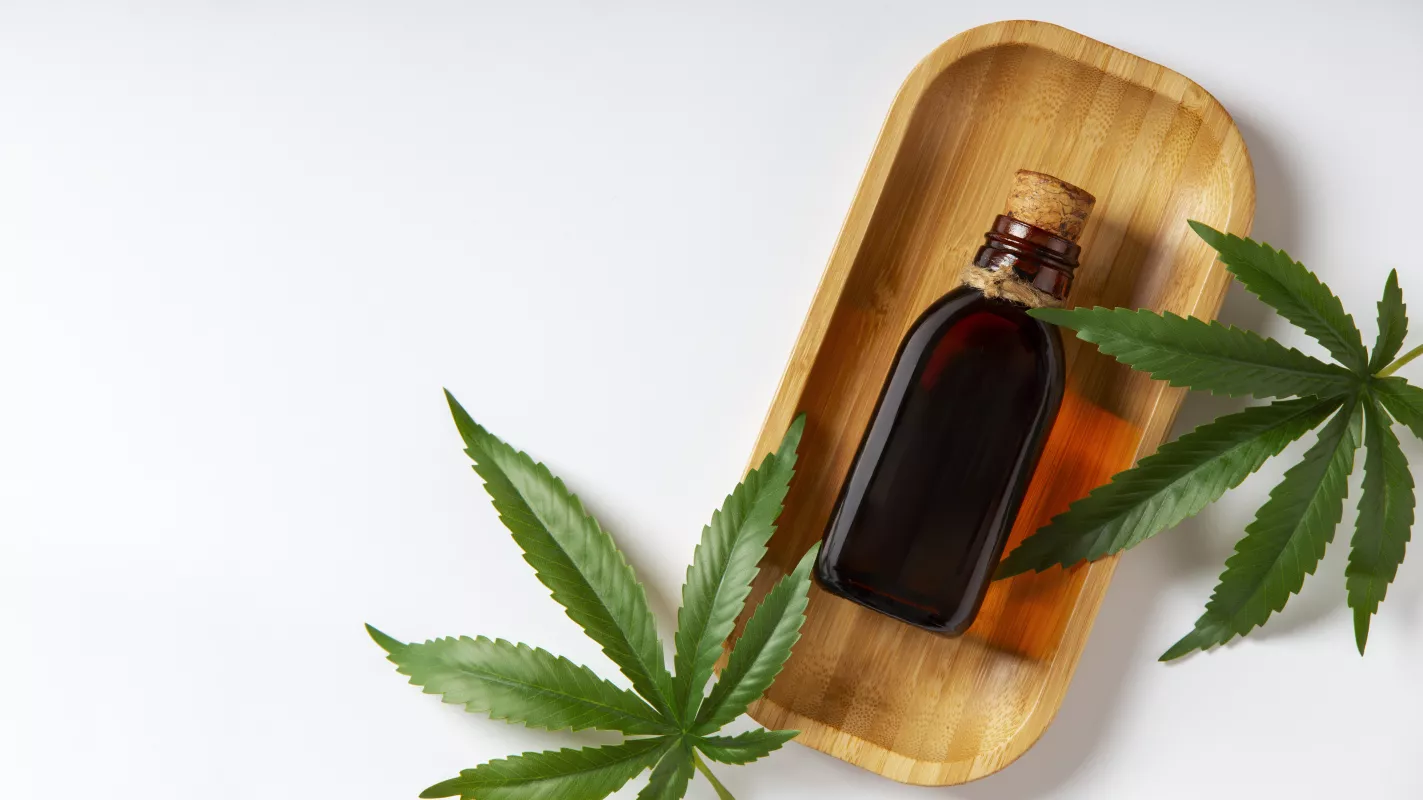
Alcohol extraction represents one of the oldest and most versatile methods for creating cannabis concentrates, utilizing ethanol’s unique properties as both a polar and non-polar solvent to efficiently extract cannabinoids, terpenes, and other valuable compounds from plant material. This time-tested technique spans from simple home tincture preparation to sophisticated commercial operations producing pharmaceutical-grade extracts, demonstrating remarkable scalability and adaptability. The method’s endurance through centuries of use testifies to its effectiveness, safety when properly executed, and ability to preserve the full spectrum of cannabis compounds.
The scientific elegance of alcohol extraction lies in ethanol’s molecular structure, which enables it to dissolve both water-soluble and fat-soluble compounds, creating comprehensive extracts that capture cannabis’s complex chemistry. Unlike hydrocarbon solvents that primarily target non-polar compounds, ethanol’s amphiphilic nature extracts cannabinoids, terpenes, flavonoids, and chlorophyll, requiring careful process control to achieve desired selectivity. This broad extraction capability makes alcohol particularly suitable for full-spectrum products, though it also necessitates additional refinement steps for certain applications.
Commercial evolution of alcohol extraction in the cannabis industry reflects broader trends toward pharmaceutical standards and environmental sustainability. Food-grade ethanol’s GRAS (Generally Recognized as Safe) status provides regulatory advantages, while its recovery and reuse potential addresses economic and environmental concerns. As the industry matures, alcohol extraction occupies a unique position bridging artisanal tradition with modern technology, offering paths from craft tinctures to industrial-scale pharmaceutical manufacturing.
Cold ethanol extraction operates at temperatures between -40°C and -80°C, exploiting selective solubility to minimize chlorophyll and wax extraction while efficiently capturing cannabinoids and terpenes. Cryogenic conditions preserve volatile compounds typically lost in warmer processes. Pre-freezing both plant material and solvent separately optimizes extraction selectivity. Short contact times of 3-5 minutes prevent excessive chlorophyll pickup. Multiple quick washes yield cleaner extracts than single extended soaks. Winterization occurs simultaneously, precipitating waxes for easy removal. This method produces golden extracts suitable for vape cartridges and high-clarity concentrates.
Room temperature extraction balances efficiency with simplicity, operating between 20-25°C for versatile product creation. Extended soak times from hours to weeks enable thorough extraction for traditional tinctures. Agitation accelerates extraction without heat degradation. This method extracts broader compound profiles including chlorophyll, creating darker, full-spectrum products. Simple equipment requirements make this accessible for smaller operations. Product applications include Rick Simpson Oil (RSO), traditional tinctures, and topical preparations where chlorophyll presence isn’t detrimental.
Warm extraction techniques utilize temperatures between 60-78°C (ethanol’s boiling point) for rapid, complete extraction. Heat accelerates solubility and mass transfer, reducing extraction time to minutes. Reflux systems prevent ethanol loss while maintaining temperature. This approach maximizes yield but extracts everything including undesirable compounds. Post-processing refinement becomes essential for quality products. Applications include initial crude extraction for distillation, maximum yield requirements, and industrial-scale processing where downstream purification is planned.
Tincture production represents alcohol extraction’s most traditional application, creating sublingual products with rapid onset and precise dosing. Ethanol serves dual roles as extraction solvent and carrier medium. Concentration flexibility allows potencies from micro-dose to high-strength formulations. Alcohol’s antimicrobial properties provide natural preservation. Flavor additions mask cannabis taste for improved palatability. Glycerin conversion creates alcohol-free options. Standardization ensures consistent dosing across batches. This versatility makes tinctures ideal for medical patients requiring reliable administration methods.
Full Extract Cannabis Oil (FECO) production through alcohol extraction creates potent, whole-plant medicines retaining therapeutic compound synergies. Complete extraction captures cannabinoids, terpenes, flavonoids, and beneficial plant compounds. Careful evaporation preserves heat-sensitive components. Dark, viscous consistency indicates comprehensive extraction. Oral syringes enable precise dosing for medical applications. Patients report superior efficacy compared to isolated compounds. Production scales from personal medicine making to commercial manufacturing. This application honors traditional whole-plant medicine principles.
Distillate feedstock preparation utilizes alcohol’s broad extraction capabilities for subsequent refinement. Initial extraction captures all available compounds efficiently. Winterization removes waxes and lipids. Activated carbon treatment reduces color. Rotary evaporation recovers ethanol while concentrating extract. Short-path distillation separates cannabinoids from remaining impurities. This two-stage process maximizes cannabinoid recovery while achieving high purity. Alcohol extraction’s completeness provides ideal starting material for distillation.
Fire prevention in alcohol extraction demands comprehensive strategies addressing ethanol’s flammability throughout the process. Class C1D1 or C1D2 explosion-proof equipment specifications prevent ignition sources. Vapor detection systems trigger ventilation and shutdown procedures. Grounding and bonding prevents static discharge. Hot work permits control maintenance activities. Emergency shower and eyewash stations address exposure risks. Fire suppression systems use appropriate extinguishing agents. Regular safety training reinforces protocols. These measures create multiple protection layers against fire hazards.
Ventilation engineering ensures safe vapor management through calculated air exchange rates exceeding regulatory minimums. Explosion-proof exhaust fans create negative pressure environments. Fresh air makeup prevents recirculation. Vapor capture systems recover ethanol while preventing accumulation. Continuous monitoring verifies ventilation effectiveness. Emergency purge capabilities rapidly clear spaces. Airflow patterns prevent dead zones where vapors accumulate. Professional design ensures code compliance while optimizing efficiency.
Personal protective equipment requirements protect workers from ethanol exposure through comprehensive barriers. Chemical-resistant gloves prevent skin absorption. Safety glasses with side shields protect against splashes. Flame-resistant clothing reduces burn risks. Respiratory protection addresses vapor exposure during high-concentration activities. Face shields add protection during transfer operations. Safety footwear prevents slips and chemical exposure. Regular equipment inspection ensures continued protection. Training emphasizes proper use and limitations.
Ethanol grade selection significantly impacts extract quality and regulatory compliance. USP/NF grade ensures pharmaceutical purity standards. Food-grade 190-proof (95%) or 200-proof (100%) options balance cost with quality. Denatured alcohol’s additives render products unsuitable for consumption. Organic certification appeals to premium markets. Water content affects extraction selectivity—absolute ethanol minimizes water-soluble extraction. Consistent supplier quality prevents batch variations. Certificate of analysis verification ensures specification compliance.
Chlorophyll management strategies minimize green coloration while preserving desired compounds. Cold extraction temperatures reduce initial chlorophyll solubility. Activated carbon filtration selectively removes chlorophyll post-extraction. Light exposure during processing degrades chlorophyll naturally. pH adjustment affects chlorophyll stability and removal. Competing approaches balance chlorophyll reduction with compound preservation. Market preferences vary—some value chlorophyll’s presence, others demand clarity.
Residual solvent testing ensures product safety through validated analytical methods. Gas chromatography quantifies ethanol levels precisely. Regulatory limits typically allow 5,000 ppm for ethanol as Class 3 solvent. Proper purging techniques achieve levels below 1,000 ppm. Vacuum ovens accelerate solvent removal at low temperatures. Thin-film evaporation maximizes surface area for efficient purging. Testing at multiple process stages ensures compliance. Documentation supports quality assurance programs.
Licensing requirements for alcohol extraction vary significantly by jurisdiction but typically involve multiple agencies. Federal TTB (Alcohol and Tobacco Tax and Trade Bureau) permits address ethanol procurement and use. State cannabis licenses authorize extraction activities. Local fire marshal approvals confirm safety compliance. Building permits cover facility modifications. Environmental permits address emissions and waste. Insurance requirements often exceed other extraction methods. Compliance complexity necessitates professional consultation.
Record keeping obligations track ethanol from procurement through disposal, satisfying both cannabis and alcohol regulations. Purchase records document ethanol sources and quantities. Usage logs track extraction batches and volumes. Recovery data demonstrates environmental responsibility. Disposal records confirm proper waste handling. Cannabis track-and-trace systems integrate ethanol usage. TTB reporting requirements add complexity. Automated systems streamline compliance while reducing errors.
Tax implications of ethanol use in cannabis extraction create unique financial considerations. Federal excise tax exemptions require specific permit types and usage documentation. State alcohol taxes may apply depending on jurisdiction. Cannabis tax calculations must account for ethanol costs. Recovery and reuse affect tax obligations. Denatured alcohol avoids beverage alcohol taxes but limits applications. Professional tax guidance optimizes structures while ensuring compliance.
Continuous flow extraction systems promise increased efficiency and consistency compared to batch processing. Inline monitoring enables real-time process adjustment. Counter-current flow maximizes extraction efficiency. Automated solvent recovery integrates seamlessly. Reduced residence times preserve volatile compounds. Consistent product quality improves batch-to-batch variation. Smaller equipment footprints optimize facility usage. Energy efficiency improves through heat recovery. These systems represent extraction’s industrial evolution.
Green chemistry initiatives drive sustainable alcohol extraction innovations. Bio-based ethanol from renewable sources reduces carbon footprint. Solvent recycling achieves 95%+ recovery rates. Energy recovery from evaporation processes improves efficiency. Water usage minimization addresses scarcity concerns. Waste stream valorization creates additional revenue. Life cycle assessments guide process optimization. Carbon-neutral operations become achievable. These advances align with cannabis industry sustainability goals.
The future of alcohol extraction in cannabis likely involves technological sophistication while maintaining the method’s fundamental advantages. Automation reduces labor while improving consistency. Integration with upstream and downstream processes creates efficient workflows. Real-time quality analysis enables process optimization. Blockchain documentation ensures supply chain transparency. Pharmaceutical standards become industry baseline. As markets mature, alcohol extraction’s versatility positions it as a cornerstone technique, adaptable from artisanal craft to industrial pharmaceutical production, bridging tradition with innovation in cannabis processing.

