
×
Remove product
Remove item from cart?

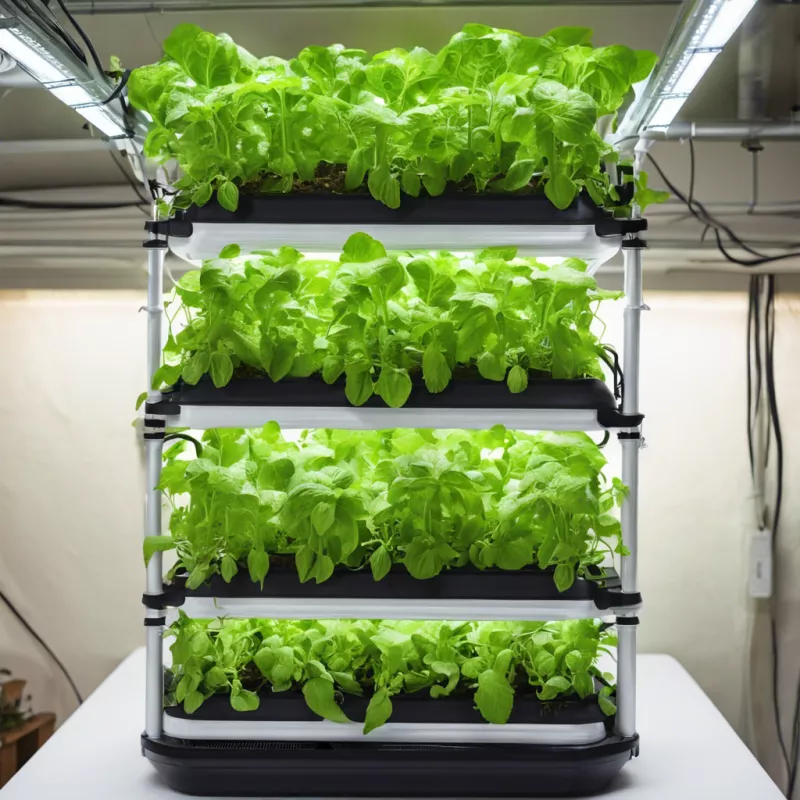
Aeroponics represents the pinnacle of soilless cannabis cultivation technology, suspending plant roots in air while delivering nutrients through precisely timed misting cycles that maximize oxygen availability and nutrient uptake efficiency. This advanced growing method pushes the boundaries of what’s possible in cannabis production, achieving growth rates up to 50% faster than soil and 30% faster than traditional hydroponics while using 95% less water. The technique’s elegance lies in its biomimicry of ideal root conditions—constant access to oxygen, nutrients, and moisture without the constraints of growing media.
The scientific foundation of aeroponic success rests on understanding root physiology and optimizing the gaseous exchange that drives cellular respiration and nutrient transport. When roots hang freely in air, every surface area can engage in gas exchange, dramatically increasing metabolic efficiency. The intermittent misting creates a hyperoxic environment where roots develop extensive networks of fine feeder roots, maximizing absorption capacity. This optimization of the root zone translates directly to accelerated vegetative growth, shortened flowering periods, and increased cannabinoid production.
Commercial adoption of aeroponics in cannabis cultivation reflects the industry’s maturation toward precision agriculture and sustainable practices. While initial investment and technical expertise requirements exceed traditional methods, the returns in productivity, quality, and resource efficiency justify the complexity for serious cultivators. As cannabis markets become more competitive and environmentally conscious, aeroponic systems offer a path to premium product differentiation while minimizing ecological footprint, positioning early adopters at the forefront of cultivation innovation.
High-pressure aeroponic systems deliver nutrient solutions through specialized nozzles creating droplets between 20-50 microns, optimal for root absorption. Pump pressures typically range from 60-90 PSI, requiring robust equipment designed for continuous operation. Accumulator tanks maintain consistent pressure despite pump cycling. Solenoid valves control precise timing, typically misting for 3-5 seconds every 3-5 minutes during vegetative growth. Nozzle selection critically impacts droplet size and distribution pattern. Stainless steel or ceramic nozzles resist clogging better than plastic alternatives.
Low-pressure systems operate at 15-30 PSI, producing larger droplets that provide adequate results with reduced complexity and cost. Standard aquarium pumps suffice for smaller operations. Spray patterns tend toward coarser misting rather than true fog. Timing cycles adjust to compensate for less efficient absorption, typically running longer duration mists. While growth rates don’t match high-pressure systems, low-pressure aeroponics still outperforms traditional hydroponics. This approach suits hobbyists and smaller commercial operations balancing performance with practicality.
Ultrasonic fogger systems represent cutting-edge aeroponic technology, using piezoelectric transducers to create sub-5-micron droplets. No pumps or nozzles eliminate clogging concerns. Fog density adjusts through transducer frequency modulation. Root chambers maintain nearly 100% humidity without oversaturation. Energy efficiency exceeds traditional pumping systems. However, heat generation requires cooling considerations, and mineral buildup on transducers demands regular maintenance. These systems show promise for pharmaceutical-grade cannabis production.
Cloning applications showcase aeroponics’ superiority for rapid root development. Suspended cuttings receive optimal moisture without stem rot risks. Root initiation occurs 40-60% faster than rockwool or soil methods. Visual root development monitoring enables precise transplant timing. Success rates exceed 95% with proper environmental controls. Automated misting eliminates labor-intensive manual misting. Commercial operations report 7-10 day rooting cycles compared to 14-21 days in traditional media. The clean root systems transplant with minimal shock.
Vegetative growth in aeroponic systems demonstrates remarkable acceleration due to unrestricted root expansion and optimal nutrient availability. Plants develop extensive white root masses resembling coral formations. Stem thickness increases 30-40% compared to soil-grown counterparts. Internodal spacing remains tight despite rapid growth. Nutrient uptake efficiency allows reduced fertilizer concentrations. pH stability improves with proper system design. Transplant timing flexibility accommodates production scheduling. These advantages compound throughout the growth cycle.
Flowering performance benefits from established root systems’ superior nutrient delivery capacity. Bud development initiates earlier with more flowering sites. Trichome density increases due to optimized mineral uptake. Terpene expression enhances from reduced plant stress. Harvest windows extend as plants maintain vigor longer. Flush periods shorten due to absence of media-stored nutrients. Final yields typically exceed soil grows by 30-45%. Quality metrics including cannabinoid content show consistent improvement.
Nutrient solution management in aeroponics requires precision due to direct root contact and absence of buffering media. EC levels run 25-30% lower than hydroponic standards due to improved uptake efficiency. pH maintenance between 5.5-6.2 optimizes nutrient availability. Dissolved oxygen levels above 8 ppm enhance root health. Temperature control between 65-72°F prevents pathogen proliferation. Chelated micronutrients ensure availability in solution. Reservoir changes every 7-10 days maintain solution integrity. Automated dosing systems maintain parameters within narrow ranges.
Environmental control integration maximizes aeroponic advantages through synchronized management of root and shoot zones. Root chamber temperatures 5-8°F below ambient optimize metabolism. Humidity control prevents excessive transpiration stress. CO2 enrichment capitalizes on enhanced growth capacity. Light intensity increases accommodate faster growth without stretching. Air circulation prevents boundary layer formation around leaves. VPD optimization drives transpiration and nutrient flow. These synergies multiply individual factor benefits.
System redundancy ensures crop protection given aeroponics’ vulnerability to equipment failure. Backup pumps activate automatically upon primary failure. Battery backup systems maintain misting during power outages. Multiple nozzles per plant prevent single-point failures. Reservoir level sensors prevent dry running. Leak detection systems minimize water damage. Remote monitoring enables rapid response. Investment in redundancy protects against catastrophic losses that could occur within hours of system failure.
Capital investment for aeroponic systems significantly exceeds traditional cultivation methods but returns justify costs through increased productivity. Complete systems range from $50-200 per plant position depending on sophistication. High-pressure pumps represent major expenses requiring periodic replacement. Control systems and sensors add substantial costs. Installation requires skilled technicians familiar with pressurized systems. However, yield increases of 30-45% and shortened crop cycles improve ROI. Premium product pricing for aeroponic-grown cannabis enhances profitability.
Operational efficiencies offset higher initial costs through reduced resource consumption and labor requirements. Water usage decreases 90-95% compared to soil cultivation. Nutrient costs reduce 30-40% due to improved efficiency. No growing media eliminates ongoing substrate expenses. Automated systems reduce labor 50-70% for routine tasks. Integrated pest management improves with soilless environment. Space utilization increases through vertical growing configurations. These savings compound over multiple crop cycles.
Market positioning leverages aeroponic cultivation as premium differentiator appealing to quality-conscious consumers. Marketing emphasizes technological sophistication and environmental benefits. Lab results showcase superior cannabinoid and terpene profiles. Clean cultivation story resonates with health-focused demographics. Consistency appeals to medical patients requiring reliable products. Sustainability narrative attracts environmentally conscious consumers. Premium pricing supported by tangible quality differences. Brand building around innovation creates loyal customer base.
Technical complexity requires skilled personnel capable of troubleshooting sophisticated systems. Staff training investments ensure proper operation and maintenance. Standard operating procedures document critical processes. Preventive maintenance schedules minimize unexpected failures. Partnerships with equipment manufacturers provide technical support. Remote monitoring allows expert consultation without site visits. Automation reduces dependency on individual expertise. Knowledge management systems capture institutional learning.
Pathogen management in aeroponic systems demands vigilance due to rapid spread potential in shared nutrient solutions. UV sterilization in recirculation loops prevents pathogen proliferation. Beneficial microorganism inoculation creates competitive exclusion. Hydrogen peroxide additions provide oxidative protection. System sanitization between crops eliminates carryover contamination. Water quality testing identifies problems early. Quarantine protocols isolate affected plants quickly. Integrated approaches provide multiple protection layers.
Power reliability criticalness necessitates comprehensive backup strategies beyond typical cultivation operations. Generator systems sized for full operation, not just emergency lighting. Uninterruptible power supplies bridge generator startup gaps. Redundant utility feeds where available reduce outage risks. Solar integration provides sustainable backup options. Water storage maintains misting capability during pump failures. Emergency protocols ensure rapid response to failures. Insurance policies specific to aeroponic risks protect investments.
Automation advancement promises to address aeroponics’ complexity through intelligent systems managing multiple parameters simultaneously. Machine learning algorithms optimize misting cycles based on growth stage and environmental conditions. Computer vision monitors root health and adjusts nutrients accordingly. Robotic maintenance systems clean nozzles and check components. Predictive analytics forecast equipment failures before occurrence. Cloud-based management enables remote operation of multiple facilities. These technologies democratize aeroponic cultivation beyond technical specialists.
Genetic optimization for aeroponic cultivation develops varieties maximizing the method’s unique advantages. Root architecture selection favors extensive fine root development. Nutrient uptake efficiency becomes breeding priority. Growth rate optimization targets aeroponic conditions specifically. Stress tolerance for occasional system fluctuations improves reliability. Cannabinoid production enhancement leverages superior nutrition delivery. Terpene expression maximization utilizes optimal growing conditions. These specialized genetics multiply aeroponic benefits.
The future of aeroponics in cannabis cultivation likely involves continued technological refinement reducing complexity while maintaining performance advantages. Integration with renewable energy systems addresses sustainability concerns. Modular designs enable scalable implementation from craft to industrial levels. Cost reductions through manufacturing scale make systems accessible to smaller operations. Standardization simplifies maintenance and part replacement. As the cannabis industry matures toward agricultural efficiency, aeroponics represents the convergence of horticultural science and engineering precision, offering a glimpse of cultivation’s high-tech future where roots dance in air and plants reach their full genetic potential.

