×
Remove product
Remove item from cart?
Sold & Shipped by: BIRCH+FOG










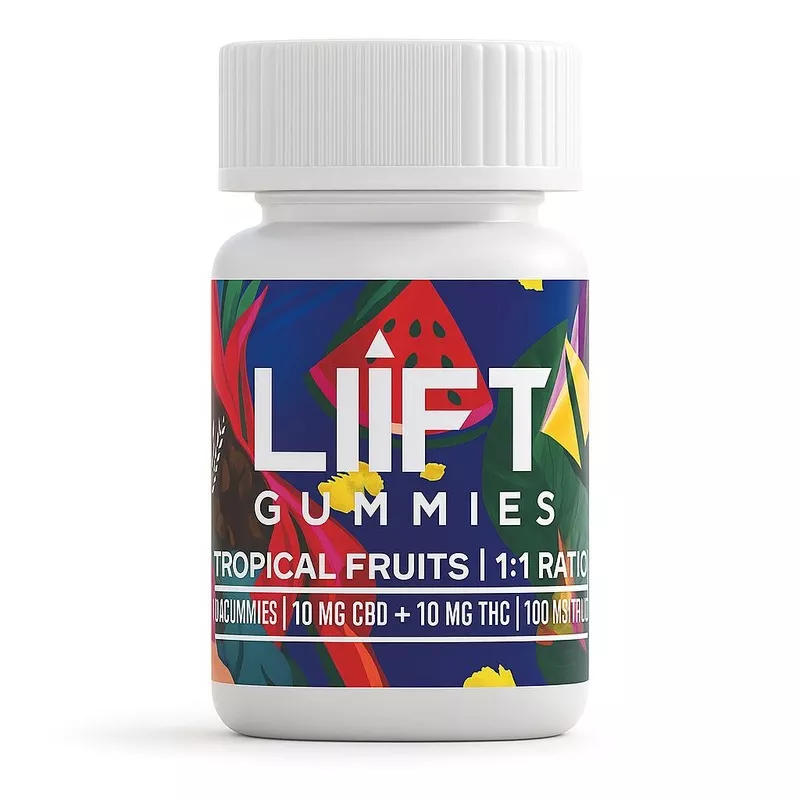
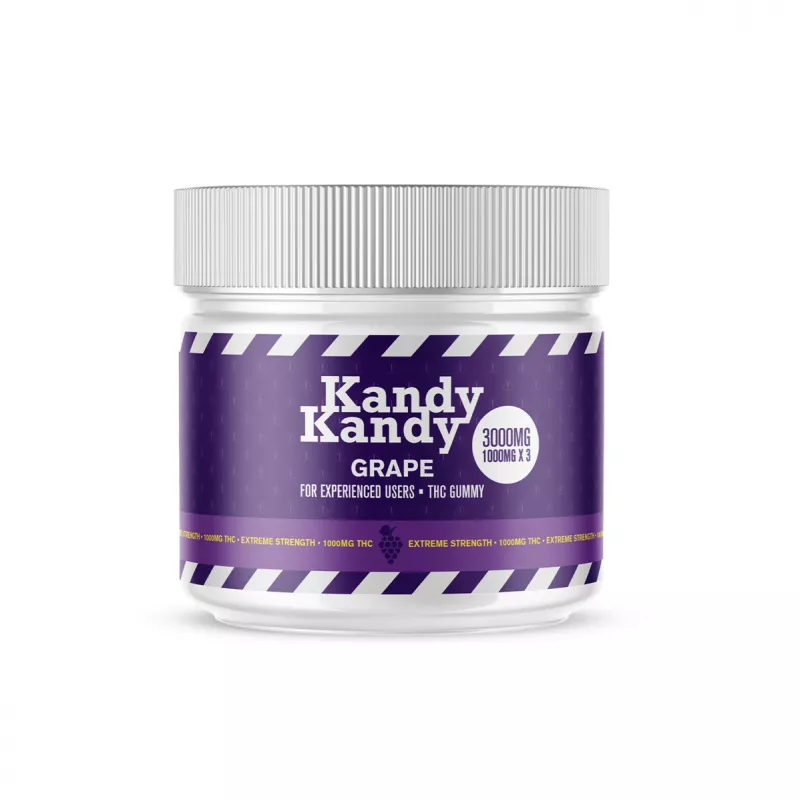
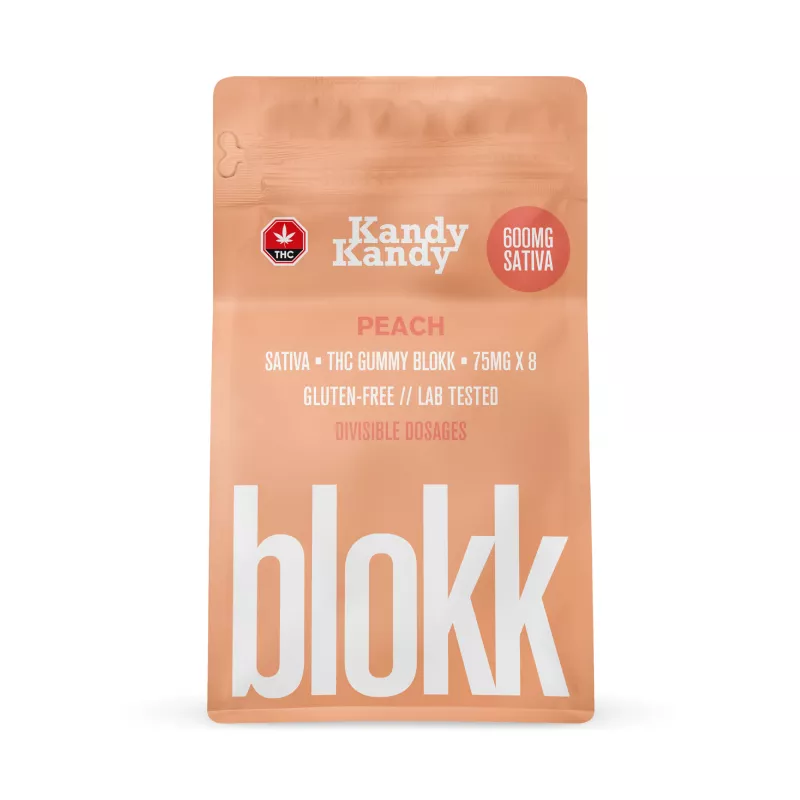
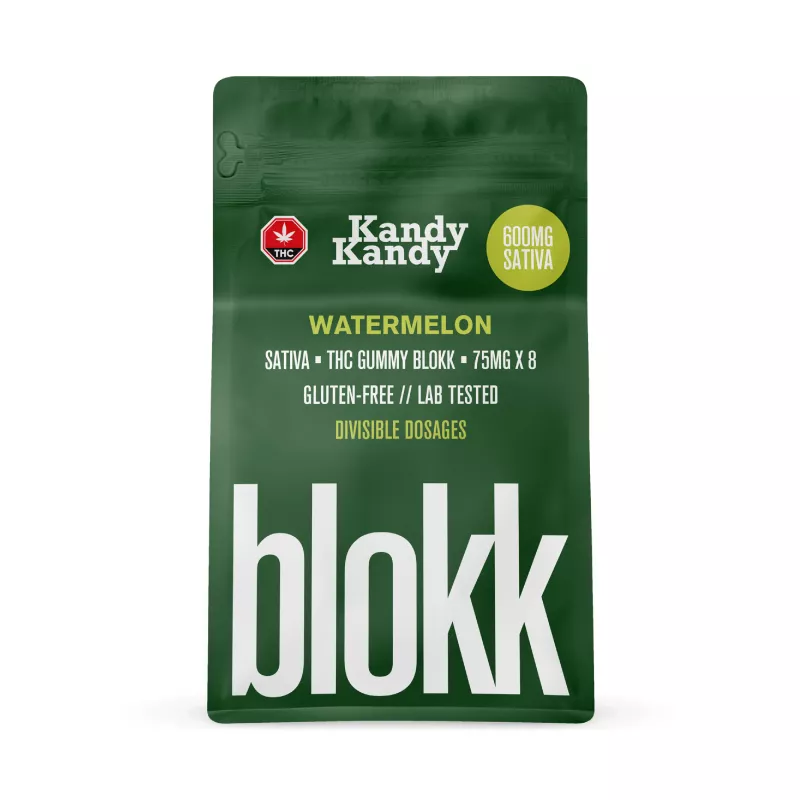
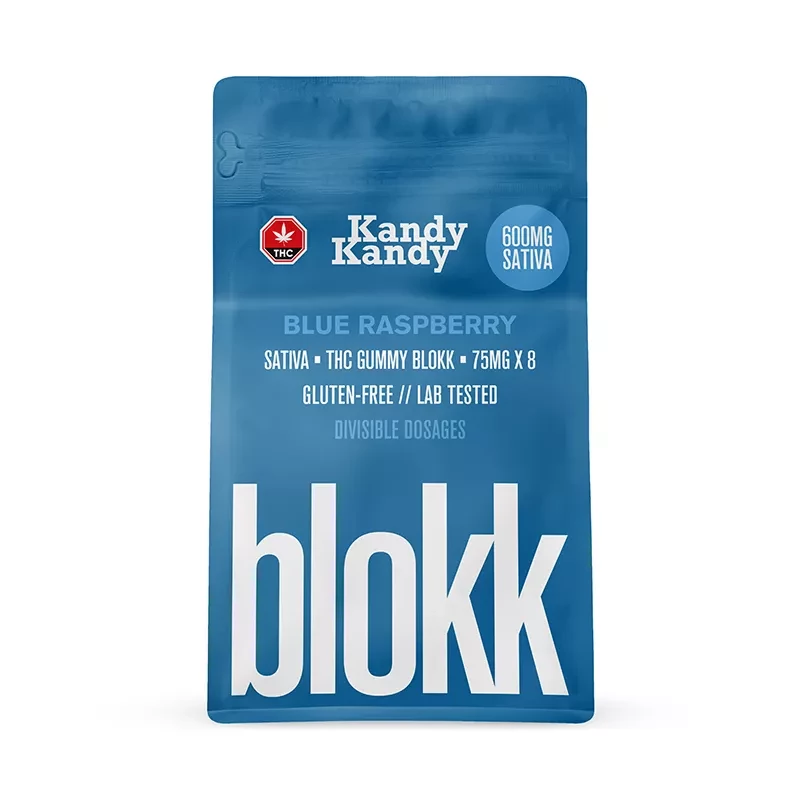
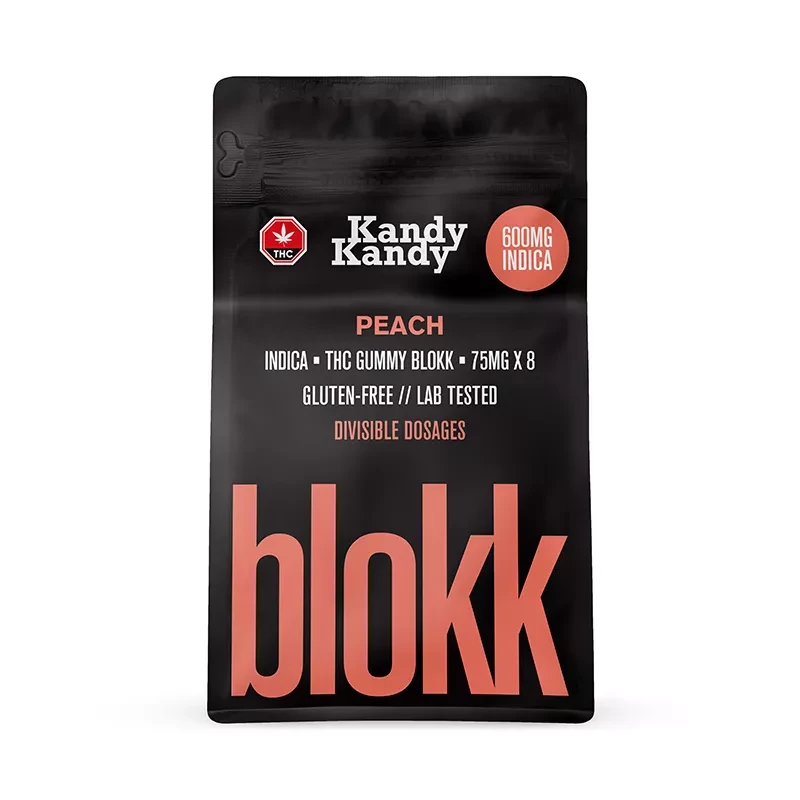
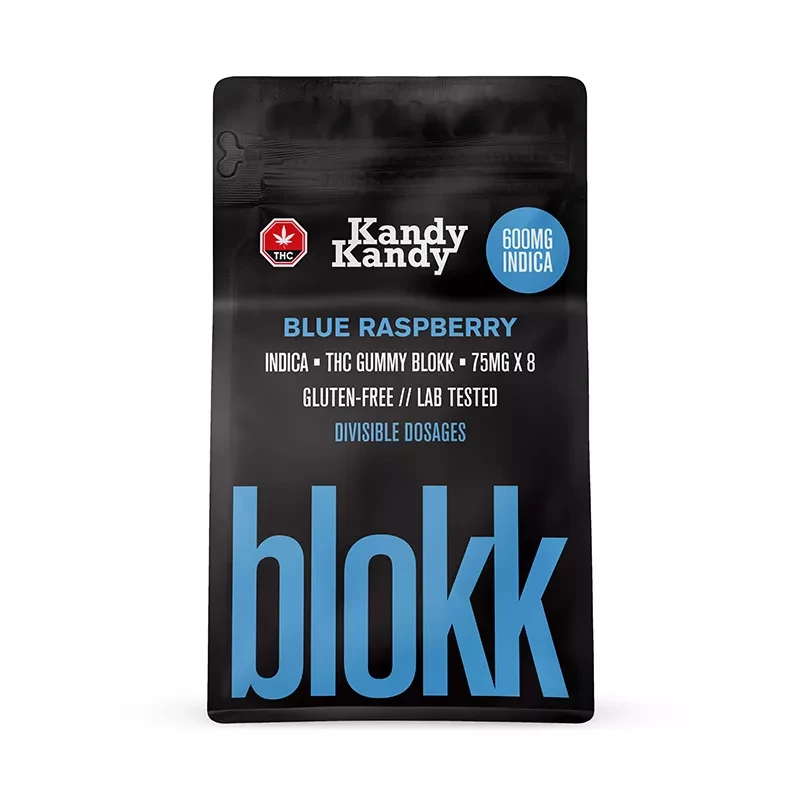
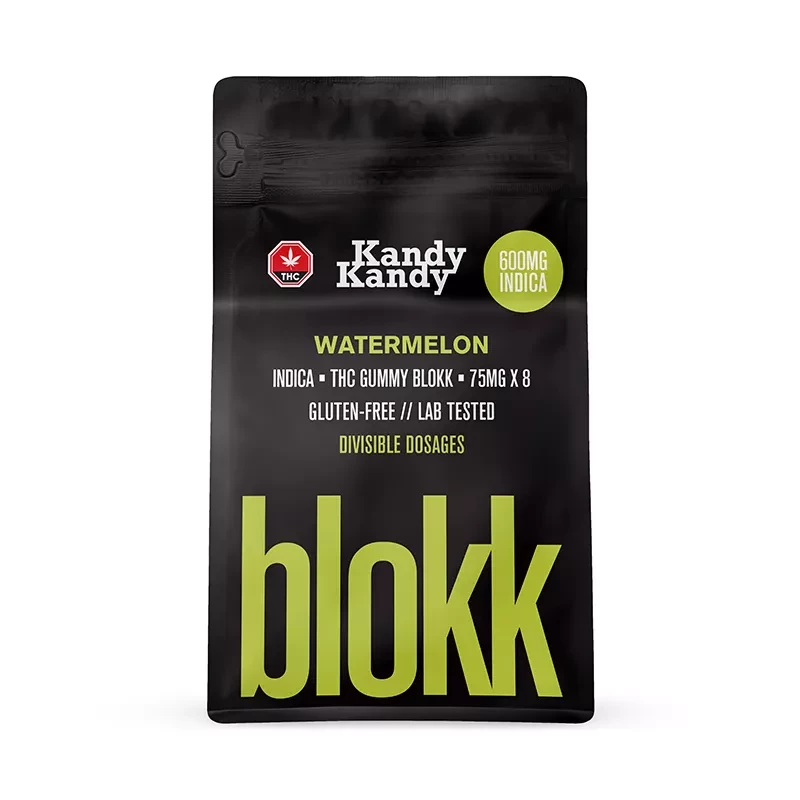









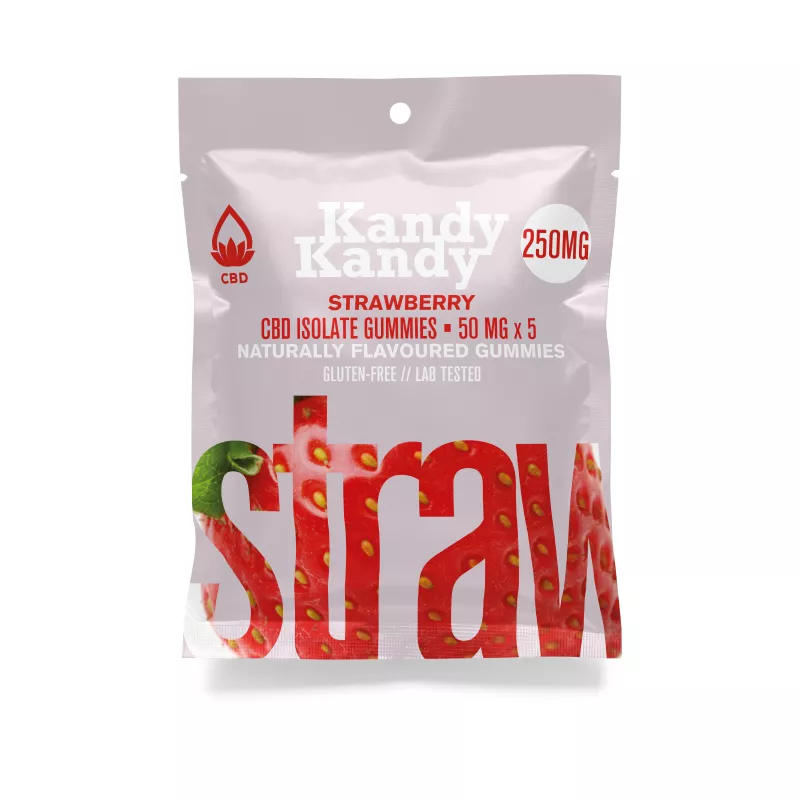
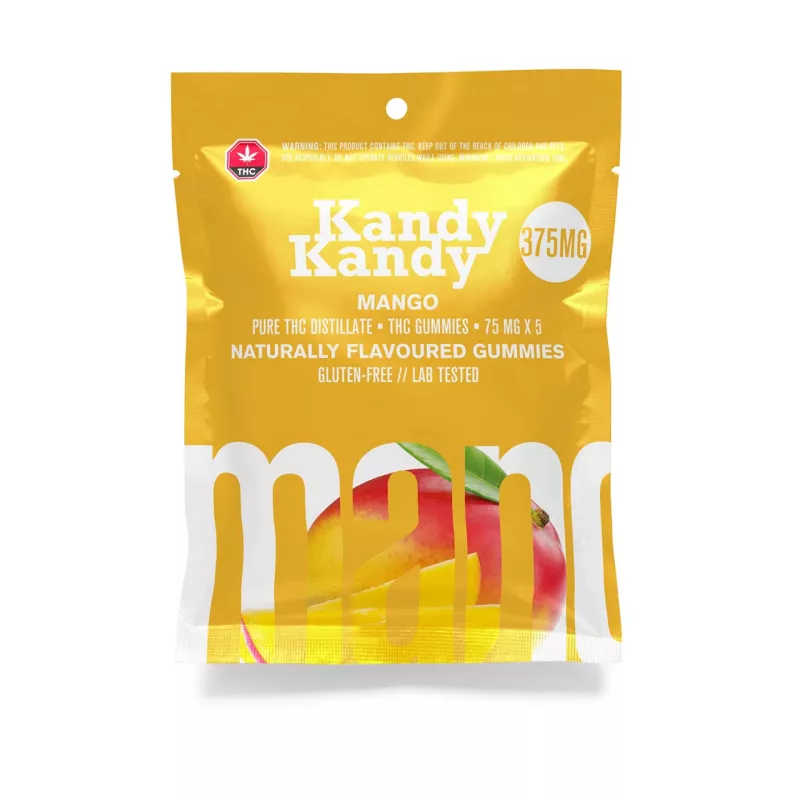
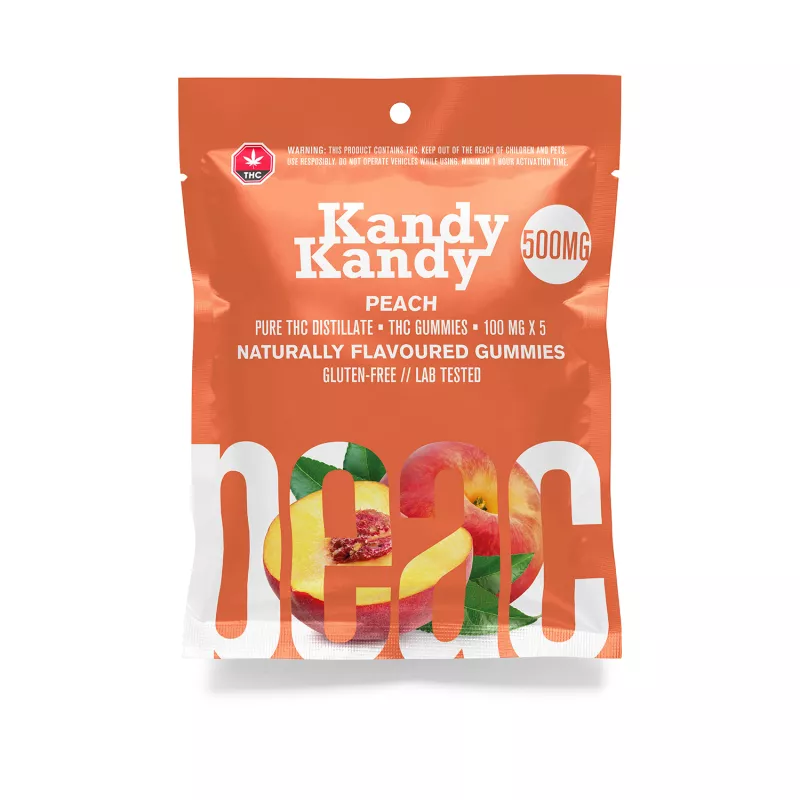
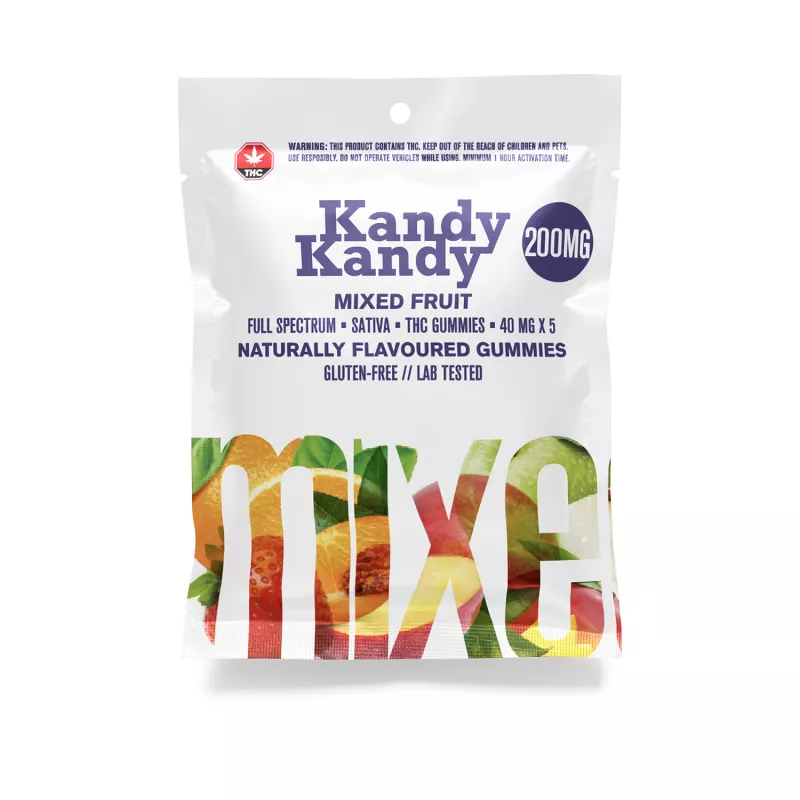
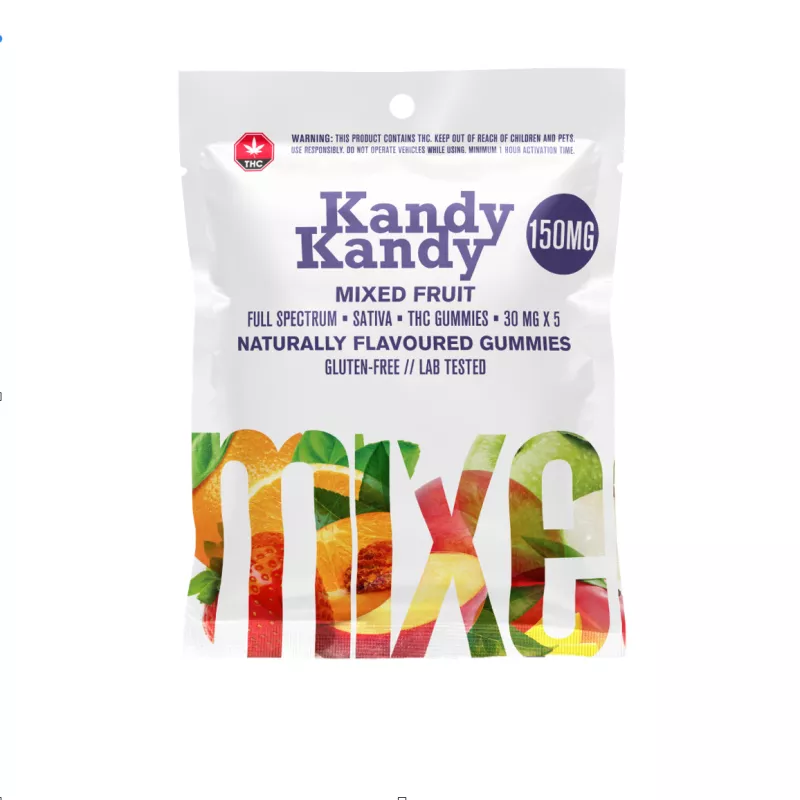
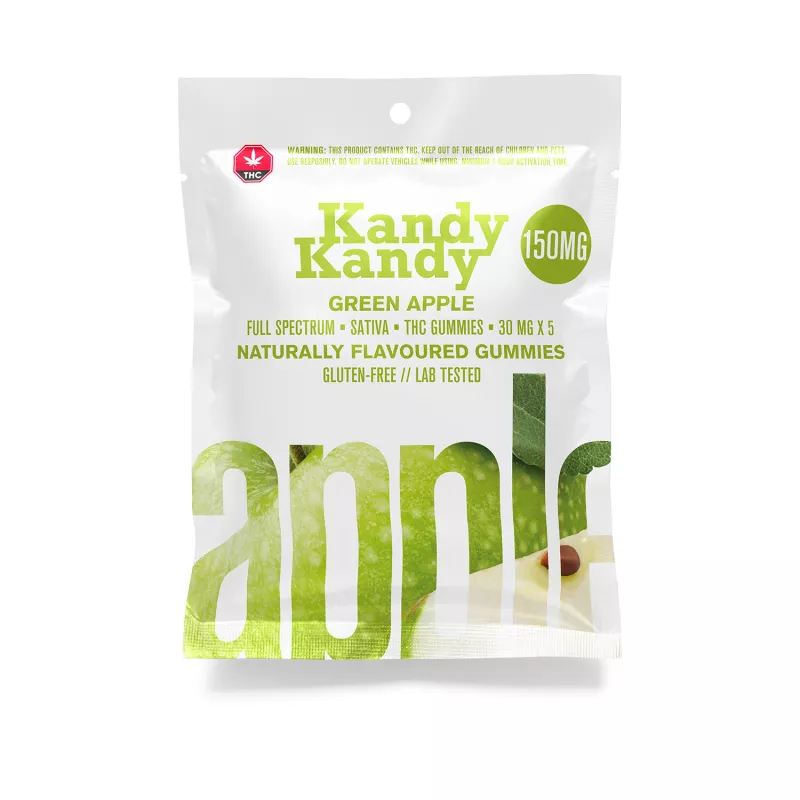
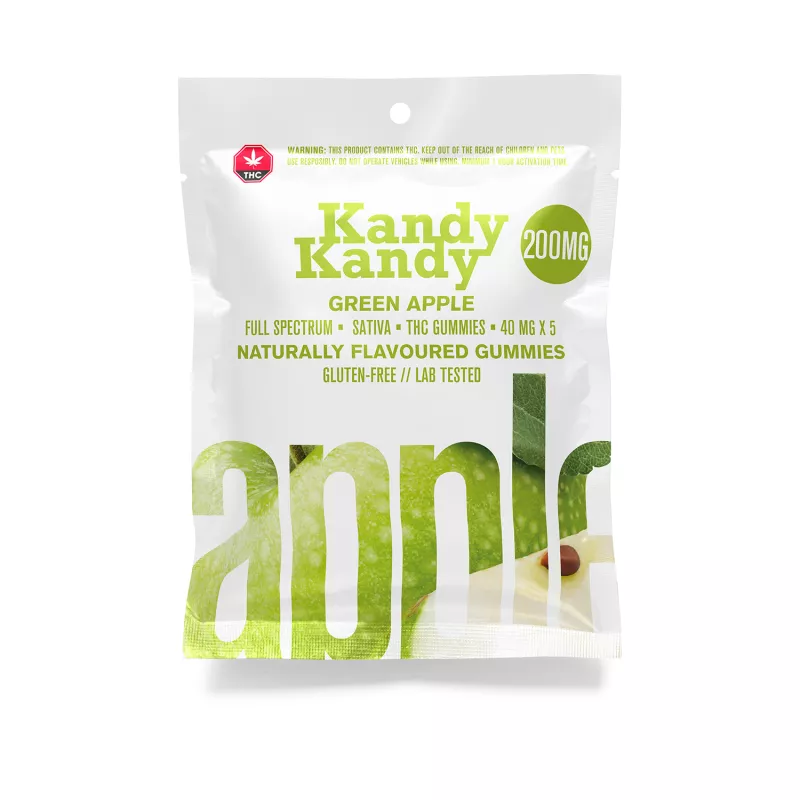
Showing 1–50 of 199 results

Receive free shipping on all orders over $135! This is calculated after any offers and coupons and before taxes.

Get 15% off your first order with us! All of our members also become eligible for exclusive giveaways, freebies, VIP sales, and other goodies only you will know about!

Leave a review for any product you purchased at any time on any other site, and you are automatically entered in our monthly contest to win up to $500 of free BIRCH+FOG products!

CBD Gummies Health Benefits Uncovered 2025: Nature’s Glorious Remedy
CBD Gummies Unboxed: What You Need to Know Gummies have emerged as one of the [...]

CBD Gummies: Empowering Your Journey to Enhanced Wellness
Rediscovering Wellness through CBD Gummies In our busy world, true wellness can seem unattainable. You [...]

THC Gummies- Why This Edible Craze Keeps Growing in Popularity 2025?
THC gummies are tasty cannabis-infused candies that have taken the Canadian market by storm over [...]
How can CBD Gummies Kickstart Your Wellness
What is CBD? Unlocking the Secrets of CBD Gummies CBD gummies have taken the wellness [...]

Best CBD Gummies for Improving Sleep Quality 2025: Top Choices
A good night's sleep is one of the most crucial aspects of a person's overall [...]

Are CBD Gummies Safe for Children to Consume? Safety Guidelines 2025
No parent wants to see their child go through a difficult time. Anxiety, ADHD symptoms, [...]

Effective CBD Gummies for Anxiety and Stress Relief Tips 2025
CBD's anxiolytic (anti-anxiety) qualities are starting to become well known in Canada. Although the effects [...]

Best Edibles Gummies Guide: What to Know in 2025
CBD gummies appeal to many people due to their colorful and delicious flavor and just [...]
Since cannabis legalization in 2018 and edibles becoming legal in 2019, Canadians have embraced gummies as their preferred method of cannabis consumption. These precisely-dosed, delicious treats transform cannabis from a smoking culture staple into an accessible wellness product suitable for all adults. Whether seeking CBD’s therapeutic benefits without intoxication or THC’s recreational and medicinal effects, gummies offer unmatched convenience and consistency.
The Canadian cannabis market has matured rapidly, with strict regulations ensuring product safety and quality that exceeds global standards. This comprehensive guide explores everything Canadian consumers need to know about CBD and THC gummies—from basic differences to advanced formulations—helping you navigate the legal market with confidence and find products that perfectly match your needs.
???????? The Canadian Cannabis Revolution
Canada’s groundbreaking approach to cannabis legalization has created the world’s most sophisticated legal cannabis market, with gummies representing the pinnacle of consumer-friendly cannabis products. The Cannabis 2.0 legislation introduced in October 2019 specifically enabled edibles, beverages, and concentrates, transforming Canada into a global leader in regulated cannabis innovation.
The gummy market has exploded from zero to over $450 million annually within just four years, representing 35% of all cannabis edible sales. This remarkable growth reflects both consumer preference for precise dosing and the superior safety profile that regulated products provide compared to illegal alternatives.
???? Scientific Foundation and Research Leadership
Canadian universities and research institutions have established themselves as global authorities on cannabis science, conducting groundbreaking studies on cannabinoid pharmacology, therapeutic applications, and optimal delivery systems. This research directly informs product development, ensuring that Canadian gummies represent the most scientifically advanced cannabis edibles available anywhere.
Studies conducted at institutions like the University of British Columbia and McGill University have validated the therapeutic potential of both CBD and THC in gummy formulations, providing evidence-based guidance for medical professionals and consumers. This research foundation ensures that Canadian products meet both recreational preferences and legitimate medical needs.
???? Market Sophistication and Consumer Education
The Canadian cannabis market prioritizes consumer education and safety above profit margins, creating an informed user base that understands dosing, effects, and responsible consumption practices. Provincial education campaigns, combined with industry-funded research, have established consumption patterns that emphasize quality over quantity.
Key market characteristics include:
???? Global Influence and Innovation Leadership
Canada’s regulated cannabis market serves as a model for countries worldwide considering legalization, with gummy products specifically cited as examples of successful harm reduction and consumer safety practices. International partnerships and export opportunities position Canadian producers as leaders in global cannabis innovation.
The technological advances developed within Canada’s regulatory framework—including nano-emulsification, precise dosing technologies, and advanced extraction methods—are being adopted by emerging cannabis markets globally. This leadership position ensures continued investment in research and development, benefiting Canadian consumers through constant product improvements.
???? Medical Integration and Healthcare Acceptance
Healthcare professionals increasingly recommend gummies as preferred delivery methods for medical cannabis patients, citing their precise dosing, extended duration, and elimination of respiratory risks associated with smoking. Medical cannabis programs across all provinces recognize gummies as legitimate therapeutic delivery systems.
The integration of cannabis gummies into mainstream healthcare reflects Canada’s evidence-based approach to cannabis policy, where medical professionals receive education on cannabinoid therapeutics and can confidently recommend specific products and dosing regimens to patients with various conditions.
???? Economic Impact and Industry Development
The legal cannabis industry has created over 75,000 jobs across Canada, with gummy production facilities contributing significantly to manufacturing employment in rural and urban communities. Tax revenues from cannabis sales exceed $1.2 billion annually, funding healthcare, education, and social programs.
Provincial economic development strategies increasingly recognize cannabis as a legitimate agricultural and manufacturing sector, with specialized training programs, research grants, and export promotion initiatives supporting continued industry growth and innovation.
CBD (cannabidiol) gummies harness hemp’s therapeutic potential without psychoactive effects. These non-intoxicating edibles work with your endocannabinoid system to promote balance across multiple body functions. In Canada, CBD products can be purchased from licensed retailers and require the same age verification as THC products, ensuring quality control and safety standards.
Research suggests CBD may help manage anxiety, reduce inflammation, improve sleep quality, and alleviate chronic pain—all without impairment. This makes CBD gummies particularly appealing for daytime use, workplace wellness, and those new to cannabis who want therapeutic benefits while maintaining complete mental clarity throughout their daily activities.
Canadian CBD gummies come in various formulations: isolate (pure CBD), broad-spectrum (multiple cannabinoids without THC), and full-spectrum (including trace THC). Health Canada’s strict testing requirements ensure accurate labeling and contamination-free products, giving consumers confidence in their purchases.
???? CBD Mechanism of Action and Therapeutic Potential
CBD exerts its therapeutic effects through complex interactions with multiple biological systems beyond the endocannabinoid system, including serotonin receptors, vanilloid receptors, and various ion channels. This multi-target approach explains CBD’s diverse therapeutic applications and its ability to address complex health conditions without producing tolerance or dependence.
Clinical research has documented CBD’s therapeutic benefits for:
⚖️ Dosing Strategies and Optimization
CBD gummy dosing requires personalized approaches based on individual factors including body weight, metabolism, specific conditions being treated, and desired therapeutic outcomes. Most Canadian users find effective doses ranging from 10-50mg daily, divided into multiple administrations for sustained effects.
Effective dosing guidelines include:
THC (tetrahydrocannabinol) gummies deliver cannabis’s classic psychoactive effects through precisely measured doses. Canadian regulations ensure standardized dosing and quality control, helping both new and experienced users manage their intake effectively through clear labeling and consistent potency.
The controlled dosing of THC gummies appeals to recreational users seeking predictable experiences and medical patients requiring consistent symptom management. Effects typically begin within 30-120 minutes and last 4-8 hours, making them ideal for evening relaxation, pain management, or social enhancement when properly timed.
Licensed producers in Canada offer various THC gummy options, from balanced hybrid effects to indica-dominant relaxation or sativa-dominant energy. Strict testing ensures products are free from pesticides, heavy metals, and microbial contamination, meeting Health Canada’s rigorous standards.
???? THC Pharmacology and Effect Profiles
THC’s psychoactive effects result from direct activation of CB1 receptors concentrated in brain regions responsible for cognition, memory, motor coordination, and pleasure. When consumed orally, THC undergoes first-pass liver metabolism, converting to 11-hydroxy-THC—a more potent metabolite that produces longer-lasting, more body-focused effects than inhaled cannabis.
THC gummy effects typically include:
⚠️ Safety Considerations and Risk Management
While THC gummies offer controlled dosing, their delayed onset and extended duration require careful consumption practices to prevent overconsumption and adverse experiences. Canadian educational initiatives emphasize “start low, go slow” principles that have significantly reduced emergency department visits related to cannabis overconsumption.
Key safety principles include:
Effects Profile: CBD provides clear-headed relief—users experience reduced anxiety, pain relief, and improved mood without any impairment. THC creates psychoactive effects including euphoria, altered perception, enhanced creativity, and deep relaxation. Many Canadians find balanced products combining both cannabinoids offer optimal benefits.
Medical Applications: CBD excels for daytime symptom management, particularly anxiety, inflammation, and neuroprotection. THC proves more effective for severe pain, nausea, appetite stimulation, and conditions benefiting from its psychoactive properties. Canadian medical cannabis patients often use specific ratios tailored to their conditions.
Legal Considerations: Both CBD and THC gummies are legal for adults 19+ (18+ in Alberta, 21+ in Quebec) when purchased from licensed retailers. Products must comply with Health Canada packaging, labeling, and potency requirements. Home cultivation rights allow Canadians to make their own edibles from legally grown plants.
Workplace Implications: While cannabis is legal, workplace impairment remains prohibited. CBD typically doesn’t affect job performance, making it suitable for most work situations. THC use should be reserved for off-hours, as impairment can lead to disciplinary action regardless of legal status.
Side Effects: CBD generally causes minimal side effects—possible drowsiness or appetite changes at high doses. THC may cause dry mouth, red eyes, increased heart rate, and temporary anxiety in some users. Starting with low doses helps identify your optimal consumption level.
???? Comprehensive Pharmacological Comparison
Understanding the fundamental differences between CBD and THC helps consumers make informed choices based on their therapeutic needs, lifestyle requirements, and personal preferences. These cannabinoids exhibit distinct pharmacological profiles that translate to different user experiences and applications.
Detailed comparison matrix:
⚖️ Cost-Benefit Analysis
Economic considerations play important roles in cannabinoid selection, with CBD and THC products offering different value propositions based on potency requirements, frequency of use, and therapeutic objectives. Canadian pricing structures reflect production costs, taxation, and market competition.
Value considerations include:
Selecting between CBD and THC gummies depends on your wellness goals and lifestyle. Consider timing—CBD works anytime while THC suits evenings and weekends. Think about your responsibilities—parents and professionals often prefer CBD’s clarity while those with flexible schedules may enjoy THC’s recreational aspects.
Many Canadians use both cannabinoids strategically: CBD for workday stress and inflammation, THC for weekend relaxation or sleep. Start with single cannabinoid products to understand individual effects before exploring combinations. Track your responses to optimize routines.
Health Canada recommends starting low and going slow. CBD users might begin with 10-25mg, while THC newcomers should start with 2.5mg. Canada’s standardized packaging and labeling naturally encourages responsible consumption patterns.
???? Personalized Selection Criteria
Choosing the optimal cannabinoid requires careful consideration of individual factors including health status, lifestyle demands, personal goals, and risk tolerance. Canadian healthcare providers increasingly help patients navigate these decisions through evidence-based consultations.
Key decision factors include:
???? Strategic Usage Patterns
Experienced Canadian cannabis users often develop sophisticated consumption strategies that maximize therapeutic benefits while minimizing lifestyle disruption. These patterns reflect the maturity of Canada’s legal market and the availability of diverse, high-quality products.
Common strategic approaches include:
Balanced CBD:THC gummies offer nuanced experiences combining therapeutic benefits. Popular ratios include 1:1 (equal parts), 2:1 (CBD-dominant), and custom formulations. These products provide the entourage effect—cannabinoids working synergistically for enhanced benefits while CBD moderates THC’s intensity.
Canadian producers excel at creating precise ratio products for specific needs. Medical patients particularly appreciate 1:1 options for comprehensive symptom relief with manageable psychoactivity. CBD-dominant ratios appeal to those wanting mild THC enhancement without strong intoxication.
The regulated market ensures consistent ratios in every batch, unlike black market products with unreliable potencies. This reliability helps users find their ideal balance and maintain predictable experiences essential for medical use or regular wellness routines.
???? Advanced Ratio Formulations
Canadian manufacturers have developed sophisticated ratio formulations that target specific therapeutic applications and user preferences. These products represent the pinnacle of cannabis science, combining precision manufacturing with clinical research to create optimized cannabinoid combinations.
Popular ratio categories include:
???? Entourage Effect Optimization
The entourage effect represents one of cannabis science’s most important discoveries, demonstrating that cannabinoids work synergistically to produce effects greater than the sum of their individual components. Canadian researchers lead global efforts to understand and optimize these interactions.
Entourage effect benefits include:
Canadian cannabis companies lead innovation in gummy formulations. Nano-enhanced products use advanced technology to improve bioavailability and reduce onset times from 60-90 minutes to 15-30 minutes. This faster action helps users better control their experiences and reduces overconsumption risks.
Specialized formulations target specific needs: sleep gummies combining cannabinoids with melatonin, daytime options with added vitamins, or recovery formulas for athletes. Vegan options using pectin instead of gelatin cater to dietary preferences while maintaining quality.
Water-soluble technologies represent the cutting edge, creating gummies that work faster and more consistently than traditional oil-based edibles. These innovations, developed within Canada’s strict regulatory framework, ensure safety while pushing boundaries of what cannabis edibles can achieve.
⚡ Next-Generation Delivery Technologies
Canadian cannabis technology companies have developed revolutionary delivery systems that address traditional limitations of cannabis edibles, including slow onset, variable absorption, and unpredictable effects. These innovations position Canada as the global leader in cannabis delivery science.
Breakthrough technologies include:
???? Functional Ingredient Integration
Advanced Canadian gummy formulations incorporate complementary natural ingredients that enhance cannabinoid effects while providing additional health benefits. These combinations reflect growing consumer interest in holistic wellness approaches.
Popular functional additions include:
The Cannabis Act and its regulations create a comprehensive framework ensuring consumer safety. All gummies must be produced in licensed facilities following Good Production Practices. Products undergo mandatory testing for potency, pesticides, heavy metals, and microbial contamination before reaching shelves.
Packaging requirements include child-resistant containers, standardized cannabis symbols, and health warnings. Marketing restrictions prevent appealing to youth while plain packaging reduces impulsive purchases. Clear potency labeling promotes responsible use.
Provincial regulations add additional layers, from retail licensing to consumption locations. Private retailers in some provinces compete with government stores in others, creating diverse shopping experiences. Understanding your province’s specific rules ensures compliant, safe consumption.
???? Comprehensive Regulatory Framework
Canada’s cannabis regulations represent the most comprehensive and science-based framework globally, prioritizing public health while enabling industry innovation. The multi-layered system ensures products meet pharmaceutical-grade safety standards while remaining accessible to adult consumers.
Key regulatory components include:
⚖️ Provincial Variations and Local Implementation
While federal regulations establish baseline standards, provinces maintain authority over retail, consumption locations, and additional safety measures. This federalist approach allows for regional preferences while maintaining national safety standards.
Provincial distinctions include:
Shopping for cannabis gummies in Canada means choosing between licensed retail stores and provincial online platforms. Physical stores offer personal service with budtenders providing recommendations, while online shopping provides broader selection and detailed product information.
Look for products displaying cannabinoid content clearly—total mg per package and per piece. Check packaging dates as fresher products offer better experiences. Compare prices between retailers as competition creates value opportunities. Many provinces offer price matching or loyalty programs.
BIRCH+FOG exemplifies premium Canadian cannabis retail, offering carefully curated selections from licensed producers. Our knowledgeable staff helps navigate options based on your experience level and desired effects, ensuring you find perfect products within the legal framework.
???? Retail Channel Optimization
Canadian cannabis retail has evolved into a sophisticated marketplace offering multiple purchasing channels, each with distinct advantages for different consumer preferences and needs. Understanding these options enables optimal shopping experiences and product selection.
Shopping channel benefits:
???? Smart Shopping Strategies
Experienced Canadian cannabis consumers employ strategic shopping approaches that maximize value while ensuring product quality and consistency. These strategies reflect market maturity and consumer education initiatives.
Effective shopping practices include:
Canada’s cannabis industry continues evolving with potential regulatory updates allowing higher potency edibles and expanded product formats. Research partnerships between licensed producers and universities advance understanding of cannabinoid therapeutics. Export opportunities position Canada as a global leader in cannabis innovation.
Sustainability initiatives reduce packaging waste while maintaining safety standards. Social equity programs ensure communities affected by prohibition benefit from legalization. Indigenous partnerships honor traditional plant medicine knowledge while creating economic opportunities.
As the market matures, expect improved products, competitive pricing, and enhanced consumer education. Canada’s evidence-based approach to cannabis regulation serves as a global model, with gummies representing the accessible, safe future of cannabis consumption.
???? Innovation Pipeline and Emerging Technologies
Canadian cannabis research institutions and industry partners are developing next-generation gummy technologies that promise even more precise, effective, and personalized cannabis experiences. These innovations will further cement Canada’s leadership in global cannabis science and product development.
Future developments include:
???? Global Market Leadership and Export Potential
Canada’s regulatory framework and technological innovations position the country as the preferred partner for emerging cannabis markets worldwide. Export opportunities and international partnerships will drive continued innovation and economic growth in the Canadian cannabis sector.
Whether choosing CBD for daily wellness or THC for recreation and relief, Canadian cannabis gummies offer unparalleled quality and safety. The legal market provides tested, regulated products that deliver consistent experiences while supporting legitimate businesses and tax revenues that benefit all Canadians.
Explore our comprehensive educational resources at the BIRCH+FOG Learning Centre for detailed guides on dosing, effects, and maximizing your cannabis experience. Start your journey with confidence:
Understanding the fundamental differences between CBD and THC gummies empowers Canadian consumers to make informed decisions within our legal cannabis framework. While both cannabinoids come from cannabis plants and interact with our endocannabinoid system, their effects, applications, and implications differ dramatically. This detailed comparison examines every aspect distinguishing these popular edibles, from molecular structure to social acceptance, helping you determine which option—or combination—best serves your needs while staying compliant with Canadian regulations.
CBD and THC share identical molecular formulas (C21H30O2) but differ in atomic arrangement. This slight structural variance—specifically the position of one atom—creates vastly different effects. THC’s structure allows binding with CB1 receptors in the brain, producing psychoactive effects. CBD’s configuration prevents this binding, instead modulating receptors indirectly without intoxication.
THC gummies produce classic cannabis effects: euphoria, altered time perception, enhanced senses, and potential anxiety. These psychoactive properties make THC valuable for both recreation and specific medical conditions. CBD gummies provide no high whatsoever—users maintain complete sobriety while experiencing therapeutic benefits like reduced anxiety and pain relief.
THC directly activates CB1 and CB2 receptors, mimicking natural endocannabinoids like anandamide. This direct action creates immediate, powerful effects throughout the body. CBD works indirectly, changing receptor function without direct activation while also inhibiting FAAH enzyme, increasing natural endocannabinoid levels for sustained benefits.
Both CBD and THC gummies require digestive processing, typically taking 30-120 minutes for effects. However, users notice THC’s psychoactive onset more readily than CBD’s subtle benefits. Canada’s standardized dosing helps predict timing and manage expectations for new users.
THC gummy effects typically last 4-8 hours with peak intensity around hours 2-4. CBD gummies provide 6-8 hours of therapeutic benefits without impairment concerns. Regular CBD use builds steady-state levels in your system, providing consistent relief that many Canadians appreciate for managing chronic conditions.
CBD excels for anxiety disorders, inflammation, and daytime symptom management without impairment. It’s particularly valuable for working Canadians needing relief during business hours. THC proves superior for severe pain, chemotherapy side effects, and conditions benefiting from psychoactive effects. Many medical cannabis patients use doctor-guided ratios.
CBD typically causes minimal side effects—possible fatigue or appetite changes at high doses. These rarely interfere with daily activities. THC’s side effects include dry mouth, red eyes, increased heart rate, and potential anxiety. THC’s impairment makes driving illegal and dangerous, with roadside testing now common across Canada.
THC tolerance develops with regular use, requiring higher doses over time. This reverses with breaks but contributes to dependency risk. CBD often shows reverse tolerance—lower doses become effective as your endocannabinoid system improves. This makes CBD potentially more sustainable for long-term daily use.
Both CBD and THC gummies are legal for adults across Canada when purchased from licensed retailers. Age requirements vary by province (19+ in most provinces, 18+ in Alberta, 21+ in Quebec). Products must meet Health Canada’s strict quality and labeling standards.
Despite legalization, workplace impairment remains prohibited. Pure CBD shouldn’t trigger drug test failures, though full-spectrum products pose minimal risks. Any THC consumption can result in positive tests and potential job loss in safety-sensitive positions. Canadian employers maintain rights to enforce drug-free workplace policies.
CBD dosing starts higher—beginners might take 25-50mg daily without concerns. THC requires more caution with dosing. New users should start with 2.5-5mg. This approach naturally promotes responsible consumption patterns that prevent overwhelming experiences.
CBD’s non-intoxicating nature makes it potentially appropriate for minors with specific medical conditions under physician supervision. THC remains strictly adult-only except in rare medical circumstances. Provincial age limits reflect public health approaches balancing access with youth protection.
Canadian research institutions lead global cannabis studies. CBD shows strong evidence for epilepsy, anxiety, and inflammation. THC research, facilitated by legalization, demonstrates efficacy for pain, nausea, and PTSD. Health Canada’s medical cannabis program provides real-world data supporting both cannabinoids.
CBD shows no addiction potential in studies, with some research suggesting it might help treat other dependencies. THC carries moderate psychological dependence risk—about 9% of users develop cannabis use disorder. Canada’s public health approach includes addiction support services recognizing this risk.
Canadian cannabis pricing includes excise taxes and provincial markups. CBD gummies typically cost $30-60 per package depending on potency. THC gummies range $5-15 per 10mg package. Medical cannabis patients may claim expenses on taxes, reducing effective costs.
Both products are available through licensed retailers—private stores in some provinces, government operations in others. Online ordering through provincial platforms offers convenience with age verification. Rural access remains challenging in some areas, though delivery options are expanding.
Canadian society increasingly accepts cannabis use, though stigma persists. CBD enjoys broader acceptance as a wellness product similar to vitamins. THC use remains more controversial, particularly regarding workplace consumption and parenting. Generational differences in attitudes continue evolving.
CBD may enhance performance through anxiety reduction without impairment. Canadian athletes use CBD under WADA guidelines permitting its use. THC significantly impairs coordination and judgment, making it incompatible with driving, sports, or safety-sensitive tasks.
Long-term CBD use appears safe with potential cumulative benefits. Chronic THC use may impact motivation and memory in some users, though moderate adult use shows minimal risks. Canadian longitudinal studies continue tracking population-level impacts of legalization.
Choose CBD gummies for non-intoxicating relief suitable for any time or situation. They’re ideal for managing anxiety, inflammation, and general wellness while maintaining full functionality. Select THC gummies for recreation or conditions requiring stronger effects, accepting intoxication and timing limitations. Many Canadians use both strategically—CBD for workdays, THC for evenings and weekends. Consider your lifestyle, responsibilities, and wellness goals when navigating Canada’s legal cannabis market.
Mastering cannabis gummy consumption in Canada requires understanding our unique regulatory environment alongside personal response patterns. This comprehensive guide covers everything from first-time use to advanced optimization strategies within the Canadian legal framework. Whether using CBD for daily wellness or THC for recreation and relief, following these guidelines ensures safe, effective experiences while supporting the legal market.
First-time users should approach cannabis gummies with preparation and respect. Create comfortable settings free from obligations—Canadian winters make cozy indoor spaces ideal. Have water, healthy snacks, and entertainment ready. For THC, ensure you won’t need to drive for at least 6-8 hours as impaired driving carries serious penalties.
Start on weekends or evenings when you can fully experience effects without pressure. CBD users have more flexibility since there’s no impairment, but should still note effects carefully. Canada’s standardized packaging makes dosing predictable—take advantage of this consistency.
CBD Dosing: Begin with 20-40mg for general wellness. Most Canadians find optimal doses between 40-100mg daily. Split into morning and evening doses for sustained benefits. CBD’s excellent safety profile allows experimentation to find your sweet spot.
THC Dosing: Start with 2.5mg and wait two full hours. Never take excessive amounts in a session until you understand your tolerance. Most beginners find 2.5-5mg sufficient for desired effects.
Combination Dosing: When using both, try 2.5mg THC with 20mg CBD initially. The CBD moderates THC intensity while maintaining benefits—a strategy many Canadian medical patients employ successfully.
Canadian meal patterns affect gummy absorption. Taking gummies after poutine or other fatty foods delays onset but extends duration. Empty stomach consumption accelerates effects but may cause discomfort. Time consumption around our typical meal schedules for predictable experiences.
Consider seasonal factors—winter’s early darkness makes evening THC use more appealing, while summer’s long days suit CBD’s functionality. Plan consumption 60-90 minutes before desired effects, accounting for individual metabolism variations.
The entourage effect makes cannabinoid combinations particularly effective. Canadian producers excel at creating precise ratio products: 1:1 CBD:THC for balanced medical effects, 2:1 or higher CBD-dominant for functionality, custom ratios for specific conditions.
Many licensed producers offer “starter packs” with various ratios, helping you explore combinations safely. This approach to product development helps consumers find optimal formulations through guided experimentation.
Enhance gummy effectiveness through simple strategies. Consuming with foods containing healthy fats improves absorption—think avocado toast or nuts. Stay hydrated with water, not alcohol which dangerously intensifies effects.
Some Canadians report enhanced effects from mangoes (myrcene content) or black pepper (piperine). While anecdotal, these safe additions might optimize your experience. Focus on consistency rather than chasing maximum intensity.
CBD side effects remain minimal—address dry mouth with water, adjust timing if drowsy. THC side effects require more active management. Keep eye drops handy for red eyes, especially during allergy season. Combat anxiety with CBD, deep breathing, or calm activities.
Canadian winters make “greening out” particularly uncomfortable—prepare warm, comfortable spaces. Remember that effects are temporary. Having a trusted friend aware of your consumption provides safety and reassurance.
THC tolerance develops with daily use—implement regular breaks to maintain effectiveness. Many Canadians follow “Tolerance Break Tuesday” or take weeklong breaks monthly. CBD typically doesn’t create tolerance; some experience improved effects over time.
Rotate between different products or ratios to prevent tolerance. Canada’s diverse legal market makes this easy with numerous options from various licensed producers.
Seniors: Start with minimal doses (1.25-2.5mg THC, 10-20mg CBD) as metabolism slows with age. Many Canadian seniors find cannabis helps with arthritis and sleep issues when properly dosed.
Athletes: CBD supports recovery without violating Canadian sport regulations. Time use around training schedules. Avoid THC during competitive seasons due to impairment and potential testing.
Medical Patients: Work with cannabis-knowledgeable physicians through medical programs. Document symptom changes for Health Canada’s monitoring. Don’t discontinue prescribed medications without supervision.
Canada’s cold climate affects storage—avoid leaving gummies in cars where freezing damages texture. Room temperature storage in original child-resistant packaging maintains quality. Health Canada requires specific storage guidelines on all packages.
Lock boxes provide extra security in homes with children or teens. Provincial regulations may specify storage requirements—check your local rules. Proper storage maintains potency throughout Canadian seasons.
Each province implements unique cannabis rules affecting gummy consumption. Quebec bans candy-like edibles, limiting options. Alberta allows public consumption in designated areas. Ontario restricts to private property. British Columbia offers most retail locations per capita.
Understanding your province’s specific regulations ensures compliant consumption. Some provinces allow online ordering with home delivery, others require in-store pickup. Research before traveling between provinces.
THC overconsumption causes distress but isn’t life-threatening. Canadian poison control (1-844-764-7669) provides cannabis-specific guidance. Emergency rooms handle cannabis issues without legal consequences—be honest about consumption.
Keep CBD on hand to counteract THC anxiety. Create calm environments and remember effects will pass. Canadian healthcare providers focus on wellbeing, not law enforcement.
Both cannabinoids interact with medications metabolized by liver enzymes. Critical interactions include blood thinners (increased bleeding risk), heart medications (blood pressure changes), and sedatives (enhanced effects).
Canadian pharmacists can review interactions—many now have cannabis training. Always inform healthcare providers about cannabis use, especially before procedures. Our universal healthcare system supports open communication about substance use.
Health Canada’s strict regulations ensure baseline quality, but differences exist between producers. Look for lot numbers enabling traceability, recent package dates indicating freshness, and clear cannabinoid content labeling.
Premium products often indicate terpene profiles and extraction methods. Avoid products near expiration or with damaged packaging. Canada’s legal market transparency helps identify quality.
Cannabis taxes make gummies expensive—manage costs through bulk purchases when allowed, price matching between retailers, and loyalty programs. Some provinces offer compassionate pricing for medical patients.
Compare actual cannabinoid content, not just package prices. Higher potency products often provide better value. Medical cannabis expenses may be tax-deductible—keep receipts.
Document your cannabis journey using apps or journals. Note product details, timing, effects, and duration. This data helps optimize routines and provides valuable information for healthcare providers.
Many Canadians share experiences through online communities and Reddit forums. While anecdotal, these resources provide real-world insights within our regulatory context.
Experienced users can explore cannabinoid cycling—alternating between CBD, THC, and ratios to maintain effectiveness. Stack consumption methods cautiously—vaping for quick relief plus gummies for duration.
Time consumption with circadian rhythms. Create personalized protocols matching Canadian lifestyle patterns—morning CBD for commutes, evening THC for Netflix. Our long winters make optimized routines especially valuable.
Common mistakes include impatience—taking more before effects peak. Proper dosing and patience remain crucial. Comparing tolerance to others leads to problems—focus on your individual response.
Buying solely based on price ignores quality differences. Using cannabis to escape problems rather than enhance life risks dependency. Learn from others’ mistakes shared in Canadian cannabis forums.
Canadians report life-changing benefits from proper gummy use. Veterans find PTSD relief through measured THC doses. Seniors rediscover mobility using CBD for arthritis. Parents manage stress with evening microdoses after kids’ bedtime.
Office workers use CBD for presentation anxiety. Artists enhance creativity with controlled THC doses. These successes stem from Canada’s regulated market ensuring consistent, safe products.
Canadian cannabis educators emphasize starting low and going slow remains paramount. Quality matters more than potency—choose tested products from licensed producers. Consistency trumps intensity for therapeutic benefits.
View cannabis as one wellness tool among many. Combine with healthy Canadian lifestyle choices—winter sports, nature exposure, social connections. Most importantly, take advantage of our legal market’s safety and consistency to find what works best for your unique needs.
Canada leads global cannabis research thanks to early medical programs and federal legalization. Universities across the country conduct groundbreaking studies on cannabinoid therapeutics. The Canadian Institutes of Health Research funds numerous cannabis projects, while Health Canada collects real-world data from millions of legal consumers. This unique research environment advances scientific understanding while informing evidence-based policy.
The endocannabinoid system (ECS) maintains homeostasis throughout the body. Canadian researchers at McGill University and University of Toronto lead ECS research, discovering how CB1 and CB2 receptors regulate everything from mood to immune function. This system particularly interests Canadian scientists studying how harsh winters affect endocannabinoid tone.
Natural endocannabinoids like anandamide fluctuate with Canadian seasonal patterns, potentially explaining why many report improved winter mood with cannabis use. Understanding these connections helps optimize gummy consumption for Canadian lifestyles.
Edible absorption follows predictable patterns studied extensively by Canadian researchers. After consumption, gummies undergo first-pass metabolism in the liver, converting THC to 11-hydroxy-THC—a more potent metabolite. This explains why edibles feel different from smoking.
Canadian studies show onset typically occurs within 30-120 minutes, with peak effects at 2-4 hours. Individual variations depend on metabolism, recent meals, and genetic factors common in Canada’s diverse population.
Canadian researchers discovered CBD’s complex pharmacology extends beyond cannabinoid receptors. Studies from University of British Columbia show CBD modulates serotonin receptors (explaining anti-anxiety effects), TRPV1 channels (pain relief), and nuclear receptors (anti-inflammatory action).
CBD also inhibits enzymes breaking down natural endocannabinoids, effectively boosting the body’s own cannabis-like compounds. This mechanism particularly interests researchers studying Canadian stress patterns and chronic conditions.
THC directly activates cannabinoid receptors, particularly CB1 in the brain. Canadian neuroscience research maps how this activation affects neurotransmitter release, explaining both therapeutic and psychoactive effects. The 11-hydroxy-THC metabolite from edibles shows increased potency and duration.
Studies from Canadian universities demonstrate THC’s effects on pain signaling, appetite regulation, and memory formation. This research guides medical cannabis prescribing across the country.
Canadian scientists pioneered entourage effect research, showing how cannabinoids and terpenes work synergistically. Licensed producers must preserve these compounds through careful extraction, creating products with enhanced therapeutic potential compared to isolated compounds.
Research demonstrates that full-spectrum products often outperform isolates for pain, anxiety, and inflammation. This understanding influences Canadian product development and medical recommendations.
Oral cannabinoid bioavailability typically ranges 4-20%, but Canadian companies lead innovation in enhancement technologies. Nano-emulsification, developed at Canadian research facilities, can increase bioavailability to 50% or higher by creating water-compatible particles.
Factors affecting absorption include individual metabolism, concurrent food intake, and product formulation. Canadian winters may affect metabolism rates, influencing optimal dosing strategies.
Genetic variations in liver enzymes create different cannabis responses among individuals. Canadian population genetics studies show diverse metabolizer phenotypes—some process cannabinoids rapidly, others slowly. This explains why identical doses produce varied effects.
Pharmacogenetic testing, available through some Canadian healthcare providers, can predict individual responses and guide personalized dosing strategies.
Canadian clinical trials demonstrate CBD efficacy for various conditions. Studies from McMaster University show anti-inflammatory benefits for arthritis. Toronto’s Hospital for Sick Children researches pediatric epilepsy applications. Multiple centers investigate anxiety and PTSD treatment.
Health Canada’s collection of real-world evidence from medical cannabis patients provides unprecedented data on CBD effectiveness across diverse populations and conditions.
Legalization enables comprehensive THC research impossible elsewhere. Canadian studies examine optimal dosing for pain management, PTSD treatment efficacy, and harm reduction strategies. Standardized dosing provides consistent conditions for studying controlled consumption patterns.
Veterans Affairs Canada funds research on cannabis for military-related trauma, while provincial health systems study population-level impacts of legalization.
Canadian post-legalization data shows cannabis gummies have excellent safety profiles when used appropriately. Emergency department visits remain rare and typically involve anxiety rather than medical emergencies. The regulated market’s consistent dosing reduces adverse events compared to pre-legalization estimates.
Longitudinal studies track long-term use patterns, finding most Canadians use cannabis responsibly with minimal negative outcomes.
Canadian pharmacology research identifies important drug interactions. Both CBD and THC affect cytochrome P450 enzymes, potentially altering metabolism of medications including warfarin, certain antidepressants, and heart medications.
Provincial pharmacy networks now flag potential interactions, while cannabis-educated pharmacists provide guidance. This integration of cannabis into mainstream healthcare represents a uniquely Canadian approach.
Canadian neuroscientists explore cannabinoids’ protective effects against neurodegenerative diseases. Research suggests both CBD and low-dose THC may protect against Alzheimer’s, Parkinson’s, and multiple sclerosis progression through anti-inflammatory and antioxidant mechanisms.
Hockey-related concussion studies examine whether cannabinoids might protect against traumatic brain injury—research with significant implications for Canada’s national sport.
Chronic inflammation contributes to numerous conditions affecting Canadians, from arthritis to cardiovascular disease. Canadian research demonstrates cannabinoids modulate inflammatory responses through multiple pathways, potentially offering safer alternatives to traditional anti-inflammatories.
Studies examining Canada’s aging population show particular promise for cannabinoid treatment of age-related inflammatory conditions.
Canadian mental health research explores cannabis therapeutics carefully, recognizing both benefits and risks. CBD shows promise for anxiety disorders without addiction risk. Controlled THC doses may help PTSD and depression in specific populations.
However, research also identifies risks—high-THC use may exacerbate certain psychiatric conditions. This nuanced understanding guides Canadian clinical practice.
Chronic pain affects millions of Canadians, driving interest in cannabis alternatives to opioids. Research demonstrates cannabinoids work through different mechanisms than traditional painkillers, potentially offering relief when other treatments fail.
Canadian pain clinics increasingly incorporate cannabis into multimodal treatment approaches, with gummies providing convenient, consistent dosing for long-term management.
Canadian companies lead global cannabis innovation. From nano-technology improving bioavailability to novel extraction methods preserving terpenes, Canadian research drives industry advancement. Universities partner with licensed producers, creating unique academia-industry collaborations.
Export opportunities position Canada as the global leader in cannabis science and technology, with research findings influencing international policy.
Health Canada’s regulatory framework creates unprecedented safety standards while enabling research. Mandatory testing, standardized dosing, and adverse event reporting generate valuable data. This evidence-based approach to regulation serves as a global model.
Ongoing monitoring allows rapid response to emerging issues while supporting industry innovation within safety parameters.
Canadian quality standards exceed international norms. Licensed producers must follow Good Production Practices, test for contaminants, and verify potency. Research into analytical methods ensures accurate labeling and consumer safety.
These standards create consumer confidence while generating data supporting cannabis legitimacy as medicine and consumer product.
Canadian research supports specific recommendations: CBD gummies for anxiety and inflammation with excellent safety; THC gummies for pain and sleep with careful dosing; combination products for comprehensive symptom management. Start low, go slow remains the evidence-based approach.
As research continues within Canada’s unique legal framework, evidence-based applications expand while maintaining appropriate caution. This balanced approach positions Canada as the global leader in cannabis science and policy.
Shopping for cannabis gummies in Canada means navigating a well-regulated market designed for consumer safety. Whether purchasing from private retailers in Alberta or government stores in Quebec, understanding the Canadian cannabis retail landscape ensures you find quality products at fair prices. This guide covers everything from reading Health Canada-mandated labels to maximizing value within our unique provincial systems.
Legal cannabis retailers in Canada fall into distinct categories. Private retailers operate in provinces like Alberta and Ontario, offering competitive pricing and diverse selection. Government-run stores in provinces like Quebec and Nova Scotia provide standardized experiences. Indigenous retailers on reserve lands may offer different products and pricing.
All legal retailers must display provincial licenses, check ID, and sell only Health Canada-approved products. Avoid illegal dispensaries—they lack quality control and support organized crime rather than legitimate Canadian businesses.
Health Canada requires standardized labeling including THC/CBD content per package and per unit, packaging date, expiration date, licensed producer information, lot numbers for tracking, and health warnings. The excise stamp indicates legal, tax-paid products.
Understanding these labels helps compare products effectively. Note that THC percentages on dried flower don’t directly translate to edible potency—focus on milligram content for gummies.
Each province implements unique cannabis retail rules. Ontario allows private stores and delivery, Quebec restricts edible formats and flavors, Alberta has the most retail locations per capita, and British Columbia offers government and private options. Some provinces allow online sales with home delivery, others require in-store pickup.
Research your province’s specific rules before shopping. Price differences between provinces reflect varying tax structures and retail models.
Online Shopping: Provincial websites offer complete selection, detailed product information, and home delivery in participating areas. Age verification occurs at delivery. Prices often match or beat retail. Perfect for comparing options and rural access.
Retail Shopping: Physical stores provide immediate purchase, personal recommendations from budtenders, ability to see packaging, and no delivery fees. Many offer price matching and loyalty rewards. Ideal for questions and discovering new products.
Cannabis pricing includes excise taxes plus provincial markups. Compare actual cannabinoid content, not just package prices. Calculate the cost per milligram to accurately compare value between products.
CBD products often cost more due to extraction complexity. Medical cannabis through licensed producers may offer better pricing than recreational retail. Factor in taxes—some provinces add PST to cannabis.
All legal Canadian cannabis meets baseline quality standards, but differences exist. Look for recent package dates (fresher is better), clear labeling of ingredients and allergens, recognizable licensed producer names, and proper storage at retailers (cool, dark conditions).
Premium products often indicate terpene profiles, extraction methods, and strain-specific effects. Consistent color and texture within packages indicates quality manufacturing.
Canada has hundreds of licensed producers ranging from craft operations to large corporations. Research producers through their websites, social media presence, and transparency about growing methods. Many offer virtual facility tours.
Established producers with multiple years operating generally offer more consistent products. Some specialize in organic cultivation, specific strains, or innovative formulations. Support producers aligned with your values.
Product variety exists in ratios (THC:CBD combinations), additional cannabinoids (CBN, CBG), flavor profiles, and texture (soft chews vs. hard candies). Vegan and sugar-free options cater to dietary needs.
Consider your consumption patterns—daily users might prefer balanced ratios, occasional users might want THC-only products for maximum effects per serving.
THC gummies come in various potencies per piece. CBD products have no potency restrictions and can offer higher doses per gummy. Match potency to your needs—higher isn’t always better.
Start with appropriate doses based on your experience level. Buy additional products only after confirming your tolerance. Many find 2.5-5mg THC sufficient for desired effects.
Maximize value through strategies like buying multipacks when available, taking advantage of “daily deal” promotions, joining retailer loyalty programs, and comparing prices between nearby stores. Some retailers offer senior or veteran discounts.
Medical cannabis patients can claim expenses on taxes, effectively reducing costs. Keep all receipts for tax purposes.
Many private retailers offer loyalty programs providing 5-10% back in points, exclusive member pricing, early access to new products, and birthday bonuses. Compare programs—some offer better value than others.
Provincial online stores may offer subscription services or bulk discounts for medical patients. These programs provide convenience alongside savings.
Canadian cannabis retail follows seasonal patterns. Best deals appear during 4/20 (April 20), October 17 (legalization anniversary), Black Friday/Cyber Monday, and Boxing Day. Summer sees outdoor-friendly product promotions while winter features cozy edibles.
Stock up during sales but respect storage limits and expiration dates. Gummies typically last 6-12 months properly stored.
Medical cannabis through licensed producers offers potential advantages including tax deductions, insurance coverage (some plans), higher possession limits, and direct shipping nationwide. However, recreational retail provides immediate access and broader selection.
Many Canadians maintain medical authorizations for cost savings while shopping recreationally for variety. Consider both channels based on your needs.
Quality retailers invest in staff education. Good budtenders should discuss effects without making medical claims, explain product differences clearly, respect privacy and purchasing decisions, and offer alternatives if products are unavailable.
Don’t hesitate to ask questions—knowledgeable staff enhance your shopping experience and help find ideal products.
Most provinces prohibit returns of opened cannabis products for safety reasons. However, retailers may offer exchanges for defective products (package integrity issues), incorrect products received, and quality concerns (mold, unusual appearance).
Document issues with photos and keep receipts. Reputable retailers prioritize customer satisfaction within regulatory constraints.
Proper storage maintains quality after purchase. Keep gummies in original child-resistant packaging, store at room temperature away from heat and light, avoid humidity (don’t store in bathrooms), and lock away from children and pets.
Canadian temperature extremes affect storage—don’t leave in vehicles where freezing or heat damages products.
Canadian cannabis communities share shopping experiences through Reddit communities (r/CanadianCannabisLPs), provincial forums, Instagram reviews, and local Facebook groups. These resources provide real-user feedback beyond marketing claims.
Respect community guidelines and remember experiences vary individually. Use collective wisdom to inform, not dictate, your choices.
Combine multiple information sources when selecting products including official lab results, user reviews, budtender recommendations, and personal experience. Start with small purchases before committing to larger quantities.
Track what works for you—specific products, producers, and cannabinoid ratios. Build relationships with retailers who consistently meet your needs.
Shop responsibly within Canada’s legal framework. Bring valid ID every time, respect purchase limits, never buy for minors, support legal businesses, and report illegal dispensaries. Your choices shape Canada’s cannabis industry.
By shopping smart and supporting quality producers and retailers, you contribute to a mature, responsible cannabis market that serves all Canadians well. Take advantage of our world-leading regulatory system to find safe, effective products that enhance your life.