
×
Remove product
Remove item from cart?

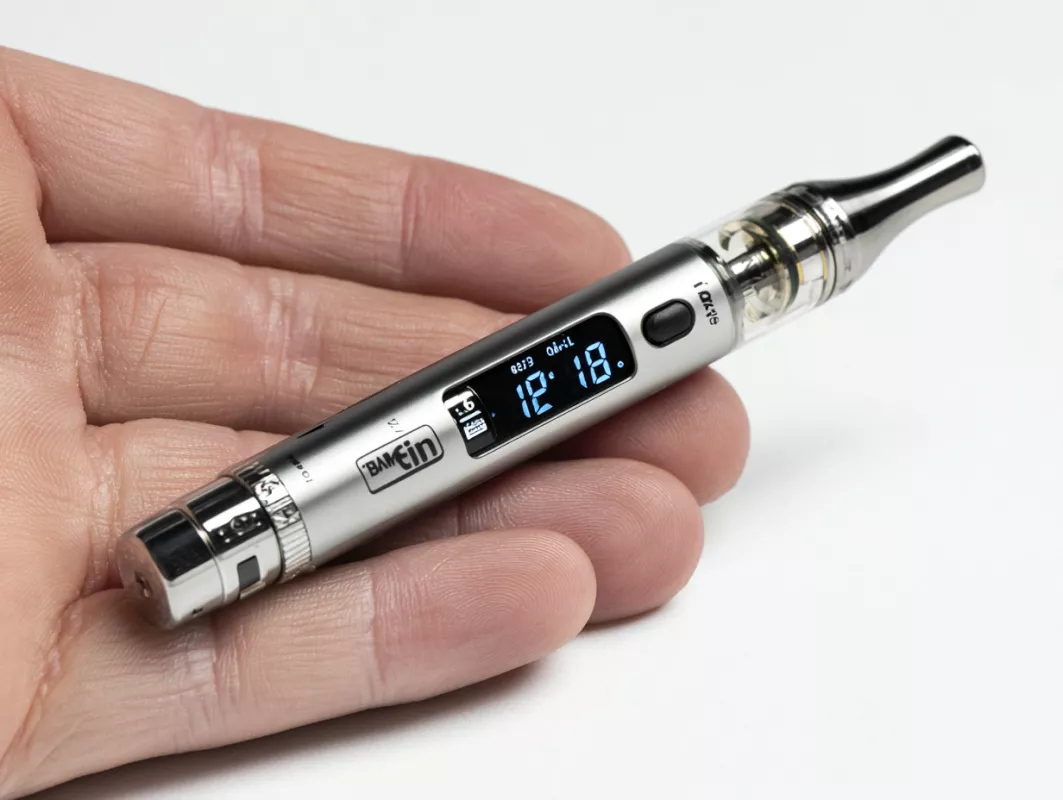
Temperature control represents the most sophisticated advancement in THC vape pen technology, enabling precise manipulation of cannabis compound extraction, vapor characteristics, and user experiences through scientific control of heating parameters. This technology transforms basic vaping into a customizable delivery system that optimizes cannabinoid and terpene extraction while preventing degradation and enabling personalized consumption experiences.
????️ The Science of Controlled Cannabis Extraction
Temperature control vaping operates on the principle that different cannabis compounds vaporize at specific temperatures, enabling selective extraction and customization of effects through precise heating management. This scientific approach maximizes the therapeutic and recreational potential of cannabis while eliminating guesswork and inconsistency.
Understanding temperature control enables users to target specific cannabinoids and terpenes for extraction while avoiding temperatures that could degrade valuable compounds or create harsh, unpleasant vapor that detracts from the cannabis experience.
???? Precision Cannabis Consumption
Temperature control technology elevates cannabis vaping from basic heating to sophisticated extraction science that enables unprecedented control over effects, flavor, and vapor characteristics. This precision enables optimization of cannabis experiences based on specific goals, preferences, and desired outcomes.
The ability to control extraction parameters through temperature manipulation enables consistent, reproducible experiences that build upon previous sessions while supporting systematic exploration of cannabis potential through controlled experimentation.
???? Cannabinoid Vaporization Temperatures
Different cannabinoids vaporize at specific temperature ranges that enable selective extraction and effect customization. THC vaporizes optimally between 315-440°F, while CBD requires slightly higher temperatures around 320-356°F for complete extraction. Understanding these ranges enables targeted consumption strategies.
Minor cannabinoids including CBG (390°F), CBN (365°F), and CBC (428°F) require different temperatures for optimal extraction, enabling sophisticated consumption strategies that target specific therapeutic effects through temperature selection.
???? Terpene Preservation and Enhancement
Terpenes are highly volatile compounds that begin vaporizing at lower temperatures than cannabinoids, with many important terpenes lost at temperatures above 350°F. Understanding terpene vaporization enables preservation of flavor and therapeutic benefits through appropriate temperature selection.
Key terpenes including myrcene (334°F), limonene (349°F), pinene (311°F), and linalool (388°F) each contribute unique flavors and effects that can be optimized through precise temperature control that preserves or emphasizes specific compounds.
???? Decarboxylation and Activation
Temperature control enables complete decarboxylation of acidic cannabinoids (THCA, CBDA) into their active forms (THC, CBD) through controlled heating that ensures optimal potency without degradation. This process requires sustained temperatures above 220°F for effective conversion.
Understanding decarboxylation enables optimization of potency extraction while preventing over-heating that could convert THC to less psychoactive compounds or degrade valuable terpenes that contribute to overall effects.
⚖️ Compound Interaction and Entourage Effects
Temperature control enables manipulation of cannabinoid and terpene ratios through selective extraction that can enhance or modify entourage effects. Lower temperatures preserve more terpenes while higher temperatures extract more cannabinoids, creating different effect profiles.
Strategic temperature management can emphasize certain aspects of strain characteristics while minimizing others, enabling customization of experiences based on desired outcomes and personal preferences.
???? Resistance-Based Temperature Control
Resistance-based temperature control monitors changes in heating element electrical resistance that correlate with temperature changes, enabling precise regulation through feedback control systems. This technology provides accurate temperature control with compatible heating elements.
Different heating element materials including titanium, stainless steel, and nickel provide different resistance characteristics that enable temperature control systems to monitor and regulate heating with high precision.
????️ Thermocouple and Sensor Systems
Advanced temperature control systems utilize thermocouples or digital temperature sensors that directly measure heating chamber temperature, providing more accurate control than resistance-based systems. These systems enable precise monitoring and regulation regardless of heating element type.
Direct temperature sensing provides superior accuracy and response time compared to indirect methods while enabling use with various heating element materials and designs without compatibility limitations.
???? Smart Temperature Control
Intelligent temperature control systems include microprocessors that enable advanced features including temperature profiling, automatic optimization, ramp control, and user preference learning that provide sophisticated control over the vaping experience.
Smart systems can automatically adjust temperature based on cartridge type, usage patterns, and environmental conditions while providing real-time feedback and optimization suggestions that enhance user experiences.
???? App-Connected Temperature Management
Smartphone-connected devices enable remote temperature control, custom profile creation, and detailed monitoring through dedicated apps that provide unprecedented control and customization over temperature management.
App connectivity enables features including cloud-based profile storage, social sharing of temperature settings, and continuous monitoring that transforms temperature control into comprehensive consumption management systems.
???? Low Temperature Range (315-350°F)
Low temperature vaping preserves maximum terpene content while providing smooth, flavorful vapor with mild psychoactive effects ideal for daytime use, medical applications, or users seeking subtle enhancement without significant impairment.
This range emphasizes flavor and terpene effects while providing gentle THC activation that enables functional consumption during work, social situations, or activities requiring mental clarity and coordination.
⚖️ Medium Temperature Range (350-390°F)
Medium temperatures provide balanced extraction of both cannabinoids and terpenes, offering moderate effects suitable for most recreational and therapeutic applications while maintaining good flavor and smooth vapor characteristics.
This range represents optimal balance for most users, providing effective cannabinoid extraction while preserving significant terpene content that enhances flavor and contributes to entourage effects.
???? High Temperature Range (390-430°F)
High temperature vaping maximizes cannabinoid extraction while producing dense vapor with intense effects suitable for heavy users, severe symptoms, or situations requiring maximum potency. However, high temperatures may compromise flavor and terpene preservation.
This range enables rapid consumption and maximum efficiency but may produce harsher vapor and reduced flavor that some users find less enjoyable than lower temperature alternatives.
???? Specialized Temperature Applications
Specific temperature ranges enable targeted extraction for particular applications including sleep promotion (higher temperatures for CBN), anxiety relief (moderate temperatures preserving anxiolytic terpenes), or creative enhancement (lower temperatures emphasizing sativa terpenes).
Understanding application-specific temperature ranges enables optimization of cannabis consumption for specific therapeutic or recreational goals through scientific temperature selection rather than trial-and-error approaches.
???? Evaluating Temperature Control Capabilities
Quality temperature control devices provide precise adjustment capabilities, wide temperature ranges, accurate monitoring, and consistent performance that enable optimal cannabis extraction. Evaluate devices based on temperature accuracy, range, and control precision.
Important features include temperature stability, rapid heating, precise adjustment increments, and reliable temperature maintenance throughout sessions that ensure consistent performance and optimal extraction.
???? Temperature Range and Precision Requirements
Different users require different temperature ranges and precision levels based on consumption preferences and experience levels. Beginners may benefit from preset temperature options while advanced users prefer precise manual control with fine adjustment capabilities.
Consider maximum temperature capabilities, minimum temperature options, and adjustment precision when selecting devices based on intended applications and personal preferences for control sophistication.
????️ Control Interface and User Experience
Temperature control interfaces should provide intuitive operation, clear feedback, and convenient adjustment capabilities that enable easy temperature management without complex procedures or confusing controls.
Evaluate display quality, button layout, adjustment methods, and user feedback systems that support effective temperature management while providing clear information about current settings and device status.
⚡ Performance and Heating Characteristics
Temperature control device performance depends on heating element quality, power delivery, thermal management, and control system responsiveness that affect temperature accuracy and vapor quality.
Consider heating speed, temperature stability, power efficiency, and thermal consistency when evaluating devices that will provide reliable temperature control and optimal cannabis extraction.
???? Strain-Specific Temperature Optimization
Different cannabis strains require different temperature approaches based on their cannabinoid and terpene profiles. Sativa strains often benefit from lower temperatures that preserve energizing terpenes while indica strains may require higher temperatures for maximum relaxing effects.
Research strain-specific terpene profiles and cannabinoid content to determine optimal temperature ranges that maximize desired characteristics while minimizing unwanted effects through targeted extraction strategies.
???? Concentrate vs Flower Temperature Differences
Cannabis concentrates typically require higher temperatures than flower due to increased density and different consistency characteristics. Adjust temperature based on concentrate type, with rosin requiring lower temperatures than distillate for optimal extraction.
Different concentrate consistencies including shatter, wax, budder, and oil require different temperature approaches that account for viscosity, purity, and extraction method characteristics that affect optimal vaporization parameters.
⚕️ Medical vs Recreational Temperature Strategies
Medical applications often benefit from lower temperatures that preserve therapeutic terpenes and provide gentle effects suitable for daily medication routines, while recreational use may emphasize higher temperatures for more pronounced psychoactive effects.
Consider therapeutic goals when selecting temperatures, with pain relief potentially benefiting from higher temperatures while anxiety management might require lower temperatures that preserve anxiolytic compounds.
???? Flavor vs Potency Optimization
Balance flavor preservation with potency extraction through temperature selection that matches consumption priorities. Lower temperatures emphasize flavor while higher temperatures maximize potency, requiring personal preference decisions about optimal balance.
Experiment with temperature ranges to identify personal sweet spots that provide optimal balance between flavor enjoyment and desired effect intensity based on individual preferences and consumption goals.
???? Temperature Stepping and Profiling
Temperature stepping involves gradually increasing temperature during sessions to extract different compounds sequentially, beginning with low-temperature terpenes and progressing to higher-temperature cannabinoids for comprehensive extraction.
Create custom temperature profiles that automatically adjust heating during sessions, providing complex extraction sequences that maximize compound utilization while creating evolving flavor and effect experiences.
???? Session-Based Temperature Management
Optimize temperature for session length and consumption goals, with lower temperatures for extended sessions and higher temperatures for rapid consumption. Adjust approach based on available time and desired experience intensity.
Consider session timing and social context when selecting temperature strategies that match situational requirements while optimizing extraction efficiency and user satisfaction.
⚖️ Micro-Dosing Temperature Strategies
Micro-dosing benefits from lower temperatures that provide precise control over cannabinoid extraction while enabling multiple small doses throughout the day without overwhelming effects or significant tolerance development.
Use temperature control to enable consistent micro-dosing that provides therapeutic benefits while maintaining functionality and avoiding accumulation of effects that could interfere with daily activities.
???? Effect-Specific Temperature Targeting
Target specific effects through temperature selection that emphasizes particular cannabinoids and terpenes, such as using lower temperatures for anxiety relief or higher temperatures for sleep promotion based on compound activation requirements.
Develop effect-specific temperature protocols that enable consistent reproduction of desired outcomes through systematic temperature management rather than random experimentation.
???? Temperature Accuracy and Calibration
Verify temperature accuracy through comparison with external thermometers or reference standards while understanding that displayed temperatures may differ from actual chamber temperatures due to sensor placement and thermal dynamics.
Address temperature accuracy issues through device calibration, sensor cleaning, or professional service that ensures reliable temperature control and optimal extraction performance.
⚡ Inconsistent Temperature Performance
Diagnose inconsistent temperature control through systematic testing that identifies problems including sensor malfunction, heating element degradation, or control system failures requiring specific solutions.
Address performance inconsistencies through component cleaning, connection inspection, or replacement of worn components that affect temperature control accuracy and reliability.
????️ Overheating and Temperature Runaway
Prevent and address overheating through proper usage techniques, device maintenance, and understanding of thermal management systems that protect both device and user safety during operation.
Recognize signs of thermal problems including excessive heat, unusual odors, or performance changes that indicate safety concerns requiring immediate attention and potential professional service.
???? Temperature Control System Failures
Identify temperature control failures through systematic testing and troubleshooting that determines whether problems result from user error, maintenance needs, or component failure requiring repair or replacement.
Understand limitations of user-serviceable temperature problems versus issues requiring professional attention to avoid unsafe repair attempts or warranty violations.
????️ Safe Temperature Operating Ranges
Maintain safe operating temperatures that prevent device damage, user injury, and cannabis degradation through understanding of safe limits and thermal management principles that protect both equipment and users.
Avoid excessive temperatures that could damage heating elements, degrade cannabis compounds, or create safety hazards while ensuring adequate temperatures for effective extraction and satisfying experiences.
???? Thermal Safety Systems and Protection
Quality temperature control devices include thermal protection systems that prevent overheating, automatic shutdown capabilities, and safety monitoring that protects users and equipment from thermal hazards.
Understand device safety features and proper operation procedures that maintain protection while enabling optimal temperature control performance without compromising safety standards.
⚠️ User Safety and Burn Prevention
Prevent burns and thermal injuries through proper handling techniques, understanding of device heating characteristics, and appropriate safety precautions during operation and maintenance procedures.
Use appropriate protective equipment and handling techniques when working with high-temperature devices while understanding thermal hazards and implementing appropriate safety measures.
???? Cannabis Safety and Compound Preservation
Protect cannabis compounds from thermal degradation through appropriate temperature selection that maximizes extraction while preventing destructive overheating that creates harmful byproducts or reduces therapeutic value.
Understand temperature limits for different cannabis compounds while implementing temperature strategies that optimize extraction without compromising safety or quality through excessive heating.
???? Flavor Development and Preservation
Temperature directly affects vapor flavor through terpene preservation and extraction characteristics that determine taste quality and aromatic complexity. Lower temperatures preserve delicate flavors while higher temperatures may produce stronger but less complex tastes.
Optimize temperature for flavor preferences while understanding trade-offs between flavor quality and extraction efficiency that require personal preference decisions about optimal balance.
???? Vapor Density and Production
Higher temperatures generally produce denser vapor with more visible clouds while lower temperatures create lighter vapor that may be less visible but equally effective. Adjust temperature based on vapor production preferences and consumption goals.
Balance vapor density preferences with extraction efficiency and comfort considerations that affect overall satisfaction and consumption experience quality.
???????? Harshness and Smoothness Control
Temperature significantly affects vapor harshness, with lower temperatures producing smoother vapor that’s easier on throat and lungs while higher temperatures may create harsher experiences that some users find uncomfortable.
Optimize temperature for comfort preferences while considering tolerance levels and sensitivity that affect ability to enjoy different temperature ranges comfortably.
???? Efficiency and Extraction Optimization
Higher temperatures typically provide more complete extraction and faster consumption while lower temperatures may require longer sessions but provide better flavor and smoother experiences. Balance efficiency with quality based on personal priorities.
Consider consumption goals and available time when selecting temperature strategies that optimize either rapid extraction or extended enjoyment based on situational requirements.
???? Systematic Temperature Experimentation
Develop personal temperature preferences through systematic experimentation that tests different ranges while documenting effects, preferences, and optimal settings for various situations and cannabis products.
Use controlled testing methods that isolate temperature variables while maintaining consistent other factors including products, timing, and environment that enable accurate assessment of temperature effects.
???? Documentation and Profile Development
Create detailed temperature profiles that document optimal settings for different strains, times of day, consumption goals, and personal preferences that enable consistent reproduction of preferred experiences.
Use systematic documentation including temperature settings, effects achieved, satisfaction levels, and situational factors that build comprehensive profiles supporting optimal temperature selection.
???? Situational Temperature Strategies
Develop situation-specific temperature strategies that optimize cannabis consumption for different contexts including work, social situations, exercise, relaxation, and medical applications that require different approaches.
Consider environmental factors, activity requirements, and desired outcomes when creating situational temperature protocols that enhance rather than complicate various life situations.
???? Continuous Optimization and Refinement
Regularly review and refine temperature profiles based on accumulated experience, changing preferences, and new product characteristics that require adjustment of optimal settings over time.
Stay open to temperature optimization opportunities while maintaining documentation that supports evidence-based adjustments rather than random changes that might compromise established preferences.
???? Emerging Temperature Control Innovations
Future temperature control technology promises enhanced precision, automatic optimization, real-time compound analysis, and intelligent adaptation that will further improve cannabis extraction and user experiences through advanced scientific control.
Anticipated developments include nano-scale temperature control, real-time cannabinoid monitoring, and AI-powered optimization that automatically adjusts temperature based on user preferences and consumption goals.
???? Smart Integration and Connectivity
Advanced connectivity features will enable cloud-based profile storage, social sharing of optimal settings, professional consultation integration, and comprehensive consumption tracking that transforms temperature control into sophisticated wellness management.
Future systems may integrate with health monitoring devices, genetic testing results, and medical records that enable personalized temperature recommendations based on individual biological characteristics and therapeutic goals.
???? Precision Medicine Applications
Temperature control technology will likely integrate with precision medicine approaches that customize cannabis consumption based on genetic factors, biomarkers, and individual response patterns that optimize therapeutic outcomes through personalized temperature protocols.
Medical applications may include prescription-specific temperature protocols, automated medication compliance monitoring, and healthcare provider integration that positions temperature control as legitimate medical device technology.
???? Industry Standardization and Regulation
Future temperature control development may include industry standardization of temperature measurement, safety protocols, and performance specifications that ensure consistency and reliability across different manufacturers and devices.
Regulatory development may establish medical-grade temperature control standards while supporting research and development that advances temperature control technology for both recreational and therapeutic applications.
Temperature control technology represents the pinnacle of cannabis vaping sophistication, enabling scientific manipulation of extraction parameters that optimize cannabinoid and terpene delivery while providing unprecedented customization of cannabis experiences. Mastering temperature control transforms basic cannabis consumption into precise, personalized delivery that maximizes therapeutic and recreational benefits through informed, systematic approach to heat management.
????️ Scientific Cannabis Optimization
Understanding temperature control science enables informed decisions about extraction parameters that maximize desired compounds while preserving valuable terpenes and preventing degradation through excessive heating. This scientific approach eliminates guesswork while enabling consistent, reproducible experiences that build upon previous sessions.
The investment in temperature control knowledge and equipment provides long-term value through enhanced experiences, improved efficiency, and optimal utilization of cannabis products that justifies the learning curve and equipment costs.
???? Personalized Consumption Excellence
Temperature control enables complete personalization of cannabis experiences through systematic adjustment of extraction parameters based on individual preferences, tolerance levels, consumption goals, and situational requirements that create optimal outcomes for specific needs.
Building personal temperature profiles through systematic experimentation and documentation creates valuable knowledge that enables consistent optimization while supporting adaptation to changing preferences and requirements over time.
⚖️ Balance and Optimization
Effective temperature control requires balancing multiple factors including flavor preservation, potency extraction, vapor quality, and user comfort that collectively determine optimal settings for specific situations and personal preferences.
Understanding these trade-offs enables informed decisions about temperature selection that align with personal priorities while maximizing satisfaction and achieving desired outcomes through systematic optimization approaches.
???? Technology Evolution and Future Potential
The rapidly advancing temperature control technology promises even greater precision, automation, and integration that will further enhance cannabis experiences while simplifying optimization through intelligent systems that learn and adapt to user preferences.
Staying informed about temperature control developments ensures access to improved capabilities while building upon fundamental knowledge that remains valuable regardless of technological advances.
???? Enhanced Cannabis Experiences
Temperature control technology elevates cannabis consumption from basic heating to sophisticated extraction science that honors the complexity and potential of cannabis while providing tools for optimization that enhance rather than compromise the natural benefits of this remarkable plant.
The combination of scientific understanding, advanced technology, and systematic optimization creates opportunities for cannabis experiences that exceed what’s possible through traditional consumption methods while maintaining safety and supporting individual wellness goals.
Temperature control represents more than just advanced technology – it provides the foundation for optimal cannabis experiences that respect both the science of extraction and the individual needs of users seeking to maximize benefits through informed, systematic approaches to cannabis consumption.
We have an incredible wealth of information in the tabs above, listed in point form Q & A to help answer any questions you could possibly have in regards to this category of cannabis products. If you would like to read even more information, please check out the Fog Blog where we make entire articles about the most important aspects of how to benefit from cannabis products safely and effectively, as well as ideas for how to get the most from your experience in our store, and with respect to your use of THC & CBD products.

