
×
Remove product
Remove item from cart?

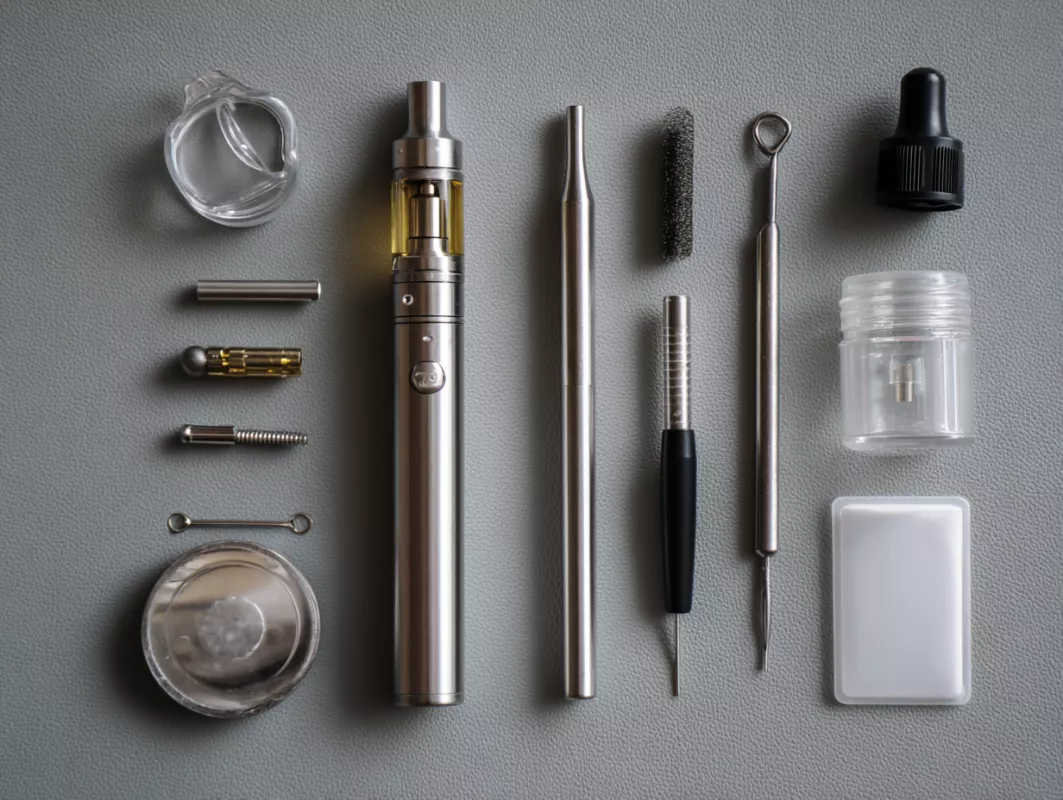
Proper maintenance of THC vape pens is essential for optimal performance, extended device lifespan, consistent vapor quality, and safe operation throughout the device’s intended service life. Understanding and implementing comprehensive maintenance protocols transforms routine care into systematic preservation that protects significant investments while ensuring reliable access to cannabis benefits.
???? The Value of Preventive Maintenance
Preventive maintenance prevents most common vape pen problems including clogging, poor vapor production, battery degradation, and component failure that can interrupt cannabis consumption routines or require expensive replacements. The small time investment in regular care prevents major problems while maintaining optimal performance.
Quality THC vape pens represent significant investments that deserve protection through proper care, with maintenance costs typically representing a tiny fraction of replacement costs while providing dramatic improvements in performance, reliability, and user satisfaction over time.
???? Performance Optimization Through Care
Well-maintained THC vape pens consistently outperform neglected devices through cleaner flavor, better vapor production, longer battery life, and more reliable operation that enhances rather than compromises cannabis experiences. Maintenance enables devices to perform at their design potential rather than declining gradually.
Understanding the relationship between maintenance practices and performance outcomes enables strategic care that focuses effort on activities providing maximum benefit while avoiding unnecessary or potentially harmful procedures that waste time or damage components.
???? How Cannabis Residues Affect Performance
Cannabis oil residues gradually accumulate in vape pen components including airflow channels, heating elements, and electrical contacts, creating restrictions that affect vapor production, flavor quality, and electrical connectivity. Understanding these accumulation patterns guides effective cleaning strategies.
Different types of cannabis oils create different residue patterns, with some concentrates producing more buildup than others, requiring adjusted maintenance schedules and techniques based on consumption habits and product preferences.
⚡ Electrical Component Care
Electrical connections in THC vape pens require protection from corrosion, contamination, and physical damage that can cause performance degradation or safety hazards. Proper electrical maintenance ensures reliable power delivery and prevents connection failures.
Understanding basic electrical principles helps identify potential problems and implement appropriate protective measures without risking damage through inappropriate cleaning methods or excessive force during maintenance procedures.
????️ Temperature and Environmental Factors
Environmental conditions including temperature, humidity, and contamination exposure affect maintenance requirements and cleaning effectiveness. Understanding these factors enables appropriate adjustment of maintenance procedures based on usage conditions and storage environments.
Extreme temperatures can affect cleaning solution effectiveness and component sensitivity, requiring temperature considerations during maintenance procedures to prevent damage while ensuring optimal cleaning results.
???? Maintenance Frequency Determination
Optimal maintenance frequency depends on usage patterns, cannabis product types, environmental conditions, and device design characteristics that affect accumulation rates and cleaning requirements. Systematic assessment enables customized maintenance schedules.
Heavy users may require daily basic maintenance with weekly deep cleaning while occasional users might maintain optimal performance with weekly basic care and monthly thorough cleaning based on actual usage and performance monitoring.
???? Post-Session Cleaning Routine
Establish post-session cleaning routines that prevent residue buildup while maintaining optimal performance through simple procedures performed after each use session. These quick routines prevent major cleaning requirements while preserving device condition.
Basic post-session care includes wiping exterior surfaces, cleaning mouthpieces, checking electrical contacts, and ensuring proper storage positioning that prevents contamination and maintains device readiness for subsequent use.
???? Mouthpiece and Airflow Maintenance
Mouthpiece cleaning represents the most important daily maintenance activity, preventing bacterial buildup and maintaining hygiene while ensuring unobstructed airflow for optimal vapor production. Use appropriate cleaning materials that remove residues without damaging components.
Alcohol wipes or cotton swabs with isopropyl alcohol effectively clean mouthpieces while removing cannabis residues and potential contaminants. Allow complete drying before reassembly to prevent moisture damage to internal components.
???? Connection Point Maintenance
Clean electrical connection points regularly to prevent corrosion and ensure reliable electrical contact between batteries and cartridges. Use gentle cleaning methods that remove contamination without damaging sensitive electrical components.
Dry cotton swabs or soft brushes effectively remove debris from connection threads while alcohol cleaning removes oil residues that could interfere with electrical connectivity or attract additional contamination.
???? Device Exterior Care
Maintain device exterior appearance and functionality through regular cleaning that removes fingerprints, oil residues, and environmental contamination while protecting surface finishes and control interfaces from degradation.
Use appropriate cleaning materials for device surfaces, avoiding harsh chemicals that could damage finishes or seep into internal components through seams or openings in device housings.
???? Complete Disassembly and Component Access
Deep cleaning requires careful disassembly of removable components to access internal areas where residues accumulate over time. Follow manufacturer instructions for safe disassembly that prevents damage while enabling thorough cleaning access.
Document disassembly procedures with photos or notes that facilitate proper reassembly while identifying component orientation and connection requirements that must be maintained for optimal device function.
???? Cleaning Solution Selection and Safety
Select appropriate cleaning solutions based on component materials and contamination types while ensuring safety through proper ventilation and personal protection. Isopropyl alcohol (90%+ concentration) provides effective cleaning for most cannabis residues.
Avoid water-based cleaning for electrical components while ensuring complete drying of all components before reassembly to prevent corrosion or electrical shorts that could damage devices or create safety hazards.
????️ Airflow Channel Cleaning
Airflow channels require special attention during deep cleaning as accumulated residues can significantly affect vapor production and flavor quality. Use appropriate tools including pipe cleaners, cotton swabs, or specialized cleaning brushes designed for small passages.
Ensure complete removal of cleaning residues from airflow channels through thorough rinsing and drying procedures that prevent contamination of subsequent vapor with cleaning solution residues that could affect taste or safety.
???? Reassembly and Function Testing
Careful reassembly following deep cleaning ensures proper component alignment and electrical connectivity while function testing verifies that cleaning procedures restored optimal performance without creating new problems.
Test all device functions including power delivery, airflow, and electrical connections before returning to normal use, addressing any issues identified during testing rather than assuming proper function.
???? Battery Terminal Cleaning
Battery terminals require regular cleaning to prevent corrosion and ensure reliable electrical contact that maintains optimal power delivery and prevents connection failures. Use gentle cleaning methods that remove contamination without damaging sensitive contacts.
Clean battery terminals with cotton swabs and isopropyl alcohol, removing any visible corrosion or residue buildup while ensuring complete drying before reconnecting to prevent short circuits or electrical damage.
⚡ Charging Port Maintenance
Charging ports accumulate dust, lint, and debris that can interfere with charging connections and potentially damage charging cables or internal components. Regular cleaning prevents charging problems while maintaining port integrity.
Use compressed air or soft brushes to remove debris from charging ports while avoiding metal tools that could damage delicate charging contacts or internal components. Ensure ports are completely dry before charging.
????️ Temperature Management and Monitoring
Monitor battery temperature during use and charging to identify potential problems that could indicate internal damage or degradation requiring attention. Excessive heat may indicate maintenance needs or component failure.
Prevent battery overheating through proper ventilation during charging and use while avoiding exposure to extreme temperatures that could accelerate battery degradation or create safety hazards.
???? Performance Monitoring and Degradation Assessment
Track battery performance over time including charge duration, usage time, and power delivery consistency to identify degradation patterns that indicate maintenance needs or replacement timing.
Document battery performance metrics to establish baseline performance and identify gradual degradation that might not be obvious during daily use but indicates developing problems requiring attention.
????️ Cartridge Thread Maintenance
Cartridge threads require careful maintenance to prevent cross-threading, stripping, or contamination that could affect connection reliability or damage expensive cartridges. Clean threads regularly while ensuring proper alignment during installation.
Use cotton swabs with alcohol to clean cartridge threads, removing cannabis residues and debris that could interfere with proper threading or electrical contact while avoiding over-tightening that could damage delicate threading.
???? Electrical Contact Optimization
Maintain optimal electrical contact between cartridges and batteries through regular cleaning and inspection of contact surfaces that ensure reliable power delivery and prevent performance degradation due to poor connectivity.
Check contact alignment and cleanliness before each cartridge installation, addressing any issues that could affect electrical connectivity or create inconsistent performance during use.
???? Oil Level and Consistency Monitoring
Monitor cartridge oil levels and consistency changes that could indicate storage problems, contamination, or degradation requiring attention before problems affect performance or safety.
Address oil consistency problems through appropriate storage adjustments or gentle warming techniques while avoiding contaminated or degraded cartridges that could affect device performance or user safety.
???? Cartridge Storage and Protection
Proper cartridge storage prevents contamination, leakage, and degradation while maintaining optimal performance through environmental control and physical protection during storage periods.
Store cartridges upright in protective containers that prevent physical damage while maintaining appropriate temperature and humidity conditions that preserve oil quality and prevent component degradation.
???? Identifying Replacement Needs
Learn to recognize signs indicating component replacement needs including performance degradation, visible wear, electrical problems, or safety concerns that cannot be resolved through cleaning and maintenance procedures.
Systematic monitoring of component condition enables proactive replacement before complete failure that could damage other components or create safety hazards during use.
????️ Replacement Procedures and Compatibility
Follow proper replacement procedures for consumable components including coils, cartridges, and batteries while ensuring compatibility and proper installation that maintains device safety and performance standards.
Verify component compatibility before installation while following manufacturer specifications for proper installation procedures that prevent damage and ensure optimal performance.
???? Upgrade Opportunities and Benefits
Identify upgrade opportunities that could improve performance, add features, or extend device life while evaluating cost-benefit ratios of upgrades versus complete device replacement.
Consider upgrade timing based on component condition, available improvements, and overall device condition that justifies upgrade investments versus replacement decisions.
???? Spare Parts and Inventory Management
Maintain appropriate spare parts inventory including commonly replaced components while avoiding excessive inventory that could degrade during storage or become obsolete before use.
Track spare parts condition and expiration dates while rotating inventory to ensure availability of fresh, functional components when replacement needs arise.
???? Performance Diagnosis and Analysis
Develop systematic approaches to diagnosing performance problems that identify root causes rather than treating symptoms, enabling effective solutions that restore optimal performance rather than temporary fixes.
Use logical troubleshooting sequences that isolate problems to specific components or systems while avoiding unnecessary disassembly or cleaning that could create additional problems.
????️ Airflow and Vapor Production Issues
Address airflow restrictions and vapor production problems through systematic cleaning and inspection procedures that identify and resolve blockages, contamination, or component failures affecting performance.
Distinguish between cleaning-solvable problems and component failures requiring replacement while implementing appropriate solutions that restore optimal performance and prevent recurring issues.
⚡ Electrical and Power Problems
Diagnose electrical problems including connection failures, power delivery issues, and charging problems through systematic testing and inspection that identifies problems without risking additional damage.
Understand limitations of user-serviceable electrical problems versus issues requiring professional service or replacement to avoid unsafe repair attempts that could create safety hazards.
???? When to Seek Professional Service
Recognize problems that exceed user maintenance capabilities and require professional service or replacement to maintain safety and optimal performance while avoiding dangerous repair attempts.
Understand warranty implications of self-service attempts while identifying reputable service providers who can address complex problems safely and effectively.
???? Environmental Storage Conditions
Maintain optimal storage conditions including temperature, humidity, and cleanliness that preserve device condition while preventing contamination, corrosion, or degradation during periods of non-use.
Monitor storage environments and adjust conditions as needed to maintain optimal preservation while avoiding extreme conditions that could damage sensitive components or accelerate degradation.
????️ Physical Protection and Cases
Use appropriate protective cases and storage solutions that prevent physical damage while maintaining accessibility and organization of devices and accessories for convenient maintenance and use.
Select protective solutions based on usage patterns, travel requirements, and device value while ensuring adequate protection without excessive bulk or inconvenience during daily use.
???? Security and Access Control
Implement appropriate security measures that protect valuable devices from theft while maintaining convenient access for authorized users and preventing unauthorized use that could create safety or legal concerns.
Balance security requirements with accessibility needs while complying with local regulations regarding cannabis product storage and access control in residential and other environments.
???? Organization and Inventory Systems
Develop organization systems that facilitate maintenance scheduling, spare parts management, and device rotation while preventing loss or damage through systematic storage and tracking procedures.
Use labeling, documentation, and inventory systems that support maintenance activities while enabling efficient location and management of devices, accessories, and supplies.
???? Essential Cleaning Tools
Maintain appropriate cleaning tools including cotton swabs, pipe cleaners, soft brushes, and microfiber cloths that enable effective cleaning without risking damage to sensitive components or finishes.
Invest in quality tools designed for electronics cleaning rather than improvising with household items that could damage devices or leave residues affecting performance or safety.
???? Cleaning Solutions and Chemicals
Use appropriate cleaning solutions including isopropyl alcohol (90%+ concentration), specialized electronics cleaners, and compressed air that provide effective cleaning while ensuring safety and component compatibility.
Avoid harsh chemicals, water-based solutions for electrical components, and cleaning products containing additives that could damage device materials or leave harmful residues.
???? Precision Tools and Hardware
Maintain precision tools including small screwdrivers, tweezers, and specialized disassembly tools that enable safe component access without risking damage during maintenance procedures.
Use tools specifically designed for electronics work rather than general-purpose tools that could strip screws, damage delicate components, or create safety hazards during maintenance activities.
???? Documentation and Tracking Tools
Implement documentation systems including maintenance logs, photo documentation, and performance tracking that support systematic maintenance while building knowledge about device care requirements and optimal procedures.
Use digital tools including apps or spreadsheets that facilitate maintenance scheduling, performance tracking, and inventory management while providing accessible reference information.
???? Daily Maintenance Routines
Establish daily maintenance routines that prevent major problems through consistent basic care including mouthpiece cleaning, exterior wiping, and connection inspection that maintains optimal condition with minimal time investment.
Integrate daily maintenance into usage routines so care becomes automatic rather than requiring conscious effort or memory that could lead to neglect during busy periods.
???? Weekly Deep Cleaning Schedules
Schedule weekly deep cleaning sessions that address accumulated residues and perform thorough inspection of all components while conducting performance testing that identifies developing problems before they affect functionality.
Adjust weekly maintenance intensity based on usage patterns and device condition while maintaining consistency that prevents major problems through systematic care.
???? Monthly Comprehensive Service
Conduct monthly comprehensive maintenance including complete disassembly, component inspection, replacement assessment, and performance optimization that maintains peak device condition while identifying upgrade or replacement needs.
Use monthly service sessions to update documentation, rotate spare parts inventory, and assess overall device condition that guides long-term maintenance planning and replacement decisions.
???? Seasonal and Annual Reviews
Perform seasonal maintenance reviews that assess overall device condition, maintenance effectiveness, and care routine optimization while planning for seasonal usage changes or storage requirements.
Annual reviews enable evaluation of maintenance costs, device performance trends, and replacement planning while optimizing care procedures based on accumulated experience and changing needs.
⏰ Proactive Care and Prevention
Implement proactive maintenance approaches that prevent problems rather than reacting to failures while optimizing device longevity through systematic care that maintains peak performance throughout extended service life.
Focus maintenance effort on prevention rather than problem correction while building systematic approaches that maintain optimal condition through consistent, appropriate care procedures.
???? Performance Optimization Techniques
Use advanced maintenance techniques that optimize device performance beyond basic cleaning including calibration, component upgrading, and systematic optimization that maximizes device potential.
Learn device-specific optimization procedures that enhance performance while extending component life through proper care and systematic improvement of operating conditions and maintenance procedures.
???? Cost-Benefit Analysis of Maintenance vs Replacement
Evaluate maintenance investments against replacement costs while considering device condition, remaining useful life, and available improvements that guide optimal decisions about continued maintenance versus replacement.
Track maintenance costs and device performance to identify optimal replacement timing that balances continued utility against increasing maintenance requirements and declining performance.
???? Continuous Learning and Improvement
Stay informed about maintenance best practices, new cleaning technologies, and device-specific care recommendations that enable continuous improvement of maintenance effectiveness and device longevity.
Engage with manufacturer resources, user communities, and professional guidance that support optimal maintenance practices while avoiding damaging procedures or ineffective techniques.
Mastering THC vape pen maintenance and cleaning represents an investment in device longevity, performance optimization, and user satisfaction that transforms routine care into systematic preservation of valuable cannabis consumption tools. The comprehensive approach to maintenance outlined in this guide provides the knowledge and procedures necessary for maximizing device performance while protecting significant investments through proper care.
???? Systematic Care for Optimal Performance
Systematic maintenance approaches that combine daily care, weekly deep cleaning, and monthly comprehensive service create comprehensive protection that maintains peak device performance while preventing most common problems through proactive care rather than reactive repairs.
The investment in proper maintenance knowledge and consistent implementation pays dividends through extended device life, improved performance, enhanced reliability, and reduced total cost of ownership that justifies the time and effort required for optimal care.
???? Knowledge-Based Maintenance Excellence
Understanding the science behind device degradation, cleaning effectiveness, and component care enables informed maintenance decisions that focus effort on procedures providing maximum benefit while avoiding unnecessary or potentially harmful activities.
Building maintenance expertise through systematic learning and practice creates confidence and competence that enables optimal device care while supporting troubleshooting and problem-solving skills that maintain device functionality.
????️ Protection Through Prevention
Preventive maintenance approaches that address problems before they develop provide superior protection compared to reactive maintenance that addresses failures after they occur. This proactive approach maintains optimal performance while preventing interruptions to cannabis consumption routines.
Consistent preventive care creates compound benefits over time, with well-maintained devices demonstrating superior performance, reliability, and longevity compared to neglected devices that experience accelerated degradation and frequent problems.
???? Continuous Improvement and Optimization
Effective maintenance requires continuous learning and adaptation based on experience, device changes, and evolving best practices that optimize care procedures while adapting to changing needs and circumstances.
Regular evaluation and refinement of maintenance procedures enables continuous improvement that maximizes effectiveness while minimizing time investment and ensuring that care practices remain optimal throughout device service life.
???? Enhanced Cannabis Experiences Through Proper Care
Well-maintained THC vape pens consistently deliver superior cannabis experiences through optimal vapor production, preserved flavor quality, reliable operation, and extended service life that enhances rather than compromises cannabis consumption.
The relationship between proper maintenance and optimal cannabis experiences creates positive feedback loops where better device care leads to improved satisfaction that motivates continued excellence in maintenance practices and device care.
Proper THC vape pen maintenance represents more than just device care – it creates the foundation for consistent, reliable access to cannabis benefits while protecting valuable investments and optimizing user satisfaction through systematic, knowledge-based care that honors both device potential and user needs.
We have an incredible wealth of information in the tabs above, listed in point form Q & A to help answer any questions you could possibly have in regards to this category of cannabis products. If you would like to read even more information, please check out the Fog Blog where we make entire articles about the most important aspects of how to benefit from cannabis products safely and effectively, as well as ideas for how to get the most from your experience in our store, and with respect to your use of THC & CBD products.

