
×
Remove product
Remove item from cart?

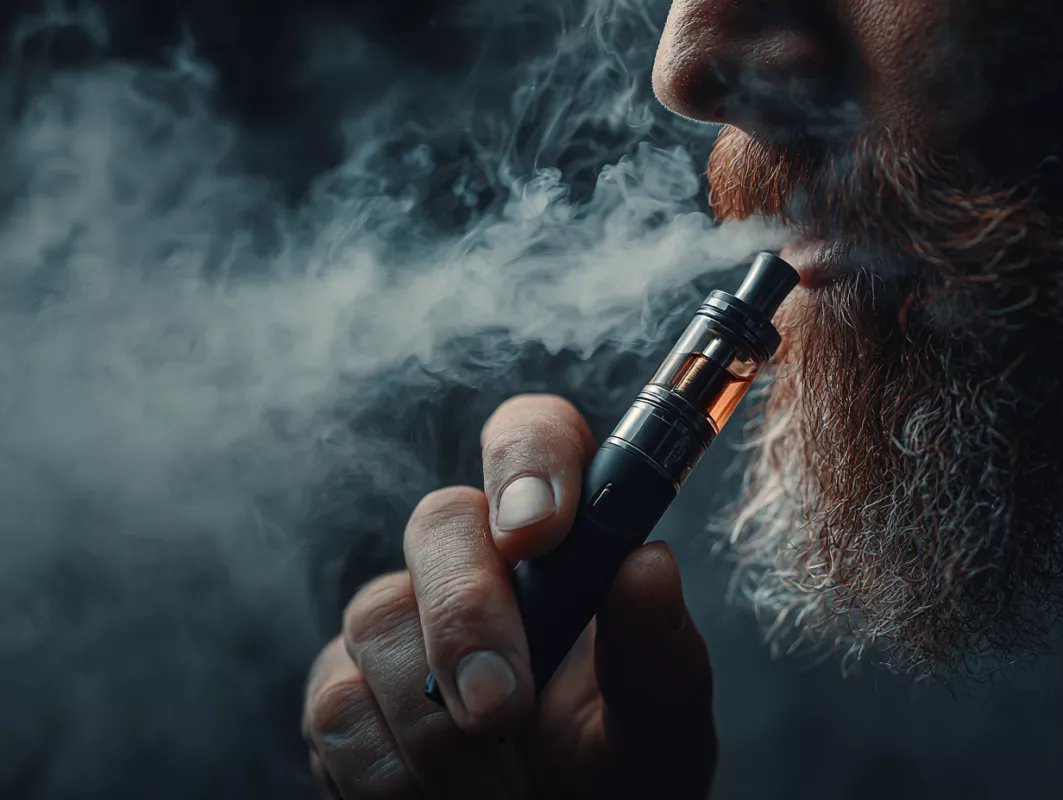
THC vaping provides one of the most controllable and predictable methods of cannabis consumption, offering rapid onset, precise dosing capabilities, and sophisticated effect modulation that enables users to achieve optimal experiences while maintaining safety and functionality. The advanced delivery system of vaporization allows for real-time dose adjustment and immediate feedback that makes THC vaping ideal for both therapeutic applications and recreational enhancement.
???? The Science of Vaporized THC
Vaporized THC bypasses the digestive system and enters the bloodstream directly through the lungs, providing immediate access to the brain and central nervous system within minutes of consumption. This rapid bioavailability enables precise control over effects and allows users to titrate their dose based on real-time response rather than waiting hours for effects to develop as with edibles.
The efficiency of vaporized THC delivery means that smaller amounts can produce significant effects compared to other consumption methods, making vaping both economical and precise for achieving desired outcomes without waste or overconsumption risks.
???? Precision and Control Advantages
THC vaping enables unprecedented precision in cannabis consumption through controlled inhalation that can deliver exact amounts of cannabinoids based on user technique and device settings. This precision eliminates much of the guesswork associated with traditional consumption methods while providing immediate feedback that enables optimization.
The ability to take small, measured doses and assess effects before consuming more creates a safe learning environment where users can explore their optimal dosing ranges without risk of overwhelming experiences that could create negative associations with cannabis use.
???? THC Metabolism and Brain Interaction
THC (tetrahydrocannabinol) produces its effects by binding to CB1 receptors concentrated in the brain and central nervous system, creating the characteristic euphoria, altered perception, and therapeutic effects associated with cannabis consumption. Understanding this mechanism helps users predict and optimize their experiences while avoiding unwanted side effects.
The interaction between THC and the endocannabinoid system affects multiple brain regions including those responsible for memory, coordination, pleasure, and time perception, explaining the diverse effects that THC can produce depending on dose, individual sensitivity, and environmental factors.
⚡ Bioavailability and Absorption Rates
Vaporized THC demonstrates bioavailability rates of 50-80%, significantly higher than smoking (25-35%) or edibles (6-20%), meaning that more of the consumed THC reaches the bloodstream and produces effects. This efficiency enables effective dosing with smaller amounts while providing more predictable outcomes.
The rapid absorption through lung tissue means that peak blood levels occur within 5-10 minutes of inhalation, enabling users to assess effects quickly and make informed decisions about additional consumption based on their immediate response to initial doses.
???? Individual Variation and Genetic Factors
Individual responses to THC vary significantly based on genetic factors including cytochrome P450 enzyme variations that affect THC metabolism, CB1 receptor density differences, and individual endocannabinoid system characteristics that influence sensitivity and tolerance development.
Understanding these individual differences helps explain why people require different doses to achieve similar effects and why standardized dosing recommendations must be adapted to personal response patterns rather than following universal guidelines.
⏰ Pharmacokinetics and Effect Timeline
THC pharmacokinetics describe how the compound moves through the body over time, with vaporized THC reaching peak plasma concentrations within 3-8 minutes, maintaining elevated levels for 30-60 minutes, and gradually declining over 2-4 hours depending on dose and individual metabolism.
This predictable timeline enables users to plan consumption around activities and responsibilities while understanding when effects will be strongest and when they will subside, allowing for responsible integration of THC use into daily life.
⚡ Rapid Onset Characteristics
THC vaping provides effects within 2-5 minutes of inhalation, with users typically noticing initial changes in mood, perception, or physical sensation almost immediately. This rapid onset enables real-time dose adjustment and prevents the delayed overconsumption that commonly occurs with slower-acting methods like edibles.
The immediate feedback allows users to achieve their desired effect level through gradual dose building rather than guessing appropriate amounts, creating safer and more satisfying experiences that can be customized to specific situations and desired intensity levels.
???? Peak Effect Timeline and Intensity
Peak THC effects typically occur 10-15 minutes after vaping and can last 30-90 minutes depending on dose, individual tolerance, and product characteristics. Understanding this timeline helps users plan activities and responsibilities around peak impairment periods while optimizing timing for desired effects.
Peak intensity varies significantly based on dosing, with small doses producing subtle enhancement while larger doses can create pronounced alterations in perception, cognition, and physical sensation that may interfere with complex tasks or social situations.
⏳ Duration and Decline Patterns
THC vaping effects typically last 1-3 hours total, with most users returning to baseline within 2-4 hours depending on dose and individual factors. This relatively short duration makes vaping suitable for time-limited situations while enabling multiple dosing sessions throughout the day if desired.
The predictable decline pattern allows users to plan subsequent doses or activities with confidence about when effects will subside, enabling responsible integration into work schedules, social commitments, and daily responsibilities.
???? Redosing Considerations and Strategies
Effective redosing requires waiting at least 15-20 minutes after initial consumption to assess full effects before consuming additional THC. Impatient redosing represents one of the most common causes of overconsumption and negative experiences among new users.
Strategic redosing can extend and modulate effects throughout longer sessions or maintain desired effect levels during extended activities, but requires careful timing and dose control to prevent overwhelming accumulation of effects.
???? Starting Dose Recommendations
New THC vaping users should begin with single small puffs (approximately 1-2mg THC) and wait 15-20 minutes to assess effects before considering additional consumption. This conservative approach prevents overwhelming experiences while enabling safe exploration of personal tolerance and optimal dosing ranges.
Even experienced cannabis users new to vaping should start with reduced doses compared to their smoking tolerance, as the increased efficiency and different absorption pattern of vaporization can produce stronger effects than anticipated from equivalent amounts.
⚖️ Dose Escalation and Tolerance Building
Gradual dose escalation allows users to build tolerance slowly while identifying their optimal dosing range for different situations and desired effects. Increase doses incrementally (0.5-1mg additions) over multiple sessions rather than making large jumps that could result in uncomfortable experiences.
Systematic dose escalation helps establish personal dosing charts that can guide future consumption while documenting the relationship between dose and effects for different strains and situations.
???? Maintenance Dosing Strategies
Once optimal doses are identified, maintenance strategies can provide consistent effects for therapeutic applications or regular recreational use. Maintenance dosing typically involves consistent amounts consumed at regular intervals based on effect duration and desired consistency.
Effective maintenance requires balancing dose frequency with tolerance management, potentially including periodic breaks or dose reductions to maintain sensitivity and prevent excessive tolerance development that could require problematically high consumption levels.
???? Situational Dose Adjustment
Different situations may require dose modifications based on environment, activities, social context, and desired effect intensity. Work situations might require microdoses that provide therapeutic benefits without impairment, while recreational settings might accommodate higher doses for enhanced experiences.
Developing situational dosing strategies enables appropriate THC use across various contexts while maintaining safety and effectiveness for specific goals and environmental requirements.
????️ Food and Stomach Contents
While vaping bypasses digestive absorption, food consumption can indirectly affect THC experiences through blood sugar levels, hydration status, and overall comfort that influence how effects are perceived and tolerated. Consuming THC on an empty stomach may increase sensitivity while eating beforehand can provide stability.
Specific foods including those high in terpenes (mangoes, black pepper) or healthy fats may enhance or modulate THC effects through synergistic interactions that modify absorption or receptor activity.
???? Hydration and Physical State
Proper hydration supports optimal THC metabolism and can prevent or reduce common side effects including dry mouth, dizziness, and anxiety that may accompany cannabis consumption. Dehydration can intensify negative effects while adequate hydration promotes comfort and positive experiences.
Physical factors including fatigue, stress levels, and overall health status significantly affect THC sensitivity and effect quality, with tired or stressed individuals often experiencing stronger or more unpredictable effects from equivalent doses.
???? Mental State and Set/Setting
Psychological state and environmental factors profoundly influence THC experiences, with positive mindsets and comfortable settings enhancing beneficial effects while anxiety, stress, or uncomfortable environments can amplify negative reactions to equivalent doses.
Preparing appropriate set and setting through comfortable environments, positive mindset cultivation, and stress reduction techniques can dramatically improve THC experiences while reducing risk of anxiety or paranoia that sometimes accompanies consumption.
???? Time of Day and Circadian Factors
Individual sensitivity to THC may vary throughout the day based on circadian rhythms, cortisol levels, and daily stress patterns that affect receptor sensitivity and metabolism. Many users report increased sensitivity during evening hours compared to daytime consumption.
Understanding personal timing patterns helps optimize dosing schedules and effect intensity based on natural sensitivity variations while avoiding consumption timing that might interfere with sleep or daily responsibilities.
???? Microdosing Fundamentals
THC microdosing involves consuming sub-psychoactive doses (typically 1-2.5mg) that provide therapeutic benefits including mood enhancement, creativity boost, and anxiety reduction without producing noticeable intoxication or functional impairment. This approach enables cannabis benefits while maintaining professional and social functionality.
Microdosing requires precise dose control and consistent products to achieve reproducible effects, making quality vape pens and cartridges essential for reliable microdosing protocols that deliver predictable outcomes.
⚖️ Finding Your Minimum Effective Dose
The minimum effective dose represents the smallest amount that produces desired effects, whether therapeutic relief or recreational enhancement. Finding this dose requires systematic experimentation starting with very small amounts and gradually increasing until effects are achieved.
Once identified, the minimum effective dose provides the foundation for all other dosing decisions and enables optimization of cannabis use for efficiency, cost-effectiveness, and reduced tolerance development while maintaining desired outcomes.
???? Precision Inhalation Techniques
Developing consistent inhalation techniques enables reproducible dosing through controlled draw duration, depth, and rhythm that deliver predictable THC amounts. Practice standard inhalation patterns including 3-second draws, specific breath-hold times, and consistent exhale methods.
Advanced techniques include counted draws, timed sessions, and measured breathing patterns that enable precise dose delivery and help establish personal dosing protocols based on inhalation characteristics rather than guessing consumption amounts.
???? Building Dosing Protocols
Effective microdosing requires documented protocols that specify timing, amounts, strain characteristics, and situational factors that produce optimal results. These protocols serve as personal guidelines for consistent experiences and help identify optimization opportunities.
Systematic protocol development includes tracking dose amounts, timing intervals, effect duration, and satisfaction levels that enable refinement of approach based on documented outcomes rather than subjective memory.
???? Sativa vs Indica Effect Profiles
Sativa-dominant strains typically produce energizing, uplifting effects that enhance creativity, social interaction, and physical activity, making them suitable for daytime use and active situations. These effects often include mental stimulation, euphoria, and reduced anxiety that can improve productivity and enjoyment.
Indica-dominant strains generally provide relaxing, sedating effects that promote rest, pain relief, and sleep, making them ideal for evening use and recovery situations. These effects often include physical relaxation, stress relief, and appetite stimulation that support wellness and recovery.
???? Terpene Modulation of Effects
Terpenes significantly modify THC effects through “entourage” interactions that can enhance, modulate, or redirect cannabis experiences. Limonene promotes mood elevation and anxiety relief, while myrcene enhances sedation and muscle relaxation, enabling targeted effect customization through strain selection.
Understanding terpene profiles enables sophisticated effect customization that goes beyond simple THC potency to achieve specific therapeutic or recreational goals through targeted compound combinations that optimize desired outcomes.
???? Hybrid Strain Characteristics
Hybrid strains combine sativa and indica characteristics in various ratios, providing balanced effects that may suit users seeking moderate stimulation with relaxation or versatile products suitable for various times and situations.
Hybrid ratios (sativa-dominant, indica-dominant, or balanced) determine effect characteristics and help guide selection based on desired experience intensity and direction rather than accepting generic categories.
⚕️ Therapeutic Strain Selection
Medical applications benefit from strain selection based on specific therapeutic goals including pain relief, anxiety management, appetite stimulation, or sleep support. Understanding strain-specific therapeutic properties enables targeted selection that addresses medical needs effectively.
Therapeutic considerations include cannabinoid ratios (THC:CBD), terpene profiles, and documented medical applications that have proven effective for specific conditions and symptoms.
???? Tolerance Development Patterns
THC tolerance develops through regular CB1 receptor exposure that reduces sensitivity over time, requiring gradually increased doses to achieve equivalent effects. Understanding tolerance patterns helps users make informed decisions about consumption frequency and tolerance management strategies.
Tolerance development varies significantly between individuals based on genetics, consumption patterns, and physiological factors, with some users developing tolerance quickly while others maintain sensitivity for extended periods with consistent use.
???? Tolerance Break Strategies
Periodic tolerance breaks (T-breaks) restore sensitivity through CB1 receptor upregulation that occurs during abstinence periods. Even short breaks (2-7 days) can provide significant sensitivity restoration, while longer breaks (2-4 weeks) enable more complete tolerance reset.
Strategic tolerance breaks can be timed around schedule changes, travel, or natural low-use periods to minimize disruption while maximizing sensitivity restoration and cost savings through reduced consumption requirements.
⚖️ Rotation and Moderation Techniques
Strain rotation and consumption moderation can slow tolerance development while maintaining therapeutic or recreational benefits. Rotating between different strains, cannabinoid ratios, and consumption methods prevents adaptation to specific compounds while preserving overall sensitivity.
Moderation strategies include scheduled use patterns, dose limits, and planned abstinence periods that balance cannabis benefits with tolerance management and overall life balance.
???? Sensitivity Optimization
Maintaining optimal sensitivity requires balancing regular use benefits with tolerance management through strategic consumption patterns that preserve effectiveness while achieving desired therapeutic or recreational goals.
Sensitivity optimization includes lifestyle factors such as exercise, sleep quality, and stress management that support healthy endocannabinoid system function while enhancing cannabis effectiveness at lower doses.
⚠️ Recognizing Overconsumption Signs
THC overconsumption symptoms include anxiety, paranoia, rapid heartbeat, dizziness, nausea, and feeling “too high” for the situation. Recognizing these early warning signs enables intervention strategies that can reduce discomfort and prevent more severe reactions.
Early intervention through environment change, relaxation techniques, and supportive companions can significantly reduce overconsumption discomfort while teaching users to recognize their limits and avoid future incidents.
????️ Prevention Strategies
Prevention strategies include conservative dosing, patient timing between doses, appropriate set and setting preparation, and having support systems available during consumption. These proactive measures dramatically reduce overconsumption risk while enabling positive experiences.
Additional prevention includes avoiding alcohol combination, ensuring proper hydration, maintaining comfortable environments, and having CBD products available to counteract excessive THC effects if needed.
???? Managing Overwhelming Effects
If overconsumption occurs, management strategies include finding safe, comfortable environments, practicing controlled breathing, staying hydrated, and remembering that effects are temporary and will subside. Having trusted companions and distracting activities can provide comfort and reassurance.
CBD products can help counteract excessive THC effects through CB1 receptor modulation that reduces anxiety and paranoia while maintaining safety. Having CBD available provides a reliable intervention option for overconsumption situations.
???? When to Seek Help
While cannabis overconsumption is generally not dangerous, severe anxiety, panic reactions, or persistent discomfort may warrant medical attention or support from experienced users who can provide reassurance and practical assistance.
Understanding when professional help might be appropriate helps users make informed decisions about self-management versus seeking support during difficult experiences.
⚕️ Medical Dosing Principles
Medical THC dosing prioritizes consistent therapeutic effects over recreational enjoyment, often requiring different approaches including regular dosing schedules, specific strain selections, and careful documentation of therapeutic outcomes rather than subjective enjoyment measures.
Medical applications may require higher doses for severe symptoms or lower doses for sensitive patients, with dosing protocols developed in consultation with knowledgeable healthcare providers who understand cannabis therapeutics and patient-specific factors.
???? Condition-Specific Dosing
Different medical conditions may require different dosing approaches: chronic pain may benefit from regular moderate doses, anxiety might respond to small frequent doses, while cancer-related symptoms may require higher therapeutic doses with specific timing around treatments.
Understanding condition-specific dosing enables optimization of therapeutic outcomes while minimizing side effects and functional impairment that could interfere with daily life and responsibilities.
???? Therapeutic Monitoring and Adjustment
Medical THC use benefits from systematic monitoring of therapeutic outcomes, side effects, and dose effectiveness that enables evidence-based adjustments to optimize treatment protocols. This documentation supports healthcare provider collaboration and insurance considerations.
Monitoring includes symptom tracking, side effect documentation, and functional assessment that provides objective data for treatment optimization rather than relying solely on subjective impressions.
????⚕️ Healthcare Provider Communication
Open communication with healthcare providers about cannabis use enables integration with other treatments while ensuring safety and avoiding potential drug interactions. Many providers now recognize cannabis as legitimate medicine when used appropriately.
Providing healthcare providers with detailed information about cannabis use including strains, doses, and effects helps them make informed treatment decisions and provide appropriate guidance for optimal therapeutic outcomes.
???? Situation-Specific Protocols
Advanced users develop situation-specific dosing protocols that optimize cannabis effects for different activities including work productivity, creative projects, social events, exercise performance, and sleep optimization. These protocols account for environmental factors and desired outcomes.
Situational protocols include timing considerations, dose adjustments, strain selections, and preparation strategies that ensure appropriate effects for specific contexts while maintaining safety and effectiveness.
⚖️ Combination and Layering Techniques
Advanced techniques include combining different strains, cannabinoid ratios, or consumption methods to achieve complex effect profiles that single products cannot provide. These approaches require careful experimentation and documentation to identify optimal combinations.
Layering techniques might include starting with CBD for anxiety reduction, adding low-dose THC for mood enhancement, and finishing with specific terpenes for targeted effects, creating customized experiences through strategic compound combination.
???? Data-Driven Optimization
Advanced users utilize systematic data collection including dose amounts, timing, strain characteristics, environmental factors, and outcome measures to identify optimization opportunities and refine their consumption protocols based on objective evidence.
Data-driven approaches enable identification of patterns and variables that affect experiences, leading to more predictable and satisfying outcomes through evidence-based decision making rather than guesswork.
???? Personalized Medicine Approaches
Future cannabis consumption will likely incorporate genetic testing, biomarker analysis, and personalized medicine approaches that optimize dosing based on individual biological characteristics rather than universal guidelines.
Personalized approaches consider factors including metabolism rates, receptor sensitivity, and genetic variations that affect cannabis response, enabling truly individualized protocols that maximize benefits while minimizing risks.
???? Digital Tracking Tools
Cannabis consumption apps enable systematic tracking of doses, strains, effects, and timing that provide objective data for optimization decisions. These tools can identify patterns and correlations that might not be apparent through memory alone.
Advanced tracking includes environmental factors, mood states, food consumption, and activity levels that affect cannabis experiences, enabling comprehensive analysis of variables that influence outcomes.
???? Effect Documentation Strategies
Systematic effect documentation includes rating scales for different aspects of experiences including mood enhancement, physical effects, creativity, relaxation, and side effects that enable objective comparison between different strains and doses.
Documentation strategies should include both immediate effects and longer-term outcomes including sleep quality, next-day effects, and overall satisfaction that affect consumption decisions and optimization opportunities.
???? Goal-Based Optimization
Optimization efforts should align with specific goals whether therapeutic symptom management, recreational enjoyment enhancement, or performance improvement for specific activities. Clear goals enable focused optimization that maximizes relevant outcomes.
Goal-based approaches include defining success criteria, measuring progress toward objectives, and adjusting protocols based on achievement of desired outcomes rather than pursuing theoretical optimization without clear targets.
???? Continuous Improvement Methods
Systematic improvement methods include regular protocol review, experimentation with variables, and implementation of lessons learned that enable continuous optimization based on accumulating experience and changing circumstances.
Continuous improvement requires balancing experimentation with consistency, ensuring that changes are based on reliable data rather than random variation while remaining open to optimization opportunities.
Mastering THC vape effects and dosage represents a sophisticated skillset that combines scientific understanding, practical experience, and systematic optimization to achieve optimal cannabis experiences while maintaining safety and functionality. The precision and control offered by vaping technology enables users to develop highly customized consumption protocols that address specific therapeutic needs or recreational goals through evidence-based approaches.
???? The Path to Mastery
Achieving mastery in THC dosing requires patience, systematic experimentation, and commitment to learning from each experience while building comprehensive understanding of personal response patterns, optimal dosing ranges, and situational factors that affect outcomes. This journey transforms cannabis consumption from random experimentation into sophisticated personal medicine.
The key to success lies in starting conservatively, documenting experiences systematically, and gradually building expertise through careful observation and analysis rather than pursuing maximum effects or copying others’ protocols without considering individual differences.
???? Science-Based Approaches
Understanding the pharmacology, pharmacokinetics, and individual factors that affect THC response enables informed decision-making that optimizes benefits while minimizing risks and side effects. This scientific foundation provides confidence and safety while exploring cannabis potential.
Evidence-based optimization through systematic tracking, controlled experimentation, and objective analysis creates reliable protocols that deliver consistent results rather than relying on chance or subjective impressions that may not accurately reflect optimal approaches.
⚖️ Balance and Responsibility
Successful THC use requires balancing cannabis benefits with life responsibilities, tolerance management, and long-term health considerations that support sustainable consumption patterns rather than problematic use that could interfere with personal goals and wellbeing.
Responsible use includes understanding legal requirements, workplace considerations, social appropriateness, and personal limits that enable positive integration of cannabis into overall lifestyle rather than allowing consumption to create complications or conflicts.
???? Personalization and Individual Optimization
The ultimate goal of THC dosage mastery is developing personalized protocols that optimize individual outcomes based on specific needs, preferences, and circumstances rather than following generic recommendations that may not address personal requirements effectively.
Personalization requires understanding individual factors including metabolism, sensitivity, goals, and lifestyle considerations that affect optimal dosing strategies while remaining flexible enough to adapt as circumstances and needs change over time.
???? Future Developments and Continued Learning
The rapidly evolving understanding of cannabis science, new product developments, and emerging consumption technologies will continue expanding opportunities for optimization and personalization that enhance cannabis experiences while improving safety and effectiveness.
Staying informed about developments in cannabis research, product innovation, and consumption techniques enables continued improvement and adaptation of personal protocols based on emerging knowledge and technologies that may offer superior approaches to current methods.
The combination of scientific understanding, practical experience, and systematic optimization creates a foundation for lifelong cannabis mastery that enhances therapeutic outcomes, recreational enjoyment, and overall quality of life through intelligent, responsible consumption that honors both individual needs and broader social considerations.
We have an incredible wealth of information in the tabs above, listed in point form Q & A to help answer any questions you could possibly have in regards to this category of cannabis products. If you would like to read even more information, please check out the Fog Blog where we make entire articles about the most important aspects of how to benefit from cannabis products safely and effectively, as well as ideas for how to get the most from your experience in our store, and with respect to your use of THC & CBD products.

