
×
Remove product
Remove item from cart?


Potency levels in cannabis oils refer to the concentration of cannabinoids, primarily tetrahydrocannabinol (THC) and cannabidiol (CBD), present in the product. These levels are crucial in determining the strength and effects of the oil, influencing both therapeutic benefits and psychoactive experiences. High-potency oils contain a greater concentration of cannabinoids, often leading to more pronounced effects, while lower-potency oils may offer milder experiences suitable for beginners or those seeking minimal psychoactivity. Understanding potency levels is essential for consumers to make informed choices based on their desired outcomes, tolerance levels, and medical needs. Accurate labeling and testing are vital to ensure consistency and safety in cannabis oil products.
Understanding the potency levels in cannabis oils can be a fascinating journey into the world of this versatile plant. As more people explore the benefits of cannabis, it’s essential to grasp how potency can influence the experience and outcomes of using cannabis oils. Whether you’re a seasoned enthusiast or a curious newcomer, understanding these levels can empower you to make informed choices that align with your personal needs and preferences. To begin with, potency in cannabis oils is primarily determined by the concentration of cannabinoids, the active compounds found in the cannabis plant. The most well-known cannabinoids are THC (tetrahydrocannabinol) and CBD (cannabidiol), each offering unique effects. THC is renowned for its psychoactive properties, often associated with the “high” that cannabis is famous for. In contrast, CBD is celebrated for its potential therapeutic benefits without the intoxicating effects. The balance between these cannabinoids, along with others present in smaller amounts, defines the overall potency of the oil. As you delve deeper into the world of cannabis oils, you’ll discover that potency is typically expressed as a percentage. This percentage indicates the concentration of cannabinoids in the oil. For instance, a cannabis oil with a THC potency of 20% means that 20% of the oil’s weight is THC. Similarly, a CBD oil with a potency of 15% contains 15% CBD by weight. These percentages can vary widely, offering a spectrum of options to suit different preferences and needs. Transitioning from understanding what potency means, it’s crucial to consider how it affects your experience. Higher potency oils can deliver more pronounced effects, which might be desirable for those seeking significant relief from symptoms or a more intense experience. However, it’s important to approach high-potency oils with caution, especially if you’re new to cannabis. Starting with a lower potency and gradually increasing as you become more familiar with your body’s response can be a wise approach. Moreover, the method of consumption can also influence how potency levels affect you. For example, sublingual application, where the oil is placed under the tongue, allows for faster absorption into the bloodstream, leading to quicker effects. On the other hand, ingesting cannabis oil in food or capsules might result in a slower onset but longer-lasting effects. Understanding these nuances can help you tailor your cannabis experience to your lifestyle and needs. As you navigate the world of cannabis oils, it’s also inspiring to consider the broader implications of potency. The ability to customize your experience through different potency levels is a testament to the versatility and potential of cannabis as a tool for wellness. Whether you’re seeking relaxation, pain relief, or a boost in creativity, there’s likely a cannabis oil with the right potency to support your journey. In conclusion, understanding potency levels in cannabis oils is not just about numbers and percentages; it’s about finding what works best for you. By exploring different potencies and methods of consumption, you can unlock the full potential of cannabis oils and enhance your well-being. Embrace the journey with curiosity and an open mind, and you’ll discover a world of possibilities that can inspire and empower you in your pursuit of health and happiness.
When it comes to cannabis oils, potency is a key factor that can significantly influence their efficacy. Understanding how potency levels affect the performance of cannabis oils can empower users to make informed choices that align with their personal needs and preferences. As we delve into this topic, it’s important to recognize that potency is not just about the strength of the oil, but also about how it interacts with the body’s unique chemistry. Cannabis oils are typically measured by their concentration of cannabinoids, primarily THC (tetrahydrocannabinol) and CBD (cannabidiol). These compounds are responsible for the therapeutic effects that many users seek. A higher potency oil contains a greater concentration of these cannabinoids, which can lead to more pronounced effects. For instance, a high-THC oil might be more effective for someone looking to experience the psychoactive effects of cannabis, while a high-CBD oil could be more suitable for those seeking relief from anxiety or inflammation without the high. However, it’s not just about choosing the highest potency available. The efficacy of cannabis oil is also influenced by the entourage effect, a phenomenon where different cannabinoids and terpenes work together to enhance each other’s effects. This means that a balanced oil with a moderate potency might actually be more effective for some individuals than a high-potency oil that lacks this synergy. Therefore, it’s crucial to consider the full spectrum of compounds present in the oil, rather than focusing solely on THC or CBD levels. Moreover, individual tolerance plays a significant role in how potency affects efficacy. Just as with any substance, people can develop a tolerance to cannabinoids over time, which may require them to adjust their dosage or switch to a different potency level to achieve the desired effects. This is why it’s often recommended for new users to start with a lower potency oil and gradually increase their dosage as needed. This approach allows the body to acclimate to the cannabinoids and helps users find their optimal dosage without overwhelming their system. In addition to tolerance, personal goals and health conditions should also guide the choice of potency. For example, someone using cannabis oil for chronic pain management might benefit from a higher potency oil to achieve more substantial relief, whereas someone using it for general wellness might find a lower potency oil sufficient. It’s all about finding the right balance that meets individual needs. Furthermore, the method of consumption can also impact how potency affects efficacy. Sublingual administration, where the oil is placed under the tongue, allows for faster absorption and can make a lower potency oil feel more potent. On the other hand, ingesting the oil in food or capsules might require a higher potency to achieve the same effects due to the slower absorption rate. Ultimately, the journey to finding the right cannabis oil potency is a personal one, filled with experimentation and discovery. By understanding how potency levels influence efficacy, users can make more informed decisions and tailor their cannabis experience to suit their unique needs. Embracing this process with an open mind and a willingness to explore different options can lead to a more fulfilling and effective use of cannabis oils. As you navigate this path, remember that the goal is to enhance your well-being and find what works best for you.
Understanding the potency levels in cannabis oils can be a fascinating journey, especially for those who are new to the world of cannabis or are looking to deepen their knowledge. As you embark on this exploration, it’s important to recognize that potency is a key factor that influences the effects and benefits of cannabis oils. By grasping the nuances of potency, you can make more informed decisions and tailor your cannabis experience to suit your personal needs and preferences. To begin with, potency in cannabis oils is typically measured by the concentration of cannabinoids, the active compounds found in the cannabis plant. The two most well-known cannabinoids are THC (tetrahydrocannabinol) and CBD (cannabidiol), each offering distinct effects. THC is primarily responsible for the psychoactive effects, or the “high,” associated with cannabis, while CBD is celebrated for its potential therapeutic benefits without the intoxicating effects. As you delve deeper, you’ll discover that the potency of a cannabis oil is often expressed as a percentage, indicating the concentration of these cannabinoids in the product. Transitioning from understanding what potency is to how it is measured, it’s essential to note that lab testing is the gold standard for determining the cannabinoid content in cannabis oils. Reputable producers will have their products tested by third-party laboratories to ensure accuracy and transparency. These tests not only measure the levels of THC and CBD but also identify other cannabinoids and terpenes, which can contribute to the overall effects of the oil. By reviewing these lab results, you can gain a clearer picture of what to expect from a particular product. As you continue to explore, it’s worth considering how different potency levels can impact your experience. For those seeking a mild effect, a lower potency oil might be ideal, offering gentle relaxation or subtle relief from discomfort. On the other hand, higher potency oils can provide more pronounced effects, which might be desirable for individuals dealing with chronic pain or those who have developed a tolerance to lower doses. It’s all about finding the right balance that aligns with your goals and lifestyle. Moreover, understanding potency can empower you to experiment with different products and dosages. Start low and go slow is a mantra often recommended for beginners. By starting with a low-potency oil and gradually increasing the dosage, you can safely explore how your body responds to cannabis. This approach not only minimizes the risk of unwanted side effects but also allows you to discover the optimal potency level that delivers the desired benefits. In addition to personal experimentation, engaging with the cannabis community can be incredibly rewarding. Sharing experiences and insights with others can provide valuable perspectives and tips on navigating the world of cannabis oils. Whether through online forums, local meetups, or conversations with knowledgeable budtenders, these interactions can enhance your understanding and appreciation of cannabis potency. Ultimately, measuring potency in cannabis oils is more than just a technical process; it’s an opportunity to connect with a plant that has been used for centuries for its diverse benefits. By embracing this journey with curiosity and an open mind, you can unlock a world of possibilities and find the perfect cannabis oil that resonates with your unique needs.
Cannabis oil has become a popular topic of conversation, especially as more people explore its potential benefits. At the heart of this discussion is the concept of potency, which plays a crucial role in determining the effects and efficacy of cannabis oil. Understanding potency levels can be both fascinating and empowering, as it allows individuals to make informed choices about their cannabis experiences. To begin with, potency in cannabis oil refers to the concentration of cannabinoids, the active compounds found in the cannabis plant. The most well-known cannabinoids are THC (tetrahydrocannabinol) and CBD (cannabidiol), each offering unique effects. THC is primarily responsible for the psychoactive effects, or the “high,” associated with cannabis, while CBD is celebrated for its potential therapeutic benefits without the intoxicating effects. The potency of cannabis oil is typically measured in milligrams of cannabinoids per milliliter of oil, and this concentration can vary widely depending on the product and its intended use. As we delve deeper into the science behind cannabis oil potency, it’s important to recognize that the extraction process plays a significant role in determining the final product’s strength. Various methods, such as CO2 extraction, ethanol extraction, and hydrocarbon extraction, are employed to isolate cannabinoids from the plant material. Each method has its own advantages and can influence the purity and potency of the resulting oil. For instance, CO2 extraction is often praised for its ability to produce high-potency oils with minimal impurities, making it a popular choice among manufacturers aiming for premium quality. Moreover, the strain of cannabis used in the production of the oil also impacts its potency. Different strains have varying levels of cannabinoids and terpenes, which are aromatic compounds that can enhance or modify the effects of cannabinoids. By selecting specific strains, producers can tailor the potency and overall profile of the oil to suit different needs, whether it’s for relaxation, pain relief, or other purposes. This customization is part of what makes cannabis oil such a versatile and appealing option for many users. In addition to the extraction process and strain selection, the formulation of the final product can further influence potency levels. Some oils are designed to be full-spectrum, meaning they contain a wide range of cannabinoids and terpenes, while others are isolates, containing only a single cannabinoid like CBD. Full-spectrum oils are often believed to offer an “entourage effect,” where the combination of compounds works synergistically to enhance the overall impact. This can be particularly appealing for those seeking a more holistic approach to their cannabis use. As we consider the science behind cannabis oil potency, it’s clear that this is a field rich with possibilities. The ability to fine-tune potency levels allows for a personalized experience, catering to individual preferences and needs. This empowerment is inspiring, as it opens the door to a world of potential benefits, from managing stress and anxiety to supporting overall wellness. By understanding the factors that influence potency, consumers can navigate the ever-evolving landscape of cannabis products with confidence and curiosity, embracing the opportunity to explore what works best for them.
Cannabis oils have become increasingly popular as more people explore the potential benefits of cannabis for both medicinal and recreational purposes. One of the most important aspects to consider when using cannabis oils is their potency levels, as these can significantly impact the dosage and overall experience. Understanding potency levels can empower users to make informed decisions, ensuring they achieve the desired effects while minimizing any potential adverse reactions. To begin with, potency in cannabis oils is typically measured by the concentration of cannabinoids, primarily THC (tetrahydrocannabinol) and CBD (cannabidiol). THC is the psychoactive component responsible for the “high” associated with cannabis, while CBD is non-psychoactive and often sought for its potential therapeutic benefits. The potency of a cannabis oil is usually expressed as a percentage, indicating the concentration of these cannabinoids in the product. For instance, a cannabis oil with a THC potency of 20% contains 200 milligrams of THC per gram of oil. As you delve into the world of cannabis oils, it’s essential to recognize that higher potency levels do not necessarily equate to a better experience. In fact, starting with a lower potency oil can be a wise choice, especially for beginners. This approach allows users to gradually acclimate to the effects of cannabis, reducing the risk of overconsumption and any accompanying discomfort. Moreover, lower potency oils can be more versatile, offering users the flexibility to adjust their dosage as needed. Transitioning to the topic of dosage, it’s important to note that finding the right dose is a highly individual process. Factors such as body weight, metabolism, and personal tolerance all play a role in determining the ideal dosage for each person. As a general rule of thumb, it’s advisable to start with a small dose and gradually increase it until the desired effects are achieved. This method, often referred to as “start low and go slow,” can help users find their optimal dosage while minimizing the risk of unwanted side effects. Furthermore, the method of consumption can also influence the effects of cannabis oils. For example, sublingual administration, where the oil is placed under the tongue, allows for faster absorption into the bloodstream, leading to quicker onset of effects. On the other hand, ingesting cannabis oil in food or beverages may result in a delayed onset, as the oil must first pass through the digestive system. Understanding these nuances can help users tailor their cannabis oil experience to suit their preferences and lifestyle. As you explore the diverse world of cannabis oils, it’s inspiring to see how these products can be customized to meet individual needs. Whether you’re seeking relief from chronic pain, looking to enhance your creativity, or simply curious about the potential benefits of cannabis, understanding potency levels and their impact on dosage is key to unlocking the full potential of cannabis oils. By approaching cannabis use with mindfulness and a willingness to experiment, you can discover a personalized path to wellness and enjoyment. In conclusion, the journey with cannabis oils is one of exploration and self-discovery. By paying attention to potency levels and carefully considering dosage, users can harness the power of cannabis to enhance their lives in meaningful ways. Embrace the process, stay informed, and let your curiosity guide you as you navigate the fascinating world of cannabis oils.

When it comes to exploring the world of cannabis oils, one of the most intriguing aspects is the varying potency levels found across different products. As more people turn to cannabis oils for their potential health benefits, understanding these potency levels becomes essential. It’s like embarking on a journey where each product offers a unique experience, and knowing what to expect can make all the difference. To begin with, let’s consider the basics of potency in cannabis oils. Potency refers to the concentration of cannabinoids, primarily THC and CBD, within the oil. These cannabinoids are the active compounds responsible for the effects of cannabis. THC is known for its psychoactive properties, while CBD is celebrated for its potential therapeutic benefits without the high. The balance between these two can significantly influence the overall experience. As you delve into the world of cannabis oils, you’ll notice that products can range from low to high potency. Low-potency oils typically contain a lower concentration of cannabinoids, making them ideal for beginners or those seeking mild effects. These oils can be a gentle introduction to cannabis, allowing users to explore its benefits without feeling overwhelmed. On the other hand, high-potency oils pack a more powerful punch, often favored by experienced users or those seeking more pronounced effects. These oils can be particularly beneficial for individuals dealing with chronic pain or severe anxiety, offering a more robust response. Transitioning from low to high potency, it’s important to consider the role of full-spectrum and isolate oils. Full-spectrum oils contain a wide range of cannabinoids and terpenes, which work together in what is known as the entourage effect. This synergy can enhance the overall potency and effectiveness of the oil. In contrast, isolate oils contain only one cannabinoid, usually CBD, offering a more targeted approach. The choice between full-spectrum and isolate can influence not only the potency but also the overall experience, allowing users to tailor their journey to their specific needs. Moreover, the method of consumption can also impact the perceived potency of cannabis oils. Sublingual application, where the oil is placed under the tongue, allows for quick absorption into the bloodstream, providing rapid effects. This method can make even a lower-potency oil feel more potent due to its swift onset. Conversely, ingesting the oil in capsules or edibles results in a slower release, which might require a higher potency to achieve the desired effects. Understanding these nuances can empower users to make informed decisions, enhancing their overall experience. As you navigate the diverse landscape of cannabis oils, it’s essential to remember that potency is not a one-size-fits-all concept. Each individual’s body chemistry and tolerance levels can influence how they respond to different potencies. Therefore, starting with a lower potency and gradually increasing as needed can be a wise approach. This allows for a personalized experience, where users can find their sweet spot and fully embrace the potential benefits of cannabis oils. In conclusion, comparing potency levels in cannabis oil products is an exciting and enlightening journey. By understanding the nuances of potency, from cannabinoid concentration to consumption methods, users can make informed choices that align with their personal goals and preferences. Whether you’re seeking mild relaxation or powerful relief, the world of cannabis oils offers a spectrum of possibilities, inviting you to explore and discover what works best for you.
When it comes to cannabis oils, potency is often the first thing that comes to mind. However, there’s more to potency than just the concentration of cannabinoids like THC and CBD. Enter terpenes, the unsung heroes of the cannabis world. These aromatic compounds not only give cannabis its distinctive smell and flavor but also play a crucial role in enhancing the overall potency of cannabis oils. As we delve into the fascinating world of terpenes, you’ll discover how these tiny molecules can make a big difference in your cannabis experience. To begin with, terpenes are naturally occurring compounds found in many plants, including cannabis. They are responsible for the diverse range of aromas and flavors that we associate with different strains. From the citrusy zing of limonene to the earthy undertones of myrcene, terpenes add a layer of complexity to cannabis oils that goes beyond mere scent. But their role doesn’t stop there. Terpenes also interact with cannabinoids in a phenomenon known as the “entourage effect,” which can significantly influence the potency and effects of cannabis oils. The entourage effect is a synergistic interaction between cannabinoids and terpenes that enhances the therapeutic benefits of cannabis. For instance, myrcene, a terpene commonly found in cannabis, is known to increase the permeability of cell membranes, allowing cannabinoids to be absorbed more efficiently. This means that even if a cannabis oil has a lower concentration of THC or CBD, the presence of myrcene can enhance its overall potency. Similarly, pinene, another terpene, is believed to counteract some of the memory-impairing effects of THC, providing a more balanced experience. Moreover, terpenes can also influence the specific effects of cannabis oils. For example, linalool, a terpene with a floral aroma, is known for its calming properties and can enhance the relaxing effects of CBD-rich oils. On the other hand, limonene, with its uplifting citrus scent, can boost mood and energy levels, making it a perfect complement to THC-dominant oils. By understanding the role of terpenes, consumers can tailor their cannabis experience to suit their individual needs and preferences. In addition to enhancing potency and effects, terpenes also offer their own unique therapeutic benefits. Many terpenes have anti-inflammatory, analgesic, and anti-anxiety properties, which can contribute to the overall efficacy of cannabis oils. For instance, beta-caryophyllene, a spicy terpene found in black pepper and cannabis, has been shown to interact with the body’s endocannabinoid system, providing potential relief from pain and inflammation. This means that terpenes not only enhance the potency of cannabis oils but also add their own layer of therapeutic potential. As we continue to explore the world of cannabis, it’s clear that terpenes play a vital role in shaping the potency and effects of cannabis oils. By embracing the complexity and diversity of these aromatic compounds, we can unlock new possibilities for personalized cannabis experiences. Whether you’re seeking relaxation, pain relief, or a burst of creativity, understanding the role of terpenes can help you find the perfect cannabis oil to meet your needs. So next time you reach for a bottle of cannabis oil, take a moment to appreciate the terpenes within and the powerful impact they have on your journey.
In the ever-evolving world of cannabis, understanding the potency levels in cannabis oils is crucial for both producers and consumers. As the market expands and diversifies, ensuring that products meet the desired potency levels is not just a matter of quality control but also of consumer safety and satisfaction. With this in mind, let’s explore the fascinating realm of potency testing methods for cannabis oils, a topic that is as intriguing as it is essential. To begin with, it’s important to recognize that cannabis oils are celebrated for their versatility and effectiveness. They can be used in a variety of ways, from vaping and edibles to topical applications. However, the key to unlocking their full potential lies in accurately determining their potency. This is where testing methods come into play, providing a reliable measure of the concentration of cannabinoids, such as THC and CBD, in the oil. These cannabinoids are the active compounds that deliver the desired effects, whether they be therapeutic or recreational. One of the most common methods for testing potency is High-Performance Liquid Chromatography (HPLC). This technique is favored for its precision and ability to separate and quantify individual cannabinoids without the need for heat, which can alter the chemical composition. HPLC is like a magnifying glass, allowing scientists to peer into the intricate world of cannabis oils and ensure that each drop delivers the expected punch. As a result, consumers can trust that the product they are using will provide a consistent experience, whether they are seeking relaxation, pain relief, or a creative boost. Another popular method is Gas Chromatography (GC), which, unlike HPLC, involves heating the sample. While this can sometimes lead to the degradation of certain compounds, GC is still widely used due to its efficiency and ability to handle large sample volumes. It’s a bit like a high-speed train, rapidly transporting information from the oil to the analyst. For producers, this means quicker turnaround times and the ability to test more samples, ensuring that their products meet the high standards expected by today’s discerning consumers. In addition to these traditional methods, newer technologies are emerging that promise to revolutionize potency testing. Techniques such as Near-Infrared Spectroscopy (NIRS) and Raman Spectroscopy offer non-destructive testing options that are both fast and accurate. These methods are akin to a gentle touch, providing valuable insights without altering the sample. As the cannabis industry continues to innovate, these cutting-edge technologies are likely to become more prevalent, offering even greater precision and efficiency. Ultimately, the goal of potency testing is to empower consumers with knowledge. By understanding the potency levels in cannabis oils, individuals can make informed decisions about their consumption, tailoring their experiences to suit their unique needs and preferences. This knowledge is not just power; it is freedom—the freedom to explore the vast landscape of cannabis with confidence and curiosity. In conclusion, the world of potency testing for cannabis oils is a dynamic and exciting field, driven by a commitment to quality and safety. As testing methods continue to evolve, they will undoubtedly play a pivotal role in shaping the future of the cannabis industry. So, whether you’re a producer striving for excellence or a consumer seeking the perfect product, take heart in knowing that the science of potency testing is on your side, guiding you toward a brighter, more informed future.
Choosing the right potency for your cannabis oil can feel like navigating a maze, especially with the myriad of options available today. However, understanding your personal needs and preferences can transform this journey into an empowering experience. Whether you’re a seasoned user or a curious newcomer, finding the right potency is crucial to ensuring a positive and beneficial experience. To begin with, it’s essential to recognize that cannabis oils come in a wide range of potencies, typically measured in milligrams of cannabinoids per milliliter. This can range from low-potency oils with around 5 mg/ml to high-potency options exceeding 50 mg/ml. The key to choosing the right potency lies in understanding your own tolerance and the effects you wish to achieve. For those new to cannabis, starting with a lower potency is often recommended. This allows you to gauge your body’s response and gradually increase the dosage if needed. It’s akin to dipping your toes in the water before diving in, ensuring a gentle introduction to the world of cannabis. On the other hand, experienced users might find higher potency oils more suitable, especially if they are seeking more pronounced effects. However, even seasoned users should approach high-potency oils with mindfulness, as the effects can be significantly more intense. It’s important to remember that with cannabis, more isn’t always better. Sometimes, a moderate dose can provide the most balanced and enjoyable experience. Moreover, the intended use of the cannabis oil plays a significant role in determining the appropriate potency. For instance, if you’re using cannabis oil for relaxation or stress relief, a lower to moderate potency might suffice. This can help you unwind without overwhelming your senses. Conversely, if you’re seeking relief from chronic pain or other medical conditions, a higher potency might be necessary to achieve the desired therapeutic effects. Consulting with a healthcare professional can provide valuable insights tailored to your specific needs. Additionally, the method of consumption can influence the potency you choose. Sublingual administration, where the oil is placed under the tongue, allows for faster absorption and might require a lower potency compared to oral consumption, where the oil is ingested and processed through the digestive system. Understanding these nuances can help you make an informed decision that aligns with your lifestyle and preferences. Furthermore, it’s important to consider the entourage effect, which suggests that the various compounds in cannabis work synergistically to enhance the overall effects. This means that the presence of other cannabinoids and terpenes in the oil can influence its potency and effectiveness. Opting for a full-spectrum or broad-spectrum oil can provide a more holistic experience, potentially allowing you to achieve your desired effects with a lower potency. Ultimately, choosing the right potency for your cannabis oil is a personal journey that involves experimentation and self-awareness. By starting low and going slow, you can discover the potency that best suits your needs, enhancing your overall experience. Embrace this process with an open mind and a sense of curiosity, and you’ll find that the right potency can unlock a world of benefits, enriching your life in ways you might not have imagined.
Cannabis oils have become a popular choice for those seeking the therapeutic benefits of cannabis without the need to smoke or vaporize. As the market for these oils expands, understanding the relationship between potency and cannabinoid profiles becomes increasingly important. Potency, in this context, refers to the concentration of cannabinoids, primarily THC and CBD, in the oil. These compounds are responsible for the various effects cannabis can have on the body and mind. By exploring this relationship, we can better appreciate how different oils can cater to diverse needs and preferences. To begin with, it’s essential to recognize that not all cannabis oils are created equal. The potency of an oil is determined by its cannabinoid profile, which is the unique combination and concentration of cannabinoids present. THC, or tetrahydrocannabinol, is the psychoactive component that produces the “high” associated with cannabis. On the other hand, CBD, or cannabidiol, is non-psychoactive and is often praised for its potential therapeutic benefits, such as reducing anxiety, alleviating pain, and promoting relaxation. The balance between these two cannabinoids, along with others like CBG and CBN, can significantly influence the oil’s effects. As we delve deeper into the relationship between potency and cannabinoid profiles, it’s important to consider how these elements interact with the body’s endocannabinoid system. This complex network of receptors plays a crucial role in maintaining homeostasis, or balance, within the body. When cannabinoids bind to these receptors, they can modulate various physiological processes, such as mood, appetite, and pain perception. Therefore, the potency of a cannabis oil can directly impact how effectively it interacts with this system, ultimately influencing the user’s experience. Moreover, the entourage effect is a fascinating concept that highlights the synergy between different cannabinoids and terpenes. This theory suggests that the combined effect of these compounds is greater than the sum of their individual effects. In other words, a full-spectrum cannabis oil, which contains a wide range of cannabinoids and terpenes, may offer more comprehensive benefits than an isolate or broad-spectrum oil. This underscores the importance of considering the entire cannabinoid profile when evaluating potency and potential effects. As we continue to explore the relationship between potency and cannabinoid profiles, it’s worth noting that individual preferences and tolerances play a significant role in determining the ideal oil for each person. Some may prefer a high-THC oil for its euphoric effects, while others might opt for a high-CBD oil to avoid psychoactivity. Additionally, factors such as body weight, metabolism, and previous cannabis experience can all influence how one responds to different potencies and profiles. In conclusion, understanding the relationship between potency and cannabinoid profiles in cannabis oils is key to unlocking their full potential. By appreciating the nuances of these oils, we can make more informed choices that align with our unique needs and goals. As the cannabis industry continues to evolve, embracing this knowledge will empower us to harness the therapeutic benefits of cannabis in a way that is both personalized and effective. Whether you’re seeking relief from pain, anxiety, or simply looking to enhance your well-being, the right cannabis oil is out there waiting to be discovered.
When it comes to exploring the world of cannabis oils, one of the most intriguing aspects is the variation in potency levels between full-spectrum and isolate oils. For those venturing into this realm, understanding these differences can be both enlightening and empowering. Imagine standing at the crossroads of a journey where each path offers a unique experience, and the choice you make can significantly influence your destination. This is the essence of choosing between full-spectrum and isolate cannabis oils. Full-spectrum oils are like a symphony orchestra, where each instrument plays a vital role in creating a harmonious and rich experience. These oils contain a wide range of cannabinoids, terpenes, and other compounds found in the cannabis plant. The beauty of full-spectrum oils lies in the “entourage effect,” a phenomenon where these compounds work together synergistically to enhance the overall impact. This means that even though the THC or CBD content might be lower compared to isolates, the combined effect can be more profound and holistic. For those seeking a more natural and comprehensive approach, full-spectrum oils offer a path that embraces the complexity and richness of the cannabis plant. On the other hand, isolate oils are like a solo performance, where the spotlight shines brightly on a single cannabinoid, usually CBD or THC. These oils are refined to remove all other compounds, leaving behind a pure and potent form of the chosen cannabinoid. This can be particularly appealing for individuals who want to experience the effects of a specific cannabinoid without any interference from others. Isolate oils provide a level of precision and control that can be empowering for those who are looking to tailor their experience to meet specific needs or preferences. As you navigate the landscape of cannabis oils, it’s important to consider what you hope to achieve. Are you looking for a broad, immersive experience that captures the essence of the entire plant, or do you prefer a focused, potent encounter with a single cannabinoid? This decision can shape your journey and influence how you interact with cannabis oils. Moreover, the choice between full-spectrum and isolate oils can also be guided by personal values and lifestyle preferences. Some individuals are drawn to the natural, unaltered state of full-spectrum oils, appreciating the way they honor the integrity of the plant. Others may prioritize the purity and simplicity of isolate oils, valuing the ability to experience a single cannabinoid in its most concentrated form. Ultimately, the exploration of potency levels in cannabis oils is a personal journey, one that invites curiosity and self-discovery. Whether you choose the symphonic richness of full-spectrum oils or the focused clarity of isolates, each path offers its own set of rewards and insights. As you embark on this journey, remember that there is no right or wrong choice—only the one that resonates with you and aligns with your goals. Embrace the opportunity to learn, experiment, and find the path that best supports your well-being and aspirations. In doing so, you not only deepen your understanding of cannabis oils but also empower yourself to make informed decisions that enhance your life.
As the world continues to embrace the potential benefits of cannabis, the conversation around cannabis oils and their potency levels has become increasingly significant. With legalization spreading across various regions, understanding the legal implications of these potency levels is crucial for both consumers and producers. The journey of cannabis from a stigmatized substance to a celebrated natural remedy is nothing short of inspirational, and it is essential to navigate this path with knowledge and responsibility. Cannabis oils, known for their versatility and therapeutic properties, have captured the attention of many. These oils are extracted from the cannabis plant and can vary significantly in potency, depending on the concentration of cannabinoids like THC (tetrahydrocannabinol) and CBD (cannabidiol). THC is the psychoactive component that gives users a “high,” while CBD is non-psychoactive and often associated with health benefits. The potency of these oils can influence their effects, making it vital for consumers to be informed about what they are purchasing and consuming. As we delve into the legal implications, it is important to recognize that regulations surrounding cannabis oil potency levels differ widely across jurisdictions. In some areas, there are strict limits on the amount of THC that can be present in cannabis oils, while others may have more lenient guidelines. These regulations are often put in place to ensure consumer safety and to prevent misuse. For instance, higher potency oils may be restricted to medical use only, requiring a prescription from a healthcare professional. This ensures that individuals who genuinely need higher doses for therapeutic purposes can access them safely. Moreover, the labeling and marketing of cannabis oils are subject to legal scrutiny. Accurate labeling is not just a legal requirement but also a moral obligation to consumers. It empowers them to make informed decisions about their health and wellness. Mislabeling or exaggerating potency levels can lead to legal repercussions for producers and can erode consumer trust. Therefore, transparency in labeling is a cornerstone of the legal framework governing cannabis oils. Transitioning to the consumer perspective, understanding the legal landscape can be empowering. It allows individuals to make choices that align with their personal needs and legal boundaries. For those new to cannabis oils, starting with lower potency options and gradually increasing as needed can be a wise approach. This not only helps in gauging personal tolerance levels but also ensures compliance with local laws. On the other hand, producers and retailers have a responsibility to stay informed about the ever-evolving legal standards. This involves continuous education and adaptation to new regulations. By doing so, they not only protect their businesses from legal challenges but also contribute to a safer and more reliable market for consumers. In conclusion, the legal implications of cannabis oil potency levels are a vital aspect of the broader cannabis conversation. As we continue to explore the potential of this remarkable plant, it is essential to balance innovation with responsibility. By understanding and respecting the legal frameworks in place, we can ensure that the journey of cannabis remains a positive and inspiring one for all involved. Whether you are a consumer seeking wellness or a producer striving for excellence, navigating the legal landscape with care and integrity is key to unlocking the full potential of cannabis oils.
Potency levels in cannabis oils refer to the concentration of cannabinoids, primarily THC (tetrahydrocannabinol) and CBD (cannabidiol), present in the product. These levels are crucial for determining the oil’s effects, therapeutic potential, and appropriate dosage. High-potency oils contain a greater concentration of cannabinoids, which can lead to more pronounced psychoactive effects or therapeutic benefits, depending on the dominant cannabinoid. Conversely, low-potency oils may be suitable for beginners or those seeking milder effects. Understanding potency levels is essential for consumers to make informed choices based on their individual needs and tolerance levels, ensuring both safety and efficacy in cannabis use.
Discover the perfect balance of wellness and relaxation with our curated selection of premium tinctures from Birch+Fog and NOW+THEN. Whether you’re seeking the calming effects of CBD, the restorative properties of CBG, or the soothing benefits of CBN, our range of expertly crafted tinctures offers something for everyone. Explore the harmonious blends of CBD and THC in various ratios to find the ideal formula for your needs, from the balanced 1:1 ratio to the gentle 10:1 mix. Elevate your daily routine with the Day + Night CBD Tincture Duo, designed to support your well-being around the clock. Each product is thoughtfully formulated to enhance your lifestyle, providing a natural path to tranquility and balance. Dive into the world of holistic wellness and discover the transformative power of these exceptional tinctures.
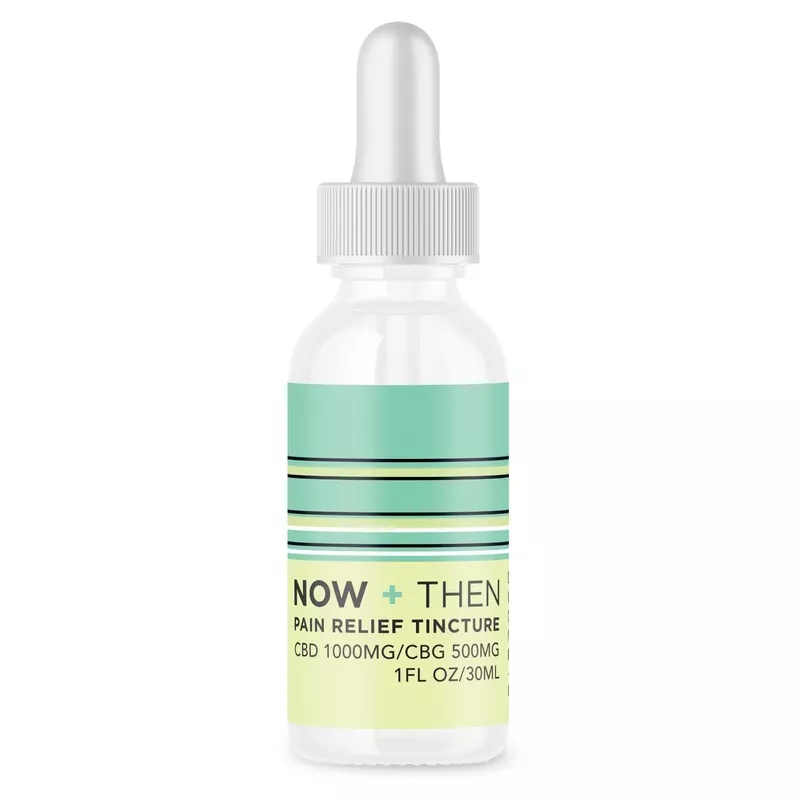
The CBD:CBG 2:1 Ratio Tincture by NOW+THEN offers a balanced blend of 1000mg CBD and 500mg CBG, providing a potent wellness boost and optimal pain management. This formulation combines the soothing properties of CBD with the pain-relieving effects of CBG, making it perfect for those with an active lifestyle, moderate aches and pains, and specific conditions.
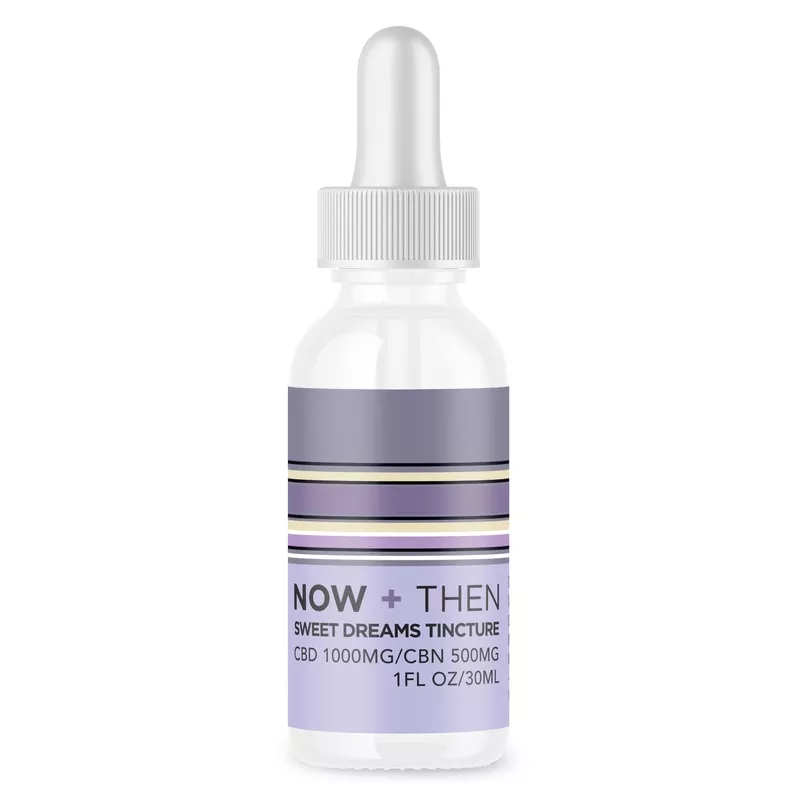
The CBD:CBN 2:1 Ratio Tincture by NOW+THEN offers a calming blend of 1000mg CBD and 500mg CBN, crafted to support restful sleep and relaxation. This formulation combines the soothing properties of CBD with the sleep-enhancing effects of CBN, making it ideal for those seeking a natural sleep aid and nighttime relief.
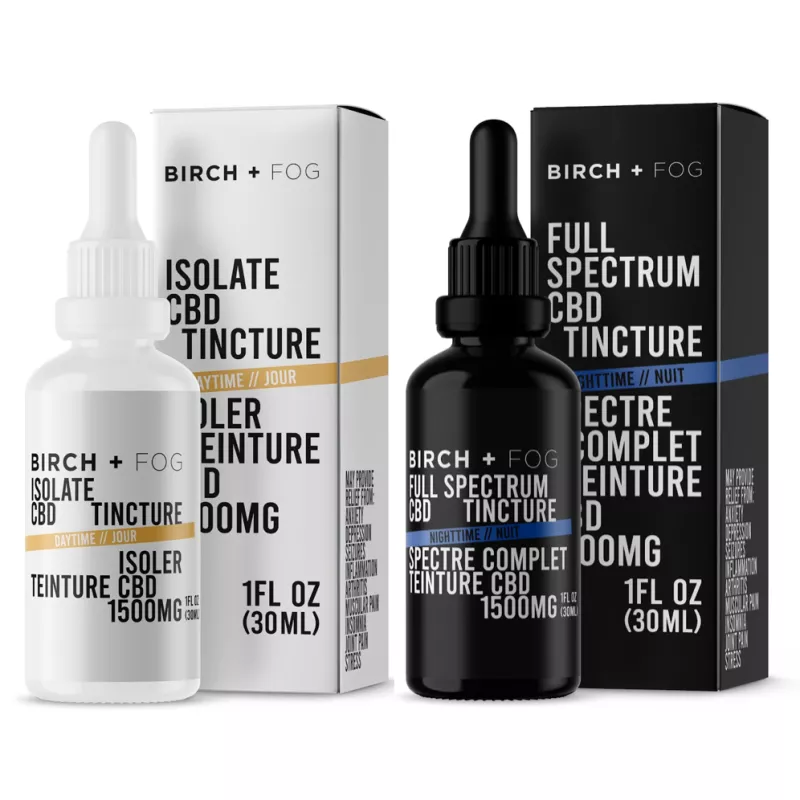
Enhance your daily routine with BIRCH+FOG’s 1500mg CBD Tincture Duo. This combination of Isolate + Full Spectrum CBD Oil Tinctures is designed for total wellness, easing anxiety and stress by day, while aiding with pain and improving sleep quality at night. Perfect for experienced users, these tinctures offer adjustable dosing and are convenient to use, promoting mental calm and focus, while enhancing relaxation and overall sleep quality.
This 1:1 ratio THC and CBD tincture simplifies dosing to enhance sleep, mood, and pain relief through their combined effects. Made with 100% vegan ingredients, it balances THC and CBD synergistically to provide a holistic approach to wellness.
This 10:1 ratio CBD-rich tincture is designed to harness the therapeutic effects of CBD, complemented by the subtle benefits of THC. Made with 100% vegan ingredients, it maximizes CBD’s natural benefits while providing a slight THC boost to optimize holistic properties.
This curated selection of tinctures from NOW+THEN and BIRCH+FOG offers a diverse range of wellness solutions tailored to meet various needs. The NOW+THEN CBD:CBG 2:1 Ratio Tincture combines 1000mg of CBD with 500mg of CBG, providing a potent blend for optimal pain management and overall wellness. For those seeking relaxation and improved sleep, the NOW+THEN CBD:CBN 2:1 Ratio Tincture offers a calming mix of 1000mg CBD and 500mg CBN. BIRCH+FOG’s Day + Night CBD Tincture Duo, with 1500mg of CBD, is designed to enhance daily routines by easing anxiety and stress during the day and promoting relaxation at night. The NOW+THEN THC:CBD 1:1 Ratio Vegan Tincture offers a balanced approach to enhance sleep, mood, and pain relief, using 100% vegan ingredients. Lastly, the NOW+THEN CBD:THC 10:1 Ratio Vegan Tincture focuses on maximizing the therapeutic effects of CBD, with a subtle complement of THC, also made with vegan ingredients. Each product is crafted to provide specific benefits, ensuring a comprehensive approach to personal wellness.

