
×
Remove product
Remove item from cart?

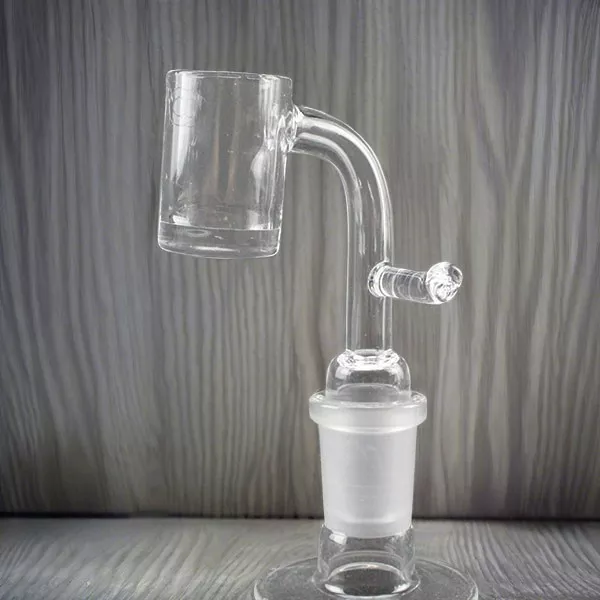
The nail represents the critical heating element in concentrate consumption devices, serving as the surface upon which cannabis extracts are vaporized and transforming the dabbing experience from crude hot-knife techniques to precision temperature-controlled consumption methods that preserve terpene profiles and optimize cannabinoid delivery. Originally adapted from industrial titanium nails used in construction, early dabbing pioneers recognized that these heat-retentive surfaces could efficiently vaporize cannabis concentrates when heated with butane torches, launching an evolution in consumption technology that continues to revolutionize how patients and consumers utilize cannabis extracts. Modern nail technology encompasses diverse materials, designs, and heating methods ranging from traditional titanium and quartz bangers to electronically controlled ceramic and silicon carbide surfaces, each offering distinct advantages for flavor preservation, heat retention, and ease of use.
The fundamental physics of nail-based vaporization involves rapid heat transfer from the nail surface to concentrated cannabis extracts, causing instantaneous phase transition from solid or viscous liquid to vapor while ideally avoiding combustion temperatures that degrade cannabinoids and produce harmful byproducts. This process requires precise temperature control within narrow windows, as temperatures below 315°F may fail to fully vaporize cannabinoids while temperatures exceeding 600°F risk combustion and terpene destruction, creating harsh, less effective vapor. The development of temperature-indicating technologies, electronic nail controllers, and heat-retentive designs reflects ongoing efforts to optimize this critical temperature window for maximum therapeutic benefit and consumer satisfaction.
Contemporary nail selection involves complex considerations balancing material properties, usage patterns, aesthetic preferences, and budget constraints, with the market offering options ranging from $20 borosilicate glass bangers to $500 custom-fabricated silicon carbide inserts designed for optimal heat distribution. Understanding the thermal dynamics, material science, and practical applications of different nail types empowers consumers to select appropriate equipment for their specific needs while avoiding common pitfalls that compromise safety or effectiveness. The evolution from simple titanium nails to sophisticated temperature-controlled surfaces mirrors broader cannabis industry progression from underground improvisation to scientifically-informed consumption methods prioritizing health, efficiency, and experience quality.
Titanium nails pioneered modern dabbing culture due to medical-grade titanium’s exceptional durability, heat retention, and resistance to thermal shock that enables repeated torch heating without cracking or degradation common in glass alternatives. Grade 2 titanium dominates quality nail manufacturing, offering optimal balance between machinability, corrosion resistance, and thermal properties while avoiding potential off-gassing concerns associated with lower grades containing aluminum or vanadium. The material’s high thermal mass provides extended heat retention enabling multiple dabs from single heating cycles, though this same property can lead to overheating and combustion without careful temperature management. Surface oxidation creates characteristic color changes from silver through gold, purple, and blue, providing visual temperature indicators while potentially affecting flavor through minor metallic notes some users find objectionable.
Quartz nail technology emerged as the premium option for flavor-conscious consumers, leveraging fused silica’s chemical inertness and superior flavor neutrality to preserve delicate terpene profiles lost with metallic surfaces. The crystalline structure of high-quality quartz provides excellent thermal shock resistance, enabling rapid heating and cooling cycles without stress fractures that plague borosilicate glass alternatives. Thermal conductivity properties of quartz create unique heating dynamics, with rapid surface temperature changes but limited heat penetration requiring specific techniques for optimal vaporization. The development of specialized quartz designs including bangers, troughs, and thermal reactive chambers demonstrates ongoing innovation optimizing quartz’s unique properties for concentrate consumption.
Ceramic and silicon carbide nails represent advanced material science applications, with ceramic offering exceptional flavor purity and silicon carbide providing optimal thermal properties exceeding both titanium and quartz in efficiency and consistency. Medical-grade aluminum oxide ceramics resist chemical interaction with vaporized compounds while providing moderate heat retention suitable for low-temperature dabbing. Silicon carbide’s extreme hardness, thermal conductivity, and stability create nearly ideal vaporization surfaces, though high manufacturing costs limit widespread adoption. Hybrid designs combining multiple materials, such as titanium bodies with quartz or ceramic inserts, attempt to optimize benefits while minimizing individual material limitations.
Thermal mass considerations fundamentally determine nail performance characteristics, with material density, specific heat capacity, and geometry interacting to create distinct heating and cooling curves affecting user experience and vaporization efficiency. High thermal mass materials like titanium maintain temperature longer but require extended heating times and careful timing to avoid overheating, while low thermal mass quartz heats rapidly but cools quickly, demanding precise technique for consistent results. The relationship between nail thickness and thermal performance creates design trade-offs, as thicker nails retain heat longer but may create uneven temperature gradients, while thin nails provide rapid response but limited heat capacity for larger doses.
Heat distribution patterns within nail structures significantly impact vaporization consistency, with optimal designs promoting even temperature across the entire dabbing surface to prevent hot spots causing combustion or cold zones leaving residue. Advanced nail geometries incorporate features like directional air flow channels, double-wall construction for thermal isolation, and specialized surface textures promoting concentrate spread and heat transfer. Computational fluid dynamics modeling and thermal imaging studies reveal complex convection patterns affecting vapor production, leading to innovations like cyclonic flow chambers and optimized bucket depths for specific concentrate consistencies.
Temperature measurement and control technologies transform dabbing from guesswork to precision science, with options ranging from temperature-indicating paints and infrared thermometers to sophisticated electronic nail controllers maintaining exact temperatures indefinitely. Electronic nails eliminate torch requirements while providing consistent, repeatable experiences through PID temperature control and customizable heating profiles for different concentrate types. The development of wireless temperature sensors, smartphone integration, and automated heating cycles represents ongoing technological convergence between traditional dabbing culture and modern connected devices. Understanding optimal temperature ranges for specific cannabinoid and terpene profiles enables users to customize experiences for maximum therapeutic benefit or recreational enjoyment.
Seasoning procedures for new nails establish protective oxide layers, remove manufacturing residues, and optimize surface properties for efficient vaporization and flavor quality throughout the nail’s service life. Traditional titanium seasoning involves repeated heating to red-hot temperatures followed by concentrate application, creating carbon deposits that eventually burn off to reveal properly conditioned surfaces. Quartz nails require gentler seasoning focusing on removing potential manufacturing contaminants through alcohol cleaning and gradual heating cycles avoiding thermal shock. Modern electronic nails often feature self-cleaning cycles that automate seasoning processes, though manual techniques remain important for understanding proper nail maintenance and troubleshooting performance issues.
Temperature timing techniques separate novice dabbers from experienced users, with mastery requiring understanding of specific heat capacity, cooling rates, and visual/tactile temperature indicators unique to each nail material and design. The traditional method of heating nails until glowing then waiting for appropriate cooldown relies on consistent technique and environmental conditions, with timing varying from 10-60 seconds depending on nail mass and material. Low-temperature dabbing advocates promote extended cooldown periods achieving 350-450°F surface temperatures that preserve terpenes while potentially sacrificing complete vaporization. The development of temperature-reading devices and standardized timing charts helps newcomers achieve consistency while building intuitive understanding of optimal dabbing temperatures.
Cleaning and maintenance protocols ensure consistent performance, flavor quality, and nail longevity while preventing potentially harmful residue accumulation that could affect health or create combustion risks. Routine cleaning after each session using cotton swabs and isopropyl alcohol prevents carbon buildup that insulates surfaces and creates uneven heating, while deep cleaning with specialized solutions removes stubborn deposits. Material-specific considerations include avoiding abrasive cleaning on titanium oxide layers, preventing thermal shock in quartz through gradual temperature changes, and using appropriate solvents that won’t damage ceramic glazes. The investment in proper maintenance tools and techniques pays dividends through extended nail life, consistent performance, and optimal flavor preservation.
Historical development of nail technology traces fascinating evolution from repurposed industrial components to purpose-built precision instruments, reflecting broader cannabis industry transformation from underground improvisation to mainstream consumer products. Early adopters in 2010-2012 modified titanium nails intended for construction use, creating crude but functional dabbing surfaces that established basic design principles still relevant today. The rapid iteration through swing-arm designs, domeless nails, and specialized bangers demonstrates community-driven innovation responding to user feedback and emerging concentrate consistencies. Patent filings and trademark disputes throughout the mid-2010s highlight the commercial value recognized in nail innovation as dabbing moved from niche practice to mainstream consumption method.
Current market trends emphasize customization, aesthetic appeal, and technological integration, with consumers increasingly viewing nails as both functional tools and artistic expressions of cannabis culture identity. Collaboration between glass artists and functional designers produces limited edition nails commanding premium prices while pushing boundaries of what’s possible in form and function. The rise of insert technology allows users to optimize favorite nail bodies with interchangeable surfaces tailored to specific concentrates or temperature preferences. Smart nail systems incorporating Bluetooth connectivity, usage tracking, and social sharing features appeal to tech-savvy consumers while potentially providing valuable data for optimizing consumption patterns.
Future innovations in nail technology likely involve advanced materials from aerospace and semiconductor industries, including synthetic diamond coatings, graphene composites, and metamaterials engineered for specific thermal properties. Integration with artificial intelligence could enable nails that automatically adjust temperature based on concentrate consistency detection or user preference learning. Development of safer heating methods including induction, laser, or ultrasonic energy could eliminate open flames while providing more precise control. The convergence of nanotechnology, materials science, and cannabis research promises revolutionary advances in how concentrates are vaporized, potentially making current nail technology obsolete while building upon fundamental principles established by pioneering dabbers.

