
×
Remove product
Remove item from cart?

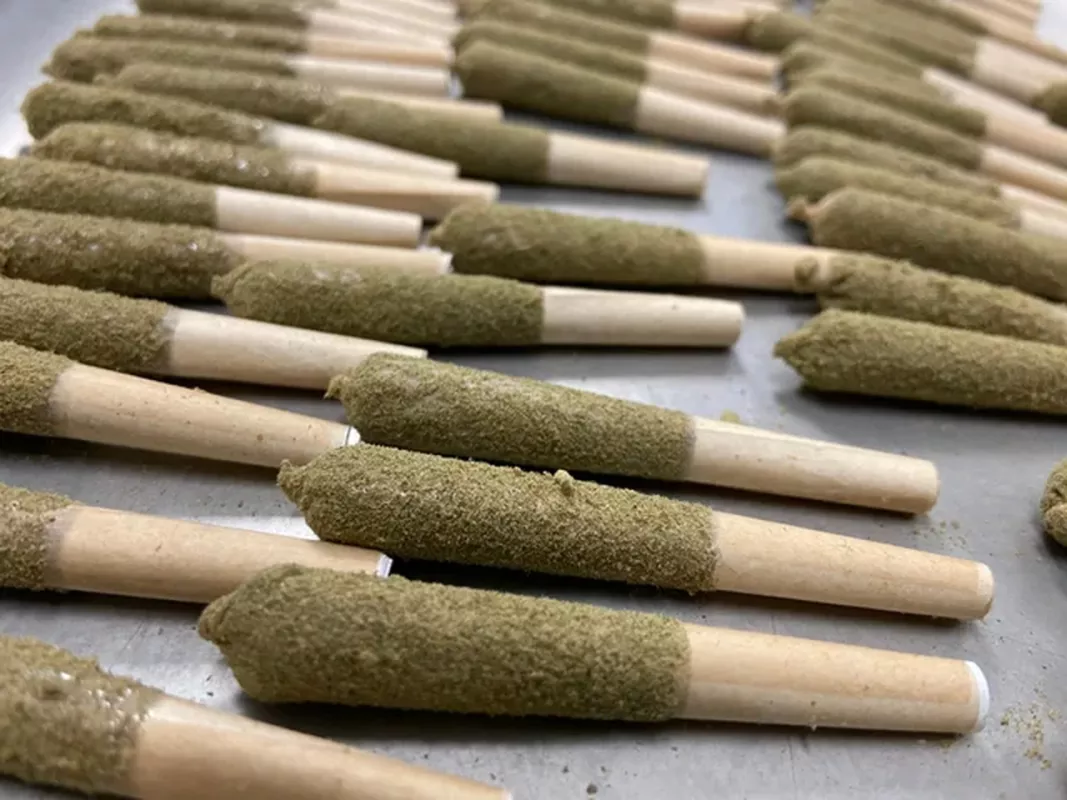
Infused prerolls represent the evolution of traditional joints, combining flower with concentrated cannabis extracts to create potent, flavorful smoking experiences that can exceed 40% THC while delivering enhanced terpene profiles. This product category emerged as cultivators sought ways to utilize smaller buds and shake while meeting consumer demand for stronger, more convenient cannabis products. By incorporating various concentrates like distillate, live resin, rosin, or kief, manufacturers transform ordinary prerolls into premium offerings that command higher prices and deliver unique experiences impossible with flower alone.
The proliferation of infused prerolls reflects broader cannabis market trends toward product innovation, potency enhancement, and consumption convenience. These products bridge the gap between traditional flower consumption and dabbing concentrates, offering the familiar ritual of smoking with the intensity of extracts. Modern infusion techniques range from simple kief dusting to complex multi-component constructions featuring different extracts layered inside and outside the joint, creating diverse effects and flavor profiles that appeal to both recreational users seeking intensity and medical patients requiring higher doses.
Understanding infused prerolls requires examining production methods, quality considerations, safety concerns, and market positioning of these increasingly popular products. From craft single-strain creations to mass-produced multi-packs, infused prerolls demonstrate how cannabis manufacturers add value to flower products while meeting evolving consumer preferences for potency, convenience, and novel experiences in an competitive marketplace.
Manufacturing techniques for infused prerolls vary dramatically based on scale, target market, and desired effects, requiring careful balance between potency enhancement and smokability. Core flower selection typically uses smaller buds, shake, or trim that might otherwise become extraction material, ground to consistent particle sizes ensuring even burning. Concentrate application methods include injection systems using heated distillate syringes for internal distribution, spray systems atomizing liquid concentrates onto flower, and tumbling techniques coating ground flower with powdered concentrates. Paper preparation may involve painting concentrate strips inside rolling papers or creating concentrate-infused papers. Rolling processes range from hand-rolling craft products to automated cone-filling machines handling thousands of units hourly. Concentrate distribution must ensure even coverage preventing hot spots that cause harsh hits or running. Quality control includes weight verification, visual inspection for consistency, and burn testing. Environmental controls prevent concentrate separation or crystallization during production. These technical considerations determine product consistency and consumer experience.
Infusion material selection dramatically impacts final product characteristics, effects, and market positioning of prerolls. Distillate offers highest potency and consistency but lacks strain-specific characteristics unless terpenes are reintroduced. Live resin preserves natural terpene profiles providing full-spectrum effects commanding premium prices. Rosin appeals to solventless markets though application challenges exist due to consistency. Kief represents traditional enhancement method offering increased potency while maintaining flower characteristics. Hash oil varies in quality affecting flavor and smoothness of smoke. Terpene additions whether cannabis-derived or botanical influence flavor and potential effects. THCA crystals provide extreme potency but require careful distribution to prevent harsh spots. CBD concentrates create balanced ratio products appealing to wellness markets. Novel cannabinoids like delta-8 or THC-O enter gray market products. Combination approaches layer multiple concentrates creating complex effect profiles. These material choices fundamentally determine product positioning and consumer appeal.
Quality control challenges in infused preroll production exceed those of standard prerolls requiring sophisticated approaches. Potency consistency across batches demands precise dosing equipment and thorough mixing protocols. Within-joint uniformity prevents consumer experiences varying from hit to hit. Moisture content optimization balances smokability with concentrate adhesion properties. Burn rate testing ensures even combustion without running or canoeing despite concentrate presence. Stability testing monitors concentrate migration or separation during storage. Contamination risks increase with additional handling requiring strict sanitation protocols. Testing requirements often exceed flower-only products due to concentrate components. Batch tracking becomes complex with multiple input materials requiring reconciliation. Visual standards must account for concentrate-altered appearance while ensuring aesthetic appeal. Package integrity prevents concentrate leakage or drying during shelf life. These quality measures protect brand reputation in competitive markets.
Market segmentation of infused prerolls creates distinct categories targeting different consumer preferences and price points. Entry-level products use distillate and shake targeting price-conscious consumers seeking potency over flavor. Premium offerings feature live resin or rosin with high-quality flower appealing to connoisseurs. Multi-strain blends create unique effect profiles unavailable in single-strain products. Ratio products balancing THC:CBD serve medical and wellness markets. Flavored options using botanical terpenes attract consumers preferring familiar tastes over cannabis flavors. Mini prerolls offer portion control and sampling opportunities. King-size options target group consumption or heavy users. Limited editions featuring rare strains or collaborations command collector interest. Organic or sun-grown focused products appeal to sustainability-conscious consumers. Celebrity and brand partnerships leverage marketing power for premium positioning. These diverse categories enable manufacturers to capture various market segments with differentiated offerings.
Innovation in infused preroll design pushes boundaries of traditional joint construction creating novel consumption experiences. Twax joints feature concentrate spirals on paper exteriors creating visual appeal and progressive potency. Cannagar-style products compress flower around concentrate cores for extended burn times. Multi-chamber designs separate different strains or ratios within single prerolls. Time-release constructions layer materials burning at different rates for evolving effects. Filter innovations including activated carbon or cooling chambers improve smoke quality. Specialty papers infused with terpenes or made from alternative materials differentiate products. Geometric cross-sections beyond circular create unique burn characteristics. Artistic applications transform prerolls into displayable objects before consumption. Functional additives like CBD or CBG modify effects profiles. Biodegradable components appeal to environmental consciousness. These innovations demonstrate category evolution beyond simple potency enhancement.
Specialty applications for infused prerolls extend beyond recreational use into medical and wellness markets. High-CBD ratios provide anti-inflammatory effects with minimal psychoactivity. Sleep formulations combine sedating cannabinoids and terpenes. Energy blends feature uplifting profiles for daytime use. Pain management products maximize analgesic cannabinoids and terpenes. Anxiety-focused ratios balance effects preventing paranoia. Microdose options use precise infusion for sub-perceptual effects. Recovery products target athletes with anti-inflammatory profiles. Creative enhancement blends stimulate without sedation. Social products balance effects preventing overconsumption in group settings. Therapeutic protocols specify timing and dosage for condition management. These specialized applications expand infused prerolls beyond recreational intoxication into targeted therapeutic tools.
Safety concerns specific to infused prerolls require heightened attention given increased potency and processing complexity. Contamination risks multiply with each additional ingredient requiring comprehensive testing. Pesticide concentrations can amplify during extraction necessitating clean source materials. Residual solvents from concentrate production must fall below safety thresholds. Heavy metals from processing equipment or contaminated inputs pose health risks. Microbial contamination risks increase with additional handling and moisture introduction. Adulterants including synthetic cannabinoids appear in illicit market products. Potency misrepresentation through lab shopping or calculation errors endangers consumers. Manufacturing in unregulated environments lacks safety oversight. Cross-contamination between products during shared equipment use spreads allergens. Employee safety during production requires protection from concentrated cannabinoid exposure. These safety considerations demand rigorous protocols protecting consumers and workers.
Consumer education needs for infused prerolls exceed traditional cannabis products given potency and complexity. Dosing guidance must emphasize starting low with high-potency products. Effect onset and duration differ from flower-only consumption patterns. Tolerance considerations warn regular flower users about concentrate potency. Storage requirements prevent degradation and child access. Consumption methods like smaller hits reduce overwhelming experiences. Drug interactions intensify with concentrated doses requiring medical consultation. Recognition of overconsumption symptoms and response strategies. Quality indicators helping identify safe, tested products. Price-value relationships explaining premium costs for quality inputs. Environmental factors affecting experience like setting and companionship. These educational elements ensure safe, enjoyable experiences while building brand trust.
Testing and compliance requirements for infused prerolls often exceed standard flower products reflecting complexity. Multi-component testing tracks each input material plus final product. Homogeneity testing ensures consistent distribution throughout products. Potency calculations must account for all cannabinoid sources accurately. Label claims require verification of both flower and concentrate components. Child-resistant packaging prevents access while maintaining product integrity. Track-and-trace systems monitor complex bill of materials through production. Manufacturing licenses may require additional endorsements for infusion. Standard operating procedures document precise production methods. Recall procedures address multi-SKU impacts from contaminated inputs. Certificate consolidation from various suppliers complicates compliance. These regulatory requirements increase costs but ensure consumer safety in legal markets.
Pricing strategies for infused prerolls reflect input costs, market positioning, and consumer value perception. Premium pricing 2-4x flower-only prerolls reflects concentrate costs and manufacturing complexity. Value positioning uses lower-quality inputs maintaining margins while offering potency. Bulk packaging reduces per-unit costs appealing to regular consumers. Limited editions command scarcity premiums for unique offerings. Subscription models ensure recurring revenue with variety packs. Bundle deals combine infused with standard prerolls introducing hesitant consumers. Promotional pricing drives trial for new product launches. Tiered options within brands capture different price sensitivities. Direct-to-consumer models eliminate distributor markups improving margins. Volume discounts incentivize larger purchases increasing basket sizes. These pricing approaches balance profitability with competitive pressures in maturing markets.
Distribution channels for infused prerolls adapt to product characteristics and regulatory requirements. Dispensary placement in premium display cases highlights visual appeal. Budtender education programs ensure informed recommendations driving sales. Delivery services appreciate portable, discrete products for customer convenience. Consumption lounges feature infused prerolls as premium offerings. Brand-owned retail provides full margin capture and experience control. Pop-up events create exclusive access building brand loyalty. Subscription boxes curate selections introducing variety. Gift sets position infused prerolls for special occasions. Tourist-focused retail emphasizes convenience and experience. Medical dispensaries require education on therapeutic applications. These channels reflect diverse consumer access preferences and regulatory frameworks.
Consumer trends driving infused preroll growth reveal evolving cannabis consumption patterns. Potency escalation reflects tolerance building and experience seeking. Flavor exploration drives terpene-focused products and botanical additions. Convenience preference favors ready-to-consume formats over preparation. Social consumption normalizes sharing premium products. Wellness integration brings CBD and minor cannabinoid infusions. Sustainability concerns drive organic and eco-friendly options. Local preferences for regional strains and producers. Generation differences with younger consumers embracing potency. Medical migration from pharmaceutical options to cannabis alternatives. Experience economy values unique, shareable moments over commodity products. These trends guide product development and marketing strategies in competitive markets.

