
×
Remove product
Remove item from cart?

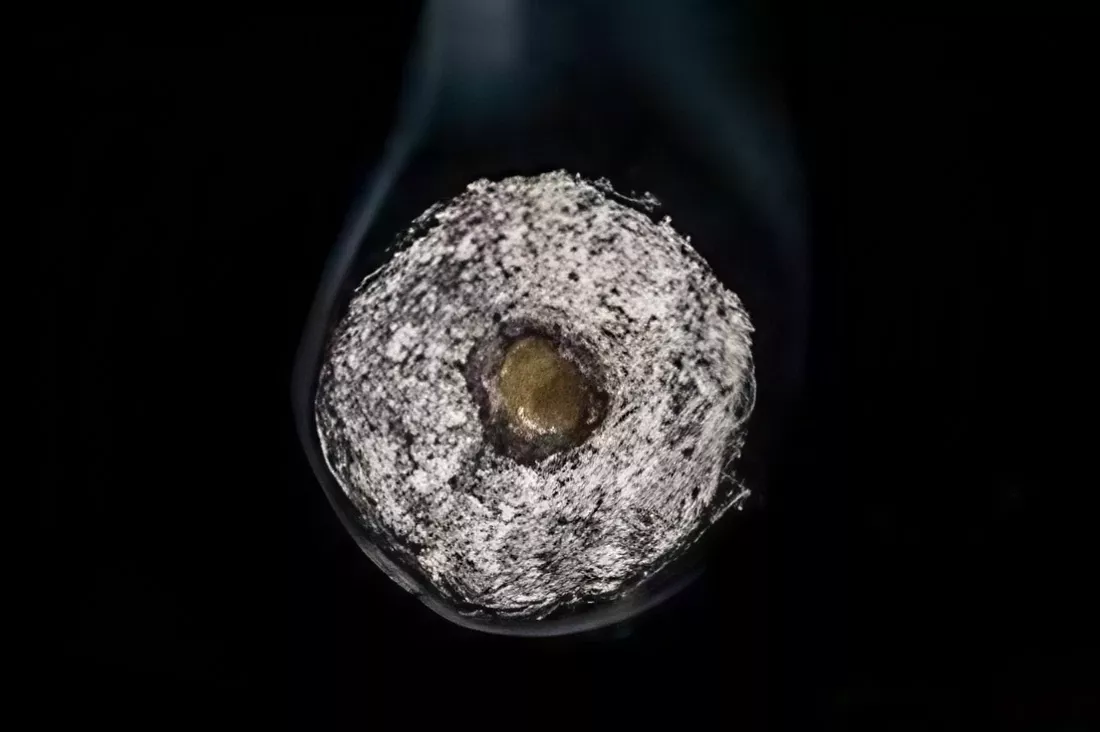
Hash holes represent an innovative cannabis consumption method combining traditional flower with concentrated hash in a unique structural arrangement that creates an enhanced smoking experience through synergistic combustion. This technique involves creating a central channel of hash or rosin within a joint or blunt, surrounded by ground flower, producing a slow-burning core that continuously melts and vaporizes throughout the session. The name derives from the visible hole created when looking down the end of the prepared joint, where the hash core appears as a dark center within the lighter flower ring. This consumption method emerged from cannabis connoisseur culture seeking ways to combine multiple product forms for enhanced effects and extended smoking sessions.
The evolution of hash holes from experimental technique to commercial product category demonstrates cannabis culture’s constant innovation in consumption methods and experience optimization. Early adopters in California’s medical cannabis scene pioneered the technique using traditional hash, discovering that proper construction created self-feeding combustion where melting hash would continuously coat fresh flower. The introduction of rosin and other modern concentrates expanded possibilities, with different consistencies creating varying burn characteristics and flavor profiles. Social media proliferation of hash hole content, particularly time-lapse videos showing the mesmerizing burn patterns, drove mainstream awareness and demand. Commercial producers recognized the market opportunity, leading to pre-rolled hash holes becoming premium offerings in dispensaries.
Market positioning of hash holes occupies the ultra-premium segment of pre-rolled products, with prices often exceeding $50-100 per joint reflecting the labor intensity and material costs of quality construction. These products appeal to experienced consumers seeking special occasion consumption options that justify premium pricing through unique experiences. The combination of high-quality flower and concentrate in single products creates value propositions beyond simple material addition, as proper construction technique significantly impacts performance. Limited edition hash holes featuring rare strains or collaboration products command collector prices similar to luxury goods. This category’s success demonstrates cannabis market maturation where craftsmanship and experience design justify luxury pricing tiers previously unimaginable in cannabis retail.
Material selection for hash holes requires careful consideration of how different concentrate consistencies interact with flower during combustion, affecting burn rate and flavor delivery. Stable hash or rosin with minimal residual moisture works best for the core, as excessive oils can oversaturate surrounding flower causing uneven burning or extinguishing. The flower ring requires medium-density grinding to allow airflow while supporting the central concentrate column throughout combustion. Ratios typically range from 0.3-0.5 grams of concentrate to 1-2 grams of flower, though preferences vary based on tolerance and desired intensity. Paper selection matters significantly, with hemp papers providing neutral flavor while tobacco leaves in blunts add complexity but may overpower delicate terpene profiles. Some craftsmen layer different concentrate consistencies creating graduated melting effects as the burn progresses.
Assembly methodology for hash holes demands precision and patience, with successful construction differentiating amateur attempts from professional products. The process begins by creating a stable flower base in the paper or wrap, leaving a central channel approximately 5-8mm in diameter. Rolling the concentrate into a uniform snake shape requires warming to achieve malleability without liquefying, often using body heat or gentle warming devices. Placing the concentrate core requires steady hands and often specialized tools to maintain position while adding surrounding flower. The packing density must balance structural integrity with airflow requirements, as over-packing prevents proper combustion while under-packing causes collapse. Final shaping ensures uniform diameter preventing runs or canoeing during smoking. Master rollers develop signature techniques creating consistent products commanding premium prices.
Quality control factors determining hash hole success extend beyond simple construction to understanding combustion dynamics and thermal management throughout the smoking experience. The concentrate core must maintain continuous contact with combusting flower to sustain melting and vaporization without pooling or dripping. Air channel management through strategic paper perforation or specialized filters prevents oil accumulation blocking airflow. Temperature differentials between the burning flower edge and melting concentrate center create convection currents enhancing flavor delivery. Moisture content synchronization between flower and concentrate prevents differential burn rates causing structural failure. Professional producers test burn characteristics extensively, adjusting construction parameters for different concentrate types. These technical considerations elevate hash hole creation from simple assembly to combustion engineering.
Sensory progression during hash hole consumption creates unique experiences distinguished from standard joints or pure concentrate dabbing through extended flavor evolution and effect onset. Initial draws deliver primarily flower terpenes as the outer layer ignites, with subtle concentrate notes emerging as heat penetrates toward the core. Mid-session experiences intensify as the hash core fully liquefies, creating rich, coating smoke combining flower combustion with concentrate vaporization. The final third often provides the most intense effects as accumulated oils concentrate in the remaining flower, creating powerful concluding draws. Visual elements enhance the experience, with glowing hash cores visible through translucent rolling papers creating aesthetic appeal. The extended 15-30 minute sessions contrast with rapid dabbing consumption, allowing social sharing and gradual effect building preferred by many consumers.
Effect profiles from hash holes demonstrate synergistic enhancement beyond simple addition of flower and concentrate potencies through unique consumption kinetics. The gradual concentrate release creates sustained peak effects lasting longer than equivalent amounts consumed separately. Terpene interactions between flower and concentrate create entourage effects potentially absent when consuming products individually. The combination of combustion and vaporization temperatures activates different cannabinoid profiles than single-temperature consumption methods. Slower onset compared to dabbing allows better effect titration for less experienced concentrate users. The social consumption aspect often enhances subjective effects through shared experience and extended session timing. Medical users report effective symptom management from the sustained release profile, particularly for conditions requiring extended relief.
Optimization strategies for hash hole experiences involve understanding personal preferences and tolerance levels to customize construction parameters. Concentrate selection dramatically impacts experiences, with live resins providing intense terpene expressions while traditional hash offers earthier, more grounded effects. Flower pairing requires considering complementary or contrasting terpene profiles creating desired flavor journeys. Session timing affects perception, with morning consumption highlighting energetic aspects while evening use emphasizes sedative qualities. Environmental factors including setting and company influence subjective experiences of these premium products. Tolerance management becomes important as regular hash hole consumption can rapidly increase concentrate tolerance affecting standard consumption methods. These optimization considerations help consumers maximize value from premium-priced products.
Manufacturing scalability challenges for commercial hash hole production require balancing handcraft quality with production efficiency to meet growing demand. Automated rolling machines struggle with the precise concentrate placement required for proper hash hole construction, necessitating skilled hand-rolling labor. Training programs developing consistent rolling techniques across production staff require significant investment in human resources. Quality variations between individual rollers create standardization challenges affecting brand consistency. Production bottlenecks occur at the concentrate preparation stage, where achieving uniform consistency for hundreds of units demands precise temperature control. Packaging innovations protecting delicate constructions during transport and storage add complexity and cost. These scalability challenges explain premium pricing while limiting market availability compared to standard pre-rolls.
Supply chain coordination for hash hole production requires vertical integration or close partnerships ensuring synchronized quality between flower and concentrate components. Timing harvest and processing schedules to provide fresh materials for production batches challenges traditional sequential workflows. Concentrate producers must adjust consistency specifications meeting hash hole requirements rather than standard dabbing parameters. Flower selection prioritizes structural characteristics supporting concentrate cores over standalone smoking qualities. Inventory management complexities multiply when tracking multiple SKUs of paired products awaiting assembly. Cold chain maintenance preserves concentrate integrity throughout storage and assembly processes. These coordination requirements favor vertically integrated operations or established partnership networks over open market sourcing.
Regulatory compliance for hash holes navigates complex frameworks as combination products potentially triggering different rules than individual components. Potency calculation methods vary between jurisdictions, with some requiring aggregate THC reporting while others separate flower and concentrate portions. Labeling space limitations challenge compliance when listing multiple product components with individual test results. Child-resistant packaging designed for delicate hash hole structures increases costs and environmental impact. Some jurisdictions limit concentrate percentages in combined products, restricting hash hole formulations. Track-and-trace systems require sophisticated inventory management linking source materials through finished products. These regulatory complexities add operational overhead explaining partial premium pricing beyond simple material costs.
Social media influence on hash hole popularity demonstrates how visual platform algorithms favor engaging content driving cannabis consumption trends. Time-lapse videos showing hash holes burning create mesmerizing content garnering millions of views across platforms. Influencer culture emerged around hash hole craftsmanship, with skilled rollers building followings showcasing techniques and products. The photogenic nature of well-constructed hash holes creates shareable moments driving organic marketing. Platform restrictions on cannabis content paradoxically increase engagement as users seek creative ways to showcase products within guidelines. Viral hash hole content introduced techniques to global audiences faster than traditional cannabis knowledge transfer. This social media amplification transformed niche techniques into mainstream demand driving commercial market development.
Craftsmanship appreciation within hash hole culture parallels artisanal movements in food and beverages where process mastery commands premium recognition. Master rollers achieve celebrity status within cannabis communities, with signature styles recognizable to aficionados. Collaboration products between renowned cultivators, hash makers, and rollers create collectible releases. The visible skill required for quality construction generates respect for labor intensity justifying premium pricing. Educational content teaching hash hole techniques builds community knowledge while establishing expertise hierarchies. Competition events judging hash hole construction and burn quality formalize skill recognition. This craftsmanship focus elevates cannabis consumption beyond simple intoxication toward experiential appreciation.
Cultural evolution of hash holes from underground innovation to mainstream luxury product illustrates broader cannabis market maturation and diversification. Early adoption by California medical patients seeking maximum effects from limited plant counts drove initial experimentation. Hip-hop culture embraced hash holes as displays of affluence and cannabis connoisseurship, spreading awareness through music and lifestyle content. The technique’s adoption by luxury cannabis brands legitimized premium pricing establishing new market categories. International spread through social media created global demand despite varying legal statuses. Future evolution may see hash holes inspiring new combination products or consumption methods. This trajectory from necessity-driven innovation to luxury lifestyle product demonstrates cannabis culture’s dynamic evolution.

