
×
Remove product
Remove item from cart?

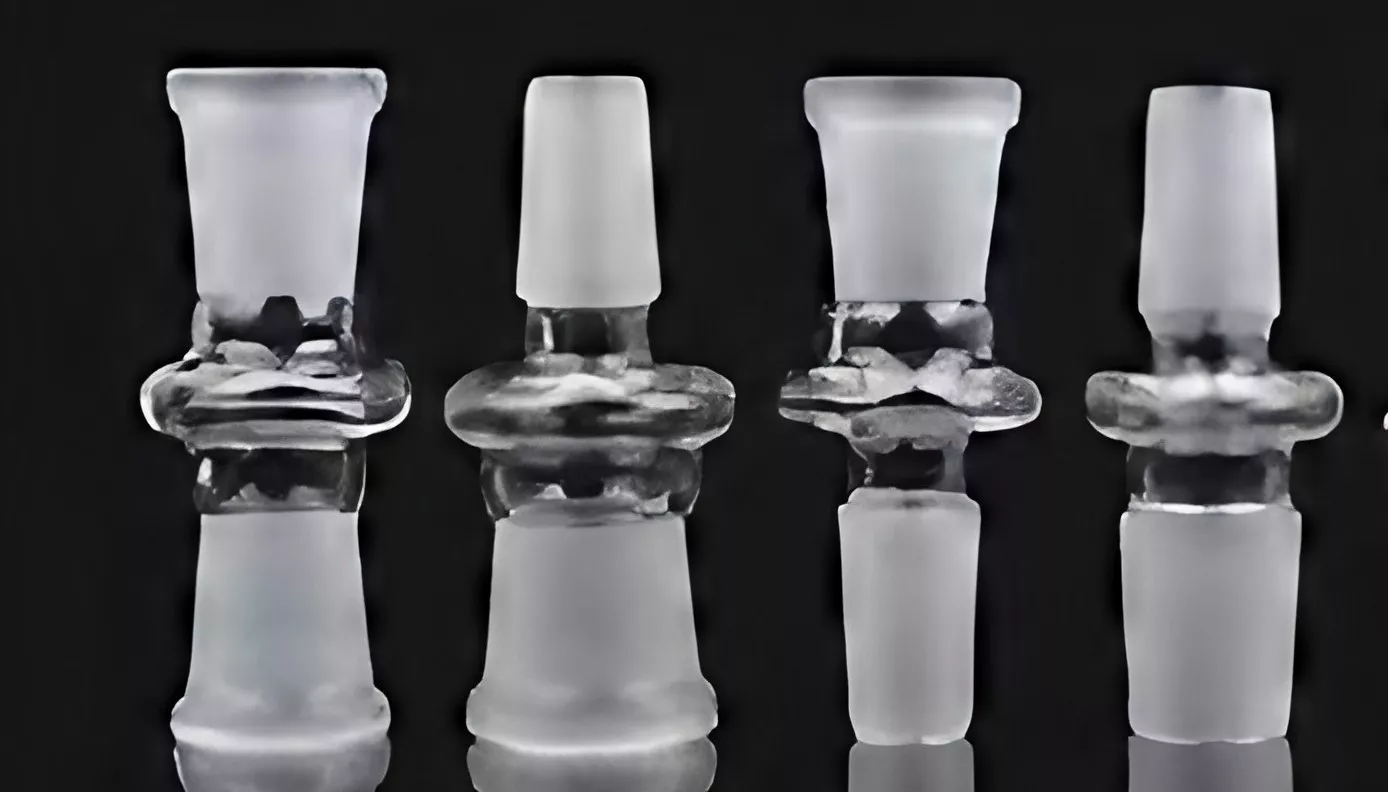
Adapters represent the unsung heroes of cannabis consumption technology, serving as critical connectors that bridge incompatible components and expand functionality across diverse smoking and vaporization systems. These precision-engineered accessories transform limitations into possibilities, allowing consumers to mix and match their favorite pieces regardless of original design constraints. From simple gender changers enabling male-to-female joint connections to complex multi-functional units incorporating ash catchers and percolators, adapters embody the cannabis community’s innovative spirit and commitment to customization.
The technical elegance of adapters lies in their ability to solve multiple problems simultaneously—mechanical connection, airflow optimization, thermal management, and aesthetic integration—while maintaining the delicate balance required for optimal consumption experiences. Quality adapters must withstand repeated thermal cycling, resist chemical degradation from cleaning solutions, and maintain precise tolerances that ensure airtight seals without excessive force. This engineering challenge has driven innovations in materials science, manufacturing techniques, and design philosophy within the cannabis accessories industry.
Market evolution of adapters reflects broader trends in cannabis consumption toward personalization, sustainability, and technical sophistication. As consumers invest in high-quality glass pieces and electronic vaporizers, adapters enable system expansion without complete replacement, supporting both economic and environmental sustainability. The adapter ecosystem demonstrates how seemingly simple accessories can profoundly impact user experience, creating opportunities for creativity while solving practical challenges that would otherwise fragment the consumption landscape.
Joint size adapters address the fundamental compatibility challenge in glass pieces, converting between standard sizes of 10mm, 14mm, and 18mm (also called 19mm). Reduction adapters allow larger pieces to accommodate smaller accessories, essential when premium bangers only come in specific sizes. Expansion adapters enable small joints to accept larger accessories, though airflow considerations limit practical applications. Gender adapters convert between male and female joints, solving compatibility issues when components have matching genders. These basic adapters form the foundation of any serious glass collection.
Angle adapters introduce directional changes that improve ergonomics and functionality. 45-degree adapters redirect airflow for more comfortable positioning during use. 90-degree adapters transform vertical joints to horizontal orientation, enabling different consumption positions. Curved adapters create smooth transitions while adding aesthetic appeal. Drop-down adapters move heat sources away from pieces, protecting glass and users from excessive temperatures. These angular modifications demonstrate how adapters improve both function and user experience.
Multi-functional adapters combine connection compatibility with additional features, maximizing value and minimizing joint stack height. Ash catcher adapters trap debris while converting sizes, protecting pieces from contamination. Percolator adapters add water filtration during size conversion. Reclaim catchers collect concentrate runoff while adapting connections. Valve adapters enable airflow control during size changes. These combination units exemplify efficient design, solving multiple needs within single components.
Borosilicate glass dominates quality adapter construction due to its thermal shock resistance and chemical inertness. Scientific-grade borosilicate withstands rapid temperature changes from torch heating to water cooling without cracking. The material’s low thermal expansion coefficient ensures joint connections remain stable across temperature ranges. Clear glass allows visual inspection of airflow and cleanliness. Colored borosilicate adds aesthetic options while maintaining performance. Manufacturing quality varies significantly, with precision-ground joints ensuring optimal fit.
Quartz adapters serve specialized high-temperature applications, particularly in concentrate consumption. Superior thermal properties allow direct torch contact without degradation. Optical clarity exceeds glass for aesthetic applications. Higher cost limits widespread adoption to premium applications. Thermal expansion differences from borosilicate require careful consideration in mixed-material systems. Ultrasonic cleaning compatibility preserves pristine appearance. These premium adapters demonstrate market segmentation based on performance requirements.
Alternative materials address specific needs within niche applications. Titanium adapters offer ultimate durability for portable use. Ceramic provides flavor neutrality for purist applications. Silicone enables flexible connections and break resistance. Carbon fiber composites combine light weight with strength. Each material brings trade-offs between performance, cost, and compatibility. Understanding material properties guides appropriate selection for specific use cases.
Thread adapters bridge the gap between cannabis-specific glass joints and standard threading systems. Converting glass joints to 510 threads enables use of vaporizer attachments on traditional pieces. NPT (National Pipe Thread) adapters allow industrial fittings integration. Metric thread adapters accommodate international accessories. Custom thread pitches serve proprietary systems. These threading solutions demonstrate cannabis culture’s intersection with broader manufacturing standards.
Electronic device adapters enable integration between analog glass pieces and digital vaporization technology. Whip adapters connect desktop vaporizers to water pieces for cooled vapor. Battery adapters allow portable vaporizer use with traditional glass. Temperature sensor adapters add digital monitoring to analog systems. Power pass-through adapters enable charging during use. These electronic integrations represent convergence of traditional and modern consumption methods.
Universal adapter systems attempt comprehensive compatibility through modular designs. Magnetic connection systems eliminate threading wear while enabling quick changes. Modular kits include multiple sizes and genders for any combination. Telescoping designs adjust length for optimal positioning. Ball-and-socket joints provide angular adjustment. These systems trade some elegance for maximum flexibility, appealing to users prioritizing functionality.
Airflow dynamics through adapters significantly impact consumption quality, requiring careful design consideration. Smooth internal transitions minimize turbulence that can affect flavor and cooling. Proper diameter matching prevents restriction or excessive draw. Strategic chamber volumes can enhance vortex creation for improved cooling. Computational fluid dynamics modeling optimizes advanced designs. Understanding airflow principles distinguishes premium adapters from basic connectors.
Thermal management through adapter design protects both equipment and users from excessive heat. Extended path lengths increase cooling before inhalation. Heat sink fins dissipate temperature from metal adapters. Insulating materials protect joint connections from thermal stress. Strategic air gaps create thermal breaks. These thermal considerations become critical for high-temperature concentrate consumption applications.
Cleaning and maintenance factors influence adapter design and material selection. Removable components facilitate thorough cleaning access. Smooth internal surfaces prevent residue accumulation. Chemical resistance ensures compatibility with cleaning solutions. Ultrasonic cleaning compatibility speeds maintenance. Modular designs allow component replacement. These maintenance considerations affect long-term performance and user satisfaction.
Artisan adapter creation represents the intersection of functional design and artistic expression. Custom color combinations match existing pieces aesthetically. Worked sections add visual interest without compromising function. Collaboration pieces between adapter makers and artists command premium prices. Limited editions create collector markets. Functional art philosophy elevates simple connectors to display-worthy accessories. This artistic evolution parallels broader trends in cannabis glass culture.
Mass production techniques make basic adapters affordable and widely accessible. Automated grinding ensures consistent joint dimensions. Injection molding enables complex internal geometries. Quality control systems verify dimensional accuracy. Economy of scale reduces per-unit costs dramatically. Standardization enables reliable compatibility. These manufacturing advances democratize access to functional adapters.
Market segmentation reflects diverse consumer needs and willingness to pay for enhanced features. Budget adapters serve basic connectivity needs. Mid-range options balance quality with affordability. Premium adapters offer superior materials and construction. Luxury versions incorporate artistic elements. Specialty adapters serve specific technical requirements. This segmentation enables appropriate products for every consumer segment.
Smart adapter technology promises enhanced functionality through electronic integration. Sensors monitor temperature and airflow in real-time. Bluetooth connectivity enables smartphone monitoring. LED indicators provide visual feedback. Automated cleaning cycles simplify maintenance. Data logging tracks usage patterns. These smart features transform passive connectors into active system components.
Sustainable materials development addresses environmental concerns within cannabis culture. Recycled glass reduces raw material consumption. Bio-based plastics offer compostable alternatives. Reclaimed metals provide durability with reduced impact. Modular designs enable component replacement rather than complete disposal. Lifecycle assessment guides material selection. These sustainability initiatives align with cannabis culture’s environmental consciousness.
The future of adapters likely involves increased integration of smart features while maintaining core functionality that makes them indispensable. Advanced materials may enable previously impossible configurations. 3D printing could allow custom adapters for unique applications. Standardization efforts might create new universal connection systems. As cannabis consumption technology continues evolving, adapters will remain crucial enablers of innovation and customization, bridging gaps between legacy equipment and emerging technologies while solving tomorrow’s compatibility challenges that we cannot yet imagine.

